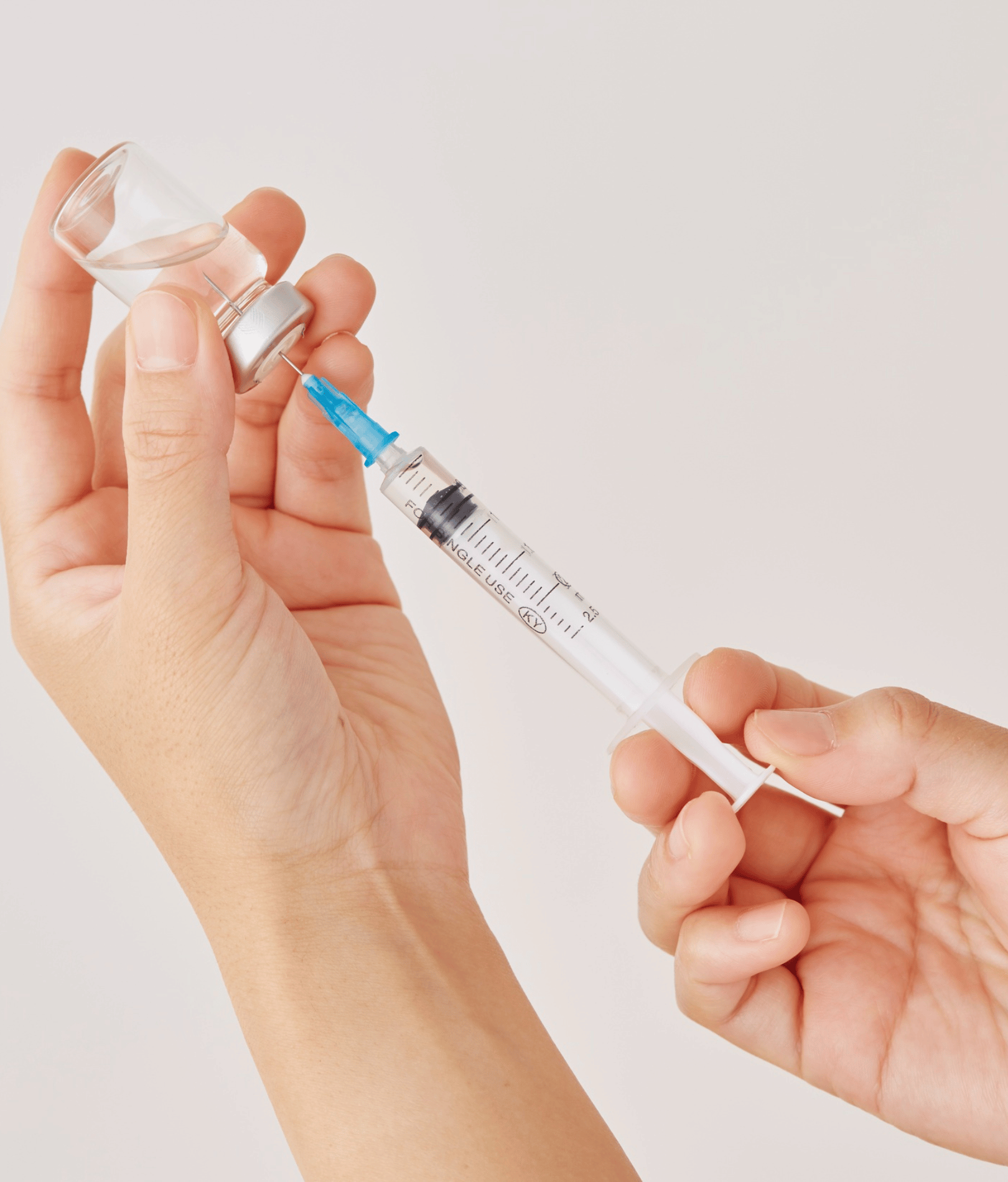
Exosome Hair Therapy in Korea: Advanced Hair Regeneration in Seoul
Exosome hair therapy in Korea is an advanced regenerative treatment that stimulates hair follicles, improves scalp health, and promotes natural hair regrowth. Clinics in Seoul offer cutting-edge, customized programs for thicker, stronger hair with minimal downtime.
🔷
WHAT IS EXOSOME HAIR THERAPY?
Exosome hair therapy is a
next-generation regenerative treatment that uses microscopic vesicles (exosomes) derived from stem cells to stimulate hair growth.
👉 These exosomes deliver growth factors, proteins, and signals that activate hair follicles and repair scalp tissue.
👉 It is considered a non-surgical alternative to traditional hair loss treatments.
🔷 HOW EXOSOME THERAPY WORKS
Exosomes act as “messengers” between cells.
They help:
Activate dormant follicles
Extend the hair growth (anagen) phase
Improve scalp circulation
Reduce inflammation
👉 This encourages follicles to shift from resting → active growth phase, leading to stronger hair.
🔷 WHAT DOES EXOSOME HAIR THERAPY DO?
Key effects:
Stimulates new hair growth
Increases hair density and thickness
Reduces hair shedding
Improves scalp condition
Enhances follicle regeneration
👉 Studies show measurable increases in hair density and thickness after treatment.
🔷 HOW EFFECTIVE IS IT?
Clinical findings suggest:
Hair density improvement within weeks to months
Reduced hair loss progression
High patient satisfaction rates
👉 Some studies report ~11–24% increase in hair density within 6 months.
👉 Improvement can start as early as 4–12 weeks after treatment.
🔷 EXOSOME VS PRP: WHAT’S THE DIFFERENCE?
Exosome therapy → delivers
ready-made growth signals
PRP → uses your own blood-derived growth factors
👉 Exosomes are often considered more potent and longer-lasting, but PRP is more established.
👉 Many clinics combine both for better outcomes.
🔷 WHY EXOSOME HAIR THERAPY IS POPULAR IN KOREA
Korea is leading in regenerative hair treatments.
Key Advantages
Advanced stem cell-derived technologies
Precision injection techniques
Customized scalp diagnostics
Combination therapy protocols
Strong focus on natural regrowth
👉 Korea is at the forefront of innovative hair restoration trends.
🔷 COST OF EXOSOME HAIR THERAPY IN KOREA
Typical pricing:
Exosome therapy: ₩500,000 – ₩2,000,000 per session
Combination programs: ₩1,000,000 – ₩3,000,000+
💡 Often combined with PRP, medication, or scalp therapy.
🔷 TREATMENT PLAN & TIMELINE
Initial phase: 1–3 sessions
Early results: 1–2 months
Visible regrowth: 3–4 months
Full results: 4–6 months
👉 Maintenance may be required every 6–12 months.
🔷 PROCEDURE & RECOVERY
Procedure time: 30–60 minutes
Anesthesia: Mild numbing cream
Downtime: Minimal
Discomfort: Mild (injections)
Return to daily activity: Same day
🔷 WHO IS A GOOD CANDIDATE?
Early to moderate hair thinning
Receding hairline
Stress-related hair loss
Patients seeking non-surgical treatment
Those wanting faster, regenerative results
👉 Advanced baldness may still require hair transplant + exosome combination.
🔷 ADVANTAGES
Stronger regenerative effect than PRP
No need for blood extraction
Non-surgical and minimally invasive
Improves both scalp and hair quality
Can enhance hair transplant results
🔷 LIMITATIONS & CONSIDERATIONS
Not a permanent cure
Results vary by individual
Still an emerging treatment
Requires maintenance
👉 Effects typically last 6–12 months before maintenance is needed.
⚠️ Important: Some products lack standardization—always choose a reputable clinic.
🔷 FAQ
How much does exosome hair therapy cost in Korea?
₩500,000 to ₩3,000,000+ depending on treatment plan.
Is it painful?
Mild discomfort during injections.
How long does it take to see results?
Around 1–3 months.
Is it permanent?
No, maintenance is required.
Is it better than PRP?
Often stronger, but best when combined.
How many sessions are needed?
Usually 1–3 sessions initially.
Is it safe?
Generally safe when performed medically, but still evolving.
Can women get this treatment?
Yes, suitable for both men and women.
Can it be combined with other treatments?
Yes, combination therapy is most effective.
Is it FDA-approved?
Not widely approved yet; considered emerging therapy.