
Psoriasis Management in Seoul: Dermatologist-Led Care Plans
The short answer
Psoriasis management in Seoul is a dermatologist-led plan that controls plaques with topical medicine, phototherapy and, for more extensive disease, systemic or biologic treatment. A consultation typically costs ₩30,000–₩100,000 for foreign patients, and narrowband UVB or excimer laser about ₩30,000–₩150,000 per session. Phototherapy usually needs two to three sessions a week for several weeks.
Key facts
- Condition: chronic immune-mediated skin disease with scaly plaques
- First-line care: topical steroids, vitamin D analogues, moisturisers
- Phototherapy: narrowband UVB or excimer laser, 2–3 times a week
- Systemic options: oral medication or biologics for moderate to severe disease
- Consultation: about ₩30,000–₩100,000 for foreign patients
- Downtime: none
What psoriasis is
Psoriasis is a chronic, immune-mediated condition in which skin cells are produced too quickly. They build up into thick, red or pink plaques covered with silvery scale, most often on the elbows, knees, scalp and lower back, though any area can be affected. It tends to flare and settle over time and can be linked to joint pain (psoriatic arthritis) and other health conditions.
It is not contagious. With the right plan, most people can keep it well controlled.
Common signs
- Well-defined, raised plaques with scale
- Itching, burning or soreness
- Scalp scaling that looks like severe dandruff
- Nail pitting, thickening or lifting
- Joint stiffness or swelling in some people
Read more on our psoriasis condition page.
How dermatologists in Seoul treat psoriasis
| Severity | Typical treatment |
|---|---|
| Mild, limited plaques | Topical steroids, vitamin D creams, emollients |
| Stubborn localised plaques | Excimer laser or targeted phototherapy |
| Widespread disease | Narrowband UVB phototherapy |
| Moderate to severe or with arthritis | Oral systemic drugs or biologic injections |
Topical treatment
Steroid creams and vitamin D analogues remain the foundation for most patients. A dermatologist will choose the right strength for each body area and explain how long to use it.
Phototherapy
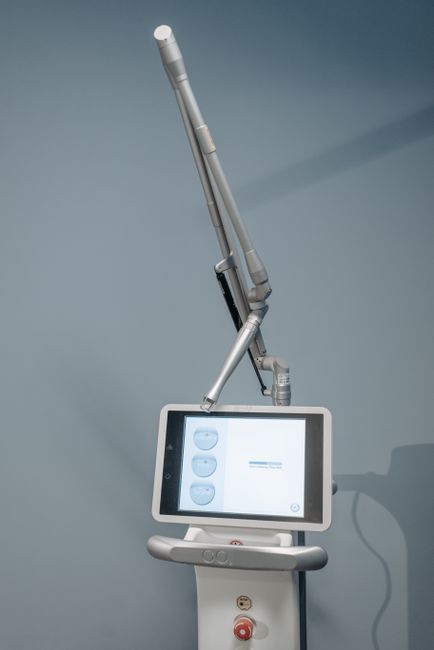
Narrowband UVB slows skin cell growth and calms inflammation. The excimer laser delivers a focused beam to individual plaques, sparing healthy skin. Both require regular sessions, usually two to three times a week for several weeks, which suits patients staying in Seoul for an extended period.
Systemic and biologic therapy
For extensive disease, oral medication or biologics may be considered. These need screening tests and ongoing monitoring, so they are usually best coordinated with your doctor at home. A Seoul dermatologist can still review your plan and offer a second opinion.
Scalp psoriasis
Scalp plaques often respond to medicated shampoos, scale-softening treatments and topical solutions. Some clinics offer in-office scalp scaling. See our scalp scaling page for that service.
Daily care
- Moisturise generously, especially after bathing
- Use lukewarm water and gentle cleansers
- Avoid picking or scratching plaques
- Manage triggers such as stress, smoking, alcohol, infections and skin injury
- Moderate sun can help some people, but avoid burns
For barrier-focused routines, see skin barrier repair.
Advice for visitors
Bring a list of your current and past treatments, including any biologics, and photos of flares. Seoul's dry winters can worsen psoriasis, so pack extra moisturiser. If you need phototherapy, ask whether a short course is worthwhile given your stay, or whether topical treatment adjustments make more sense. Ask for written instructions with generic drug names to show your home doctor.
Cosmetic treatments and psoriasis
Laser, microneedling and injections can trigger new plaques in injured skin, a reaction called the Koebner phenomenon. Tell any clinic about your psoriasis before cosmetic procedures and avoid treating active areas.
This guide is for general information and is not medical advice. Prices are typical ranges reported by Gangnam clinics in 2026 and vary by clinic, doctor and treatment plan; confirm directly with the clinic.
Patient questions
Frequently asked questions
Can psoriasis be cured?
There is no permanent cure, but modern treatments can control psoriasis very well for most people.
How many phototherapy sessions are needed?
Typically two to three sessions a week for several weeks, depending on response.
Can I get a second opinion on biologics in Seoul?
Yes. A dermatologist can review your history and suggest options to discuss with your home doctor.
Can I have cosmetic treatments if I have psoriasis?
Often yes, away from active plaques, but tell the clinic first because skin injury can trigger new patches.
Not sure which Gangnam clinic is right for you?
Tell us your goals, budget and travel dates. Our English-speaking coordinators compare doctor-led clinics and usually reply with free quotes within 24 hours.