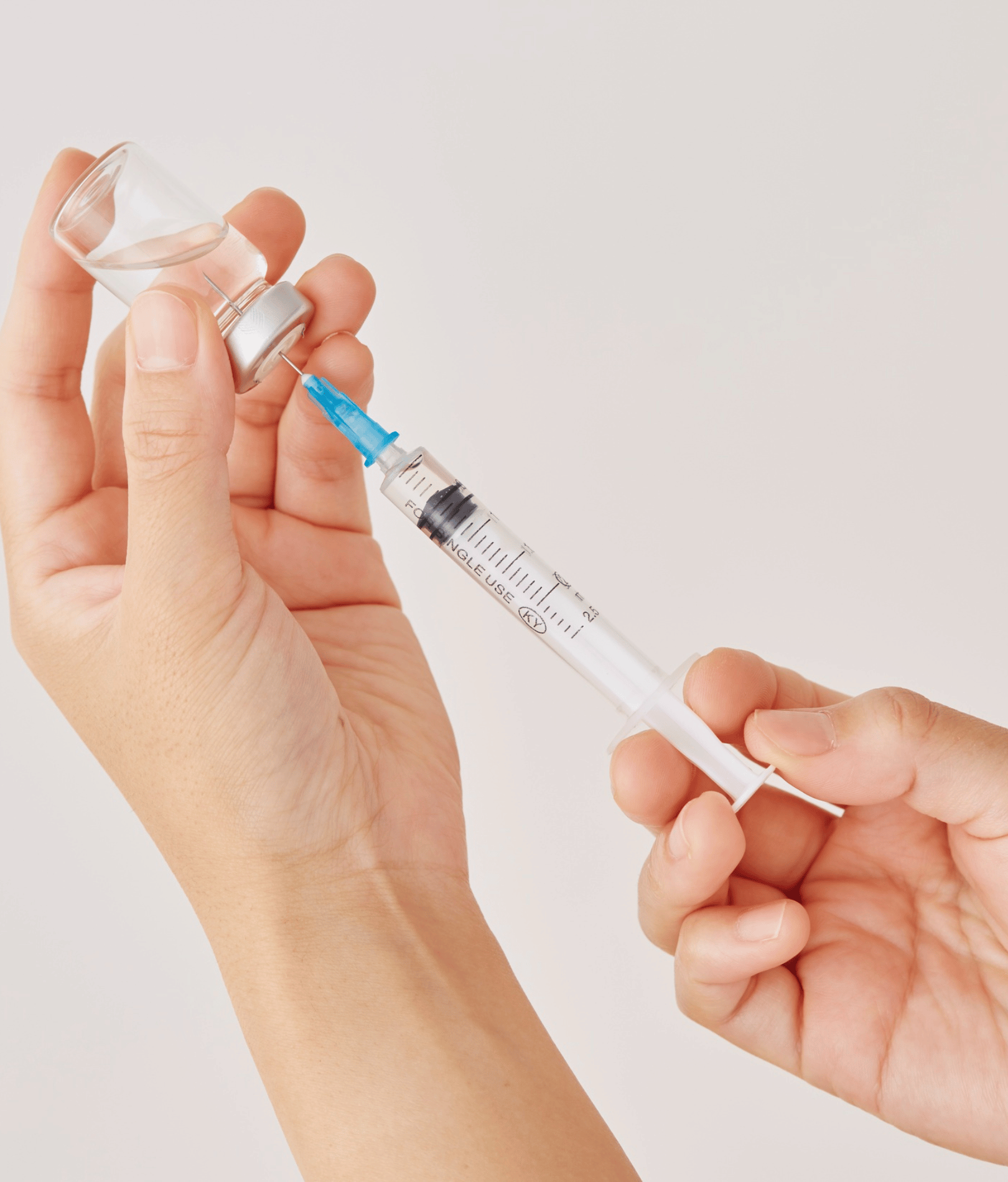
Best Clinics for Dissolving Fillers in Korea
Introduction
Dermal fillers can produce excellent cosmetic results, but not every filler treatment turns out as expected. Patients may experience overfilling, asymmetry, lumps, migration, an unnatural shape, or simply decide that they no longer want the filler.
For patients in South Korea, filler dissolving treatment is an important option, particularly when the original filler was made from hyaluronic acid (HA). The most commonly used dissolving agent for HA filler is hyaluronidase, an enzyme that breaks down hyaluronic acid.
Finding the right clinic matters because dissolving filler is still a medical procedure. The injector needs to determine what type of filler is present, where it is located, whether the problem is actually caused by filler, and how much treatment may be appropriate.
This guide explains what to look for when choosing a clinic for dissolving fillers in Korea, how the process works, what international patients should know, and when filler removal may require a more specialized approach.
What Is Filler Dissolving Treatment?
Using hyaluronidase for HA fillers
Hyaluronidase is an enzyme that can break down hyaluronic acid.
Because many commonly used dermal fillers are HA-based, hyaluronidase can sometimes be used to reduce or remove unwanted HA filler.
The treatment may be considered for:
- Overfilled lips
- Filler migration
- Uneven filler
- Lumps caused by HA filler
- Unwanted facial volume
- Asymmetry
- Poorly positioned filler
- Certain filler-related complications
The treatment should be planned according to the specific filler and clinical situation.
Not every filler can be dissolved
This is one of the most important points for patients.
Hyaluronidase works on hyaluronic acid, but it does not simply dissolve every type of dermal filler.
Some fillers use other materials, including:
- Calcium hydroxylapatite
- Poly-L-lactic acid
- Polymethylmethacrylate
- Other biostimulatory or permanent materials
These products require different management.
Patients should tell the Korean clinic what filler they received whenever possible.
Why Patients Choose Filler Dissolving Clinics in Korea
Specialized aesthetic medicine
Korea has a large aesthetic medicine sector, particularly in Seoul and areas such as Gangnam.
Clinics may offer treatments for:
- Lip filler problems
- Nasolabial filler issues
- Under-eye filler
- Cheek filler
- Chin filler
- Jawline filler
- Temple filler
- Nose filler
- Facial contouring injections
However, the fact that a clinic offers filler injections does not automatically mean that it specializes in difficult filler complications.
Patients should specifically ask whether the doctor has experience with filler dissolution and correction.
What Makes a Good Filler Dissolving Clinic?
Experience with correction cases
A strong clinic should understand both filler injection and filler removal.
This is important because the doctor needs to understand:
- Facial anatomy
- Filler placement
- Different filler products
- Injection depth
- Vascular anatomy
- Possible complications
- Appropriate use of hyaluronidase
Correction work can be more complicated than a routine cosmetic injection.
Ability to identify the filler
Before treatment, the doctor should try to determine:
- What product was used
- Where it was injected
- How much was used
- When it was injected
- Whether additional products were injected later
If you have treatment records, bring them to the consultation.
Best Areas in Korea for Filler Dissolving
Gangnam
Gangnam is one of the most well-known areas in Seoul for aesthetic medicine.
International patients can find clinics offering:
- Dermatology
- Plastic surgery
- Injectable treatments
- Filler correction
- Laser procedures
- Skin treatments
The large number of clinics gives patients more choices, but it also means that comparing providers carefully is important.
Apgujeong and Sinsa
These areas are also known for aesthetic and plastic surgery clinics.
Patients seeking filler correction may find providers experienced in facial injectables and revision treatments.
Other areas of Seoul
Filler dissolving is not limited to Gangnam.
Patients may also find qualified providers in other Seoul neighborhoods.
The most important factor is the physician's experience with the specific problem rather than the neighborhood itself.
Filler Dissolving for Lip Filler
One of the most common requests
Patients sometimes seek dissolution after receiving lip filler because the lips appear:
- Too large
- Uneven
- Lumpy
- Overprojected
- Asymmetrical
- Artificial
Migration can also cause filler to appear outside the intended lip border.
Hyaluronidase may be considered when the filler is HA-based.
Do not dissolve immediately without assessment
Swelling after lip filler can temporarily make the lips look much larger than the final result.
A doctor may recommend waiting for normal post-treatment swelling to decrease unless there is a specific medical concern requiring urgent treatment.
Filler Dissolving for Under-Eye Filler
A technically sensitive area
The tear trough and under-eye region require particularly careful assessment.
Patients may seek dissolution because of:
- Persistent puffiness
- Blue-gray discoloration
- Irregular contours
- Overfilling
- Filler migration
The cause of the problem should be identified before treatment.
Not every under-eye concern is caused by filler.
Dissolving Cheek and Midface Filler
Reducing excessive facial volume
Some patients feel that cheek filler made the face look too full or changed their facial proportions.
If the filler is HA-based, hyaluronidase may sometimes be used.
However, the doctor needs to distinguish filler volume from natural anatomy, swelling, edema, or other tissue changes.
Dissolving Chin and Jawline Filler
Correcting unwanted projection
Chin or jawline filler may occasionally create an appearance that is too prominent or asymmetrical.
A dissolving treatment may be considered if the product is HA-based.
The clinician should assess the entire lower face before deciding how much filler to remove.
Dissolving Nose Filler
A higher-risk area
Nonsurgical nose augmentation involves an anatomically sensitive region with important blood vessels.
If a patient has a complication after nose filler, medical assessment should be prioritized.
Signs such as severe pain, skin discoloration, or visual symptoms require urgent professional evaluation rather than routine cosmetic scheduling.
Patients should choose a clinic with experience managing filler complications rather than simply searching for the cheapest dissolution appointment.
How Filler Dissolving Works
Step 1: Medical consultation
The doctor evaluates the area and reviews your treatment history.
They may ask:
- Which filler was used?
- When was it injected?
- Where was it injected?
- How much was used?
- Have you had previous filler?
- Have you experienced complications?
Step 2: Determine whether the filler is HA
If the filler is confirmed or strongly suspected to be hyaluronic acid, hyaluronidase may be considered.
If the filler is unknown, the approach may require additional assessment.
Step 3: Targeted injection
Hyaluronidase is injected into the area where HA filler is located.
The amount and placement depend on the clinical situation.
Step 4: Reassessment
The doctor may evaluate the area again after treatment.
Some patients may need additional treatment if residual filler remains.
How Quickly Does Hyaluronidase Work?
The effect can begin relatively quickly
Hyaluronidase can act on HA filler relatively rapidly, but the visible result is not always immediate.
Swelling from the injection itself can temporarily obscure the outcome.
The final appearance should be judged after the tissues have settled according to the doctor's guidance.
Can All Filler Be Removed in One Session?
Not necessarily
The amount of filler, location, product characteristics, tissue depth, and treatment history can affect the result.
Some patients may require more than one treatment.
Trying to aggressively dissolve everything in one session is not necessarily the best approach.
A conservative, targeted strategy may be preferable when the goal is to preserve some desirable filler.
Partial Filler Dissolution
You may not need everything removed
Some patients like part of their filler but dislike one specific area.
For example, a patient may want:
- Less upper-lip filler
- Reduced cheek volume
- Less chin projection
- Correction of one side
- Removal of migrated filler
In these situations, partial dissolution may be considered.
The objective is not always complete removal.
Can Dissolving Filler Affect Natural Hyaluronic Acid?
Temporary effects are possible
Hyaluronidase can break down hyaluronic acid in the treated area, including naturally occurring HA.
The body produces hyaluronic acid naturally, and the tissue typically recovers over time.
Patients should discuss concerns about temporary changes in skin appearance or volume with their doctor.
What Happens After Filler Dissolving?
Temporary swelling may occur
Hyaluronidase injections can cause temporary:
- Swelling
- Redness
- Tenderness
- Bruising
These effects can make it difficult to judge the final result immediately.
The face may look temporarily different
If a significant amount of filler is removed, patients may notice a change in volume.
This can be surprising, particularly if the filler had been present for a long time.
The doctor can discuss what changes are realistically expected.
Risks of Filler Dissolving
Possible reactions
Potential risks include:
- Swelling
- Bruising
- Pain
- Redness
- Temporary unevenness
- Allergic reaction
- Infection
Hyaluronidase can rarely cause significant allergic reactions.
A qualified medical provider should be prepared to manage adverse reactions.
When Filler Dissolving Is an Emergency
Recognizing serious complications
Some filler complications require urgent medical attention rather than a routine cosmetic appointment.
Seek immediate medical evaluation if you experience symptoms such as:
- Severe or rapidly increasing pain
- Significant skin discoloration
- Pale or dusky skin around the injection area
- Blistering
- Sudden vision changes
- Neurological symptoms
These can potentially indicate vascular complications.
Patients should not wait for a regular appointment if serious symptoms develop.
What If the Filler Is Not Hyaluronic Acid?
Alternative management may be necessary
If the filler is permanent or non-HA, hyaluronidase will not provide the same dissolving effect.
Management may involve:
- Observation
- Medical treatment
- Imaging
- Surgical removal
- Specialist revision
The correct approach depends on the material and complication.
This is why identifying the original product is extremely important.
Ultrasound for Filler Assessment
When imaging can help
High-frequency ultrasound can sometimes help experienced clinicians identify the location of filler in soft tissue.
This can be particularly useful when:
- The filler location is uncertain
- Multiple injections were performed
- There are lumps
- Previous filler was placed deeply
- The patient has had treatment at several clinics
Not every case requires ultrasound, but it can be a useful diagnostic tool in selected situations.
How to Choose the Best Clinic in Korea
Look for a medical rather than purely cosmetic approach
When dissolving unwanted filler, prioritize clinics that offer proper medical assessment.
Look for:
- Qualified medical professionals
- Experience with filler correction
- Knowledge of facial vascular anatomy
- Clear documentation of products
- Appropriate emergency protocols
- Follow-up care
Ask specific questions
Before booking, ask:
- Does the doctor perform hyaluronidase treatment?
- How often do they treat unwanted filler?
- Can they manage filler complications?
- Do they assess unknown filler?
- Is ultrasound available when needed?
- What happens if the filler does not dissolve completely?
- Is follow-up included?
What International Patients Should Bring
Bring your filler records
If possible, bring:
- Product name
- Product packaging
- Treatment receipt
- Injection date
- Amount injected
- Previous treatment records
- Before-and-after photos
These details can make the consultation easier.
Tell the doctor about previous treatments
Do not assume an old filler treatment is irrelevant.
Multiple filler injections can change the anatomy and influence treatment planning.
Filler Dissolving Before a New Filler Treatment
Avoid rushing into replacement filler
Some patients dissolve unwanted filler because they want to start again with a different product.
It is usually better to allow the area to settle before immediately replacing the filler unless the treating doctor recommends otherwise.
This allows the provider to assess the actual baseline anatomy.
Can You Dissolve Filler and Get New Filler on the Same Day?
The answer depends on the case
Some patients may require a staged approach.
The appropriate timing depends on:
- Amount of filler removed
- Degree of swelling
- Reason for dissolution
- Tissue condition
- Whether there is inflammation or complication
A doctor should determine when new filler can safely be considered.
Filler Dissolving Costs in Korea
Pricing varies
The cost can depend on:
- Treatment area
- Amount of hyaluronidase needed
- Complexity
- Doctor experience
- Whether imaging is required
- Follow-up appointments
Simple dissolution may cost less than complex correction involving multiple areas.
Do not choose solely based on price
A very low-cost dissolution service may not provide the same level of assessment or follow-up as a specialized medical clinic.
For filler complications, quality and safety should be prioritized.
Filler Dissolving for Medical Tourists
Plan enough time in Korea
International patients should avoid scheduling filler dissolution immediately before returning home if possible.
Temporary swelling and bruising can occur.
Allowing time for follow-up can make the experience safer and less stressful.
Have a contingency plan
If additional treatment is needed, patients should know:
- Who to contact
- Where follow-up occurs
- Whether the doctor is available after treatment
- What symptoms require urgent care
This is particularly important for patients traveling internationally.
Questions to Ask Before Treatment
Important consultation questions
Ask:
- What type of filler do I have?
- Is it likely to respond to hyaluronidase?
- Do I need complete or partial dissolution?
- How much product do you expect to dissolve?
- Will you use ultrasound?
- How long should I wait before another filler treatment?
- What side effects should I expect?
- What warning signs require urgent treatment?
- What follow-up will be provided?
Best Clinic Does Not Always Mean the Most Famous Clinic
Experience matters more than popularity
A clinic may have a strong reputation for routine cosmetic injections but limited experience with complicated filler removal.
For this specific treatment, look for a provider who understands:
- Filler anatomy
- Complication management
- Dissolution strategies
- Revision planning
The ideal clinic is one that can assess the problem rather than simply inject an enzyme.
Conclusion
Finding the best clinic for dissolving fillers in Korea requires more than searching for a clinic that offers hyaluronidase.
The provider should understand the type of filler involved, its location, the patient's facial anatomy, and the reason the filler needs to be removed. HA fillers can often be treated with hyaluronidase, while non-HA or permanent fillers may require a completely different strategy.
For international patients, choosing an experienced medical provider, bringing previous treatment records, allowing enough time for follow-up, and understanding the warning signs of serious complications are especially important.
If the problem is cosmetic, a carefully planned partial or complete dissolution may restore a more natural appearance. If there is a medical complication, however, treatment should be approached as a medical priority rather than a routine aesthetic service.
The best clinic is ultimately not the one with the biggest promotion. It is the one that can accurately identify the filler, explain your options, perform appropriate treatment, and provide proper follow-up.
FAQs
Can hyaluronidase dissolve all dermal fillers?
No. Hyaluronidase is primarily used to break down hyaluronic acid. It does not dissolve every type of dermal filler.
How do I know whether my filler can be dissolved?
Find out the exact product used. Bring your treatment records or product information to the consultation. If the filler is unknown, the doctor may need additional assessment.
Where can I dissolve lip filler in Korea?
Seoul, particularly areas such as Gangnam, Sinsa, and Apgujeong, has many aesthetic clinics offering injectable treatments. Patients should specifically seek a medical provider experienced in filler dissolution rather than choosing solely based on location.
Can migrated lip filler be dissolved?
If the migrated product is HA-based, hyaluronidase may sometimes be used to reduce it. The provider should first determine where the filler is located and whether it is actually responsible for the appearance.
Does filler dissolving hurt?
Some patients experience temporary stinging or discomfort during injection. Swelling, tenderness, and bruising may occur afterward.
How long does it take for filler to dissolve?
Hyaluronidase can act relatively quickly on HA filler, but visible changes may take longer because of swelling and tissue response. The treating doctor can provide more specific guidance.
Can I completely remove my lip filler?
Sometimes, but complete removal is not guaranteed in every situation. The result depends on the filler product, amount, location, and individual tissue characteristics.
Can filler be partially dissolved?
Yes. In selected cases, the doctor may target only unwanted areas instead of removing all filler.
Is filler dissolving safe?
When appropriately performed by a qualified medical professional, hyaluronidase treatment can be used safely, but side effects and allergic reactions are possible.
Can I get new filler immediately after dissolving old filler?
The appropriate timing varies. It may be better to wait until swelling settles and the tissue can be properly reassessed.
Should I choose a dermatology clinic or plastic surgery clinic?
Either may be appropriate if the provider has relevant experience with filler dissolution and complication management. The physician's specific experience is more important than the clinic category alone.
When should filler complications be treated urgently?
Severe pain, significant skin discoloration, blistering, or sudden visual changes after filler injection require urgent medical evaluation rather than waiting for a routine cosmetic appointment.