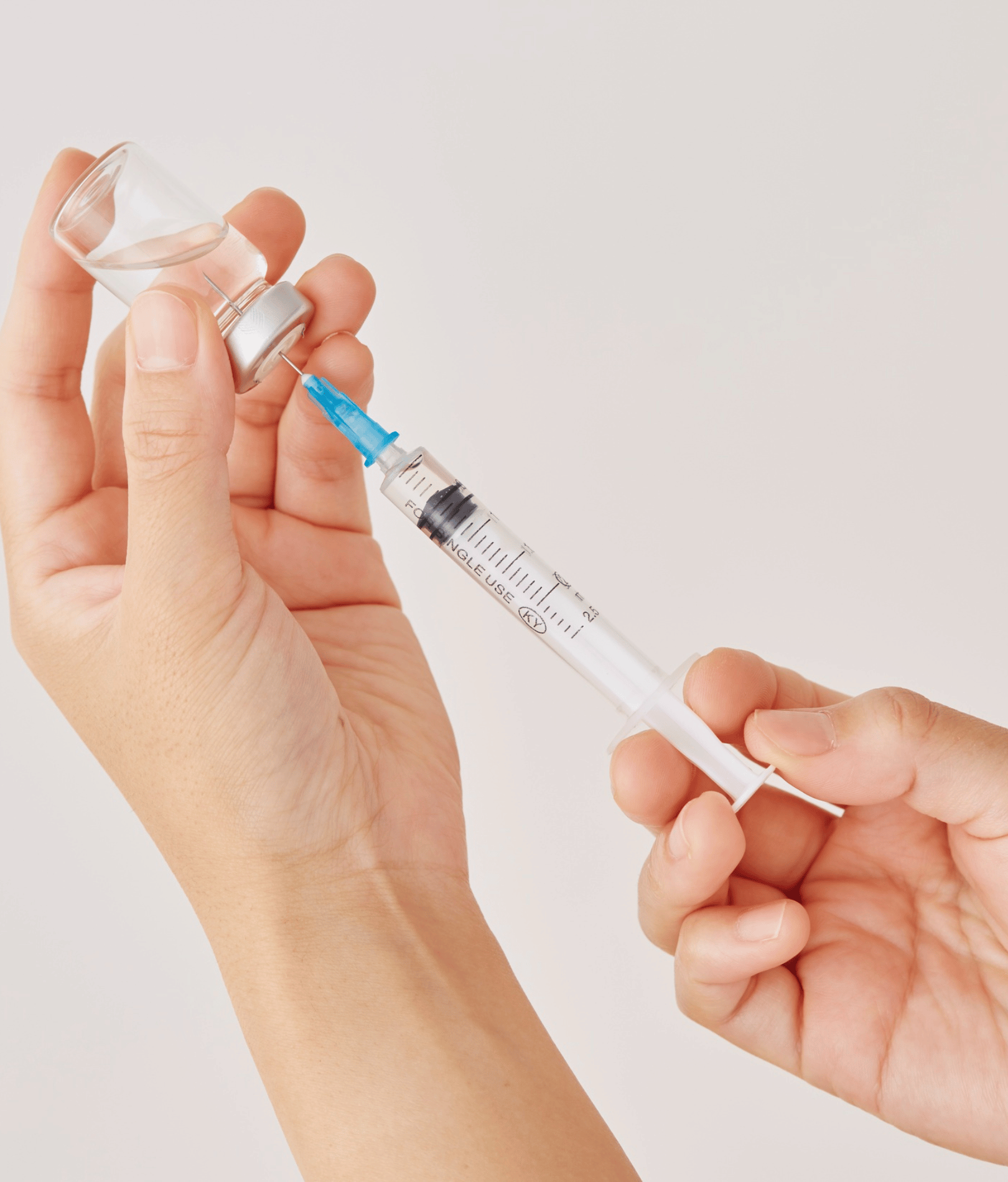
Complete Guide to Healthcare and Aesthetic Medicine in Gangnam
Introduction
Gangnam has become one of South Korea's most recognized destinations for healthcare, dermatology, plastic surgery, aesthetic medicine, dental care, health screening, and wellness services.
For international patients, the appeal is not simply the number of clinics available. Gangnam offers a dense network of specialized providers, modern facilities, advanced treatment technologies, and clinics experienced in serving both Korean and overseas patients.
The area is particularly well known for Korean dermatology and aesthetic medicine. Patients may visit for acne treatment, pigmentation concerns, laser procedures, injectables, skin rejuvenation, hair treatments, or cosmetic surgery. Others may come for routine health screening, specialist consultations, dental care, or preventive healthcare.
But having many choices can also make the process confusing.
A clinic that is ideal for one treatment may not be the right choice for another. A popular aesthetic procedure may not be appropriate for every patient, and the most expensive treatment is not necessarily the best one.
This guide explains how healthcare and aesthetic medicine work in Gangnam, what international patients can expect, and how to approach treatment decisions safely and realistically.
Understanding Healthcare in Gangnam
A Concentration of Specialized Clinics
One of Gangnam's defining characteristics is the concentration of specialist healthcare providers.
Depending on the neighborhood, patients can find clinics specializing in:
- Dermatology
- Plastic surgery
- Aesthetic medicine
- Dentistry
- Ophthalmology
- Hair and scalp treatment
- Women's health
- Men's health
- Internal medicine
- Rehabilitation
- Preventive healthcare
This concentration gives patients access to different specialists without necessarily traveling across Seoul.
For medical tourists, that can be particularly convenient because consultations, treatments, testing, and follow-up appointments may be organized within the same general area.
Different Areas Have Different Medical Profiles
Gangnam is a large district rather than a single medical street.
Apgujeong and Cheongdam are strongly associated with plastic surgery and premium aesthetic services, while areas around Gangnam Station, Sinsa, and other neighborhoods offer a broad mixture of dermatology, cosmetic medicine, dentistry, and general healthcare.
The neighborhood should be considered a starting point for research, not a guarantee of quality.
The individual doctor, facility, treatment plan, and patient experience remain more important than the address alone.
Medical Dermatology in Gangnam
Treating Skin Conditions
Dermatology in Gangnam includes both medical and cosmetic care.
Patients may seek treatment for conditions such as:
- Acne
- Rosacea
- Eczema
- Melasma
- Hyperpigmentation
- Scars
- Hair loss
- Skin infections
- Chronic inflammatory skin conditions
A qualified dermatologist can evaluate the underlying problem and determine whether medical treatment, procedures, skincare, or a combination is appropriate.
For unexplained or persistent symptoms, diagnosis should come before cosmetic treatment.
Acne and Acne Scars
Acne treatment may involve different approaches depending on severity and the patient's skin.
A dermatologist may consider:
- Topical medication
- Oral medication
- Chemical peels
- Laser-based procedures
- Scar treatments
- Skincare adjustments
Acne scars can also require individualized treatment because depressed scars, pigmentation, redness, and textural changes may respond differently.
There is no single procedure that works equally well for every type of acne scar.
Aesthetic Dermatology in Gangnam
Laser and Energy-Based Treatments
Gangnam is internationally known for its wide range of aesthetic dermatology procedures.
Depending on the clinic and patient's needs, treatments may include different types of:
- Laser therapy
- Light-based treatment
- Radiofrequency procedures
- Ultrasound-based treatments
- Skin resurfacing
- Vascular treatments
- Pigmentation treatments
The specific technology used should be selected according to the patient's skin condition, goals, and medical assessment.
More powerful equipment is not automatically better.
Skin Rejuvenation
Patients seeking skin rejuvenation may be interested in improving:
- Fine lines
- Uneven texture
- Dullness
- Pigmentation
- Pore appearance
- Skin firmness
- Overall skin quality
Treatment plans can range from skincare and non-invasive procedures to injectables and more intensive interventions.
A good consultation should explain realistic outcomes rather than promise perfect skin.
Injectables and Non-Surgical Aesthetic Medicine
Botox and Neuromodulators
Botulinum toxin treatments are widely used in aesthetic medicine for reducing the appearance of certain dynamic wrinkles.
Depending on the treatment plan, injections may be considered for areas such as:
- Forehead lines
- Frown lines
- Crow's feet
- Masseter muscles
- Certain neck muscles
The appropriate dose and injection pattern depend on anatomy and treatment goals.
Over-treatment can produce unwanted effects, so patients should prioritize an experienced medical provider rather than simply seeking the lowest price.
Dermal Fillers
Dermal fillers may be used to restore or enhance volume in selected areas.
Common treatment areas can include:
- Lips
- Cheeks
- Chin
- Nasolabial folds
- Jawline
- Temples
Fillers have medical risks, including swelling, bruising, infection, and rare but serious vascular complications.
Patients should understand these risks before treatment and ensure that injections are performed by an appropriately qualified professional.
Skin Boosters and Injectable Skin Treatments
Korean aesthetic medicine is also associated with injectable treatments intended to improve aspects of skin quality.
Depending on the product and technique, these treatments may target concerns such as:
- Hydration
- Fine lines
- Texture
- Elasticity
- Skin appearance
Results vary by treatment and patient.
Patients should ask exactly what product is being used, what evidence supports it, and what results can realistically be expected.
Plastic Surgery in Gangnam
Facial Plastic Surgery
Gangnam has developed a strong international reputation for facial plastic surgery.
Procedures may include:
- Rhinoplasty
- Revision rhinoplasty
- Blepharoplasty
- Facelift surgery
- Brow or forehead procedures
- Facial contouring
- Fat grafting
- Chin surgery
- Ear surgery
Surgery should be approached differently from non-invasive aesthetic treatments.
Patients need to consider anesthesia, recovery, postoperative monitoring, potential complications, and long-term outcomes.
Revision Surgery
Revision surgery can be considerably more complex than primary surgery.
Previous procedures may change:
- Tissue structure
- Scar tissue
- Skin quality
- Anatomy
- Available surgical options
Patients considering revision surgery should provide previous operative records whenever possible.
A detailed consultation is particularly important because the goal may be correction, improvement, or reconstruction rather than simply repeating the original procedure.
Dental Care in Gangnam
General and Cosmetic Dentistry
Gangnam also has a large range of dental providers.
International patients may seek:
- Dental examinations
- Professional cleaning
- Crowns
- Bridges
- Dental implants
- Orthodontic treatment
- Cosmetic dentistry
- Veneers
- Gum care
Dental treatment can sometimes be incorporated into a broader healthcare trip, but complex procedures may require multiple visits.
Patients should understand the complete treatment timeline before booking flights.
Health Screening and Preventive Care
Comprehensive Health Checks
South Korea has a strong culture of preventive health screening.
Depending on age, medical history, and individual risk factors, screening may involve:
- Blood tests
- Imaging
- Cardiovascular assessments
- Cancer screening
- Metabolic testing
- Other diagnostic evaluations
International patients should avoid choosing screening packages simply because they contain the largest number of tests.
A medically appropriate screening plan should reflect the individual's age, health history, symptoms, and risk factors.
Hair and Scalp Treatment
Korean Hair Clinics
Hair loss is another area of interest for patients visiting South Korea.
Depending on the cause of hair loss, a specialist may discuss:
- Medical treatment
- Scalp care
- Hair loss evaluation
- PRP-based approaches
- Other non-surgical treatments
- Hair transplantation
The first step should be identifying the likely cause of hair loss.
Different forms of hair loss require different approaches, and cosmetic treatment alone may not address an underlying medical problem.
How to Choose a Gangnam Clinic
Start With the Medical Specialty
The first question should be: What type of healthcare professional do I actually need?
For example:
- Persistent skin disease → Dermatologist
- Cosmetic facial surgery → Plastic surgeon
- Tooth replacement → Dentist or oral specialist
- Hair loss → Appropriate dermatology or hair specialist
- General health concerns → Relevant medical provider
- Preventive screening → Qualified screening or medical facility
Starting with the correct specialty reduces the risk of choosing a provider based only on marketing.
Research the Doctor, Not Just the Clinic
A clinic's reputation can be useful, but the physician treating you matters greatly.
Research:
- Medical qualifications
- Relevant specialty
- Procedure experience
- Treatment philosophy
- Facility information
- Patient communication
- Follow-up arrangements
For surgery, confirm who will actually perform the operation.
What International Patients Should Expect
Before the Appointment
International patients should prepare:
- Passport or identification
- Medical history
- Medication list
- Allergy information
- Previous treatment records
- Relevant imaging or laboratory results
- A list of questions
If you are seeking revision surgery, bring previous operative reports whenever possible.
During the Consultation
Ask the doctor:
- What is my diagnosis or main concern?
- What treatment options are available?
- Why do you recommend this approach?
- What are the alternatives?
- What are the risks?
- How long is recovery?
- What results are realistic?
- How many follow-up visits are needed?
- What happens if a complication occurs?
Do not hesitate to request clarification if something is unclear.
Language and International Patient Support
Communication Matters
Many Gangnam clinics serving international patients offer some form of language support.
Depending on the provider, this may include:
- English-speaking staff
- Interpreters
- International coordinators
- Multilingual websites
- Written treatment instructions
- Online appointment support
Services differ between clinics.
International patients should confirm exactly what language support is available rather than assuming it will be provided.
Understanding Treatment Costs
Why Prices Vary
The price of healthcare or aesthetic treatment in Gangnam can vary substantially.
Factors may include:
- Doctor experience
- Procedure complexity
- Clinic location
- Technology
- Materials
- Anesthesia
- Medication
- Number of sessions
- Follow-up care
A low advertised price may not include every component of treatment.
Ask for a clear explanation of the total expected cost before proceeding.
Avoid Choosing Based Only on Price
Price can be an important practical consideration, but it should not be the primary factor in choosing a surgeon or medical provider.
For surgery and injectable procedures especially, qualifications, experience, safety, and appropriate treatment planning should come first.
Combining Multiple Treatments in One Trip
Plan the Order Carefully
International patients sometimes want to complete several procedures during one visit to Korea.
This can be possible in selected circumstances, but treatment combinations should be discussed with the relevant healthcare professionals.
Consider:
- Recovery time
- Medication use
- Swelling
- Infection risk
- Skin sensitivity
- Anesthesia
- Treatment interactions
- Follow-up requirements
Never assume that two treatments are safe to combine simply because both are commonly performed.
Build Recovery Into Your Itinerary
A medical trip should not be scheduled like a sightseeing tour.
Leave space for:
- Consultations
- Treatment
- Recovery
- Follow-up
- Unexpected changes
This is particularly important for surgery.
Safety Considerations for Aesthetic Medicine
Understand That Non-Surgical Does Not Mean Risk-Free
Patients sometimes assume that injectables, lasers, or other non-surgical procedures carry no serious risks.
That is not always true.
Depending on the procedure, complications can include:
- Infection
- Burns
- Scarring
- Pigment changes
- Allergic reactions
- Nerve effects
- Vascular complications
- Asymmetry
Ask about both common side effects and rare but serious complications before treatment.
Be Careful With Combination Packages
Aesthetic clinics may offer packages containing multiple procedures.
A package can be convenient, but every treatment should still have a clear medical or aesthetic purpose.
Ask whether each component is genuinely appropriate for you.
Recovery and Aftercare
Follow Your Provider's Instructions
After treatment, follow the specific instructions given by your healthcare professional.
Depending on the procedure, you may need to temporarily avoid:
- Intense exercise
- Alcohol
- Sauna or excessive heat
- Swimming
- Direct sun exposure
- Certain skincare products
Recovery varies considerably.
A minor skin treatment may require little downtime, while surgery may require weeks of recovery.
International Patients Need a Follow-Up Plan
If you are returning home after treatment, ask:
- When is the next follow-up?
- How long should I stay in Korea?
- Can follow-up be performed remotely?
- What medical records will I receive?
- Who should I contact if a problem develops?
For surgery, do not book a return flight without discussing appropriate travel timing with your medical team.
Medical Tourism in Gangnam
Why International Patients Choose Gangnam
Gangnam's medical tourism appeal comes from several factors:
- High concentration of specialist clinics
- Strong reputation in aesthetic medicine
- Access to dermatology and plastic surgery
- Modern urban infrastructure
- Convenient transportation
- International patient services
- Wide range of treatment options
However, medical tourism requires additional planning compared with receiving care locally.
Patients need to consider accommodation, flights, language, insurance, recovery, and follow-up.
Korean Healthcare and Aesthetic Medicine: What Makes Gangnam Different?
A Dense Medical Ecosystem
Gangnam's greatest advantage may be the concentration of healthcare services within a relatively accessible urban area.
Patients can potentially compare several providers, obtain second opinions, and coordinate different specialties.
This is particularly useful for international patients who have limited time in South Korea.
A Strong Focus on Aesthetic Innovation
Korean aesthetic medicine has developed rapidly, with clinics offering a wide range of procedures.
But innovation should be evaluated carefully.
Before choosing a new or unfamiliar treatment, ask:
- What is the treatment designed to do?
- What evidence supports it?
- Who performs it?
- What are the risks?
- How many sessions are needed?
- What happens if the expected result is not achieved?
Tips for First-Time International Patients
A Practical Checklist
Before traveling to Gangnam:
- Identify your primary treatment goal.
- Research the appropriate specialty.
- Compare qualified providers.
- Schedule consultations in advance.
- Prepare your medical history.
- Confirm language support.
- Ask about total costs.
- Understand recovery requirements.
- Plan accommodation near your main clinic when practical.
- Arrange follow-up before returning home.
Most importantly, keep your itinerary flexible.
A consultation may result in a different treatment recommendation than the one you expected.
When You Should Get a Second Opinion
Especially Important for Surgery
A second opinion can be useful when:
- Surgery is significant or irreversible.
- Doctors recommend different procedures.
- You have had previous surgery.
- The diagnosis is unclear.
- The treatment is expensive.
- You feel pressured to decide immediately.
- You are uncertain about the expected result.
A second opinion does not mean the first doctor is wrong.
It simply gives you additional information before making an important decision.
Red Flags to Watch For
Be Cautious About Aggressive Sales Tactics
International patients should be careful if a provider:
- Guarantees a specific result
- Pressures you to book immediately
- Refuses to explain risks
- Avoids discussing alternatives
- Gives unclear pricing
- Cannot identify the doctor performing the procedure
- Makes unrealistic claims
- Dismisses your medical concerns
A professional consultation should give you enough information to make an informed decision.
Conclusion
Gangnam offers one of South Korea's most diverse healthcare environments, combining specialist medical services with a particularly strong concentration of dermatology, plastic surgery, and aesthetic medicine.
For international patients, this can provide access to many healthcare options within a relatively compact area.
The key is to use that choice carefully.
Research the appropriate specialty, evaluate individual doctors, understand the proposed treatment, ask about risks and alternatives, and plan realistically for recovery and follow-up.
A successful medical tourism experience is not about completing the largest number of procedures or finding the cheapest clinic.
It is about receiving appropriate care from qualified professionals while making informed decisions that match your health needs, expectations, and circumstances.
FAQs
What healthcare services are available in Gangnam?
Gangnam offers a broad range of healthcare services, including dermatology, plastic surgery, aesthetic medicine, dentistry, health screening, hair treatment, women's health, men's health, and other specialist services.
Why is Gangnam popular for aesthetic medicine?
Gangnam has a high concentration of dermatology and aesthetic clinics, along with extensive experience in procedures such as laser treatments, injectables, skin rejuvenation, and non-surgical cosmetic treatments.
Is Gangnam suitable for international patients?
Many clinics in Gangnam regularly serve international patients and may offer language assistance and international patient coordination. Services vary, so confirm support before booking.
How do I choose the best Gangnam clinic?
Start by identifying the appropriate specialty, then research the individual doctor's qualifications, relevant experience, treatment approach, safety information, communication support, costs, and follow-up arrangements.
How much does aesthetic treatment cost in Gangnam?
Costs vary widely according to the procedure, doctor, clinic, technology, materials, and number of sessions. Ask for a complete price breakdown rather than relying on promotional prices.
Can I combine several treatments during one trip to Korea?
Sometimes, but treatment combinations should be evaluated by qualified healthcare professionals. Recovery time, medications, anesthesia, skin sensitivity, and other factors may affect the schedule.
Is Korean aesthetic medicine safe?
Aesthetic procedures can be performed safely when appropriately selected and carried out by qualified professionals, but every procedure carries potential risks. Patients should understand these risks before treatment.
Should I get a consultation before booking treatment?
Yes. A consultation allows the doctor to evaluate your needs, discuss alternatives, explain risks, and determine whether the treatment is appropriate.
How long should I stay in Korea after cosmetic surgery?
There is no universal timeframe. It depends on the surgery, recovery, postoperative monitoring, and your surgeon's recommendations. Discuss your travel schedule before booking flights.
Can I get a second opinion in Gangnam?
Yes. Gangnam's concentration of specialist clinics can make it practical to seek more than one professional opinion, particularly for complex or irreversible procedures.