Non-Surgical Hair Restoration in Korea: Best Options
Introduction
Hair loss can affect confidence at any age, but not everyone wants or needs a hair transplant. For patients with early or moderate thinning, non-surgical hair restoration may offer practical ways to slow progression, support existing follicles, improve scalp health, or make the hair appear fuller.
South Korea, particularly Seoul and Gangnam, offers a wide range of dermatology and hair-loss treatments. Korean clinics commonly provide medical therapies, platelet-rich plasma (PRP), low-level light therapy, scalp treatments, microneedling, and other non-surgical approaches.
However, the phrase "hair restoration" can mean different things. Some treatments aim to reduce shedding or preserve existing hair, while others may improve the appearance or condition of the scalp. None can guarantee that permanently lost follicles will grow back.
The best option depends on the type and severity of hair loss, the health of the scalp, medical history, age, and treatment goals. A proper diagnosis should therefore come before selecting a treatment package.
This guide explains the most common non-surgical hair restoration options in Korea, how they work, who may benefit, potential limitations, costs, recovery, and what international patients should consider before treatment.
What Is Non-Surgical Hair Restoration?
Non-surgical hair restoration refers to treatments designed to manage hair loss without surgically transplanting follicles.
Depending on the diagnosis, options may include:
- Prescription hair-loss medication
- Topical treatments
- PRP therapy
- Low-level light therapy
- Microneedling
- Scalp treatments
- Nutritional correction when a deficiency exists
- Combination treatment plans
These approaches generally work best when viable hair follicles are still present.
Why Consider Non-Surgical Hair Restoration?
No Hair Transplant Surgery
Non-surgical treatments do not require harvesting and implanting hair follicles.
This can make them attractive to patients who:
- Are not ready for surgery
- Have early-stage hair thinning
- Want to preserve existing hair
- Have limited donor hair
- Prefer gradual treatment
Potentially Less Downtime
Many non-surgical treatments involve little or no significant downtime.
Patients may often return to normal activities relatively quickly, although some treatments can cause temporary redness, tenderness, or scalp sensitivity.
Useful for Early Hair Loss
When hair follicles are still functioning but becoming thinner, treatment may focus on preserving them.
This is particularly relevant to early androgenetic alopecia.
Best Non-Surgical Hair Restoration Options in Korea
Prescription Hair-Loss Medication
Medical treatment is often an important part of managing pattern hair loss.
Depending on the patient's sex, medical history, diagnosis, and risk factors, a physician may discuss topical or oral medications.
The purpose may be to:
- Slow further hair loss
- Reduce follicle miniaturization
- Maintain existing hair
- Support gradual improvement in density
Medication is not appropriate for everyone and may have potential side effects.
Topical Minoxidil
Topical minoxidil is a commonly used treatment for certain types of hair loss.
It may help support hair growth or reduce progression in appropriate patients.
Possible disadvantages include:
- Scalp irritation
- Dryness
- Temporary shedding after starting
- The need for continued use
Results vary, and stopping treatment can lead to loss of the benefits over time.
Oral Hair-Loss Medication
Some patients may be candidates for oral medication.
The specific medication depends on the diagnosis and individual circumstances.
Because systemic medications can have side effects and contraindications, they should only be used under appropriate medical supervision.
Patients should not obtain or change prescription medication solely based on online recommendations.
PRP Hair Restoration in Korea
What Is PRP?
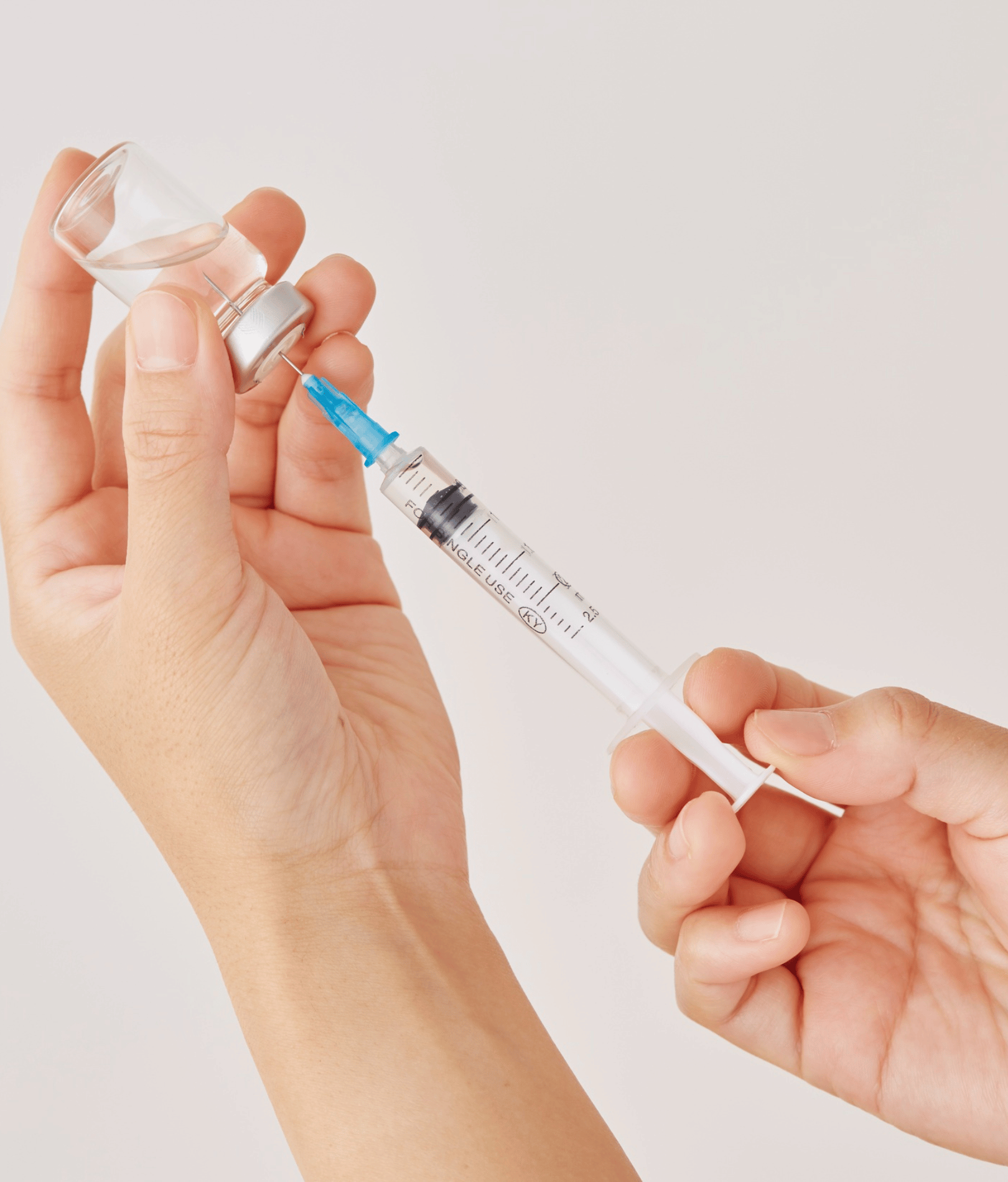
Platelet-rich plasma, or PRP, uses a sample of the patient's own blood.
The blood is processed to concentrate platelets and then injected into selected areas of the scalp.
The rationale is that platelet-derived growth factors may influence tissue repair and follicular activity.
Who May Consider PRP?
PRP may be discussed for patients with:
- Early or moderate thinning
- Pattern hair loss
- Reduced hair density
- Some forms of diffuse shedding
The evidence for PRP varies, and treatment protocols are not standardized.
How Many PRP Sessions Are Needed?
There is no universal schedule.
Treatment frequency depends on:
- Diagnosis
- PRP preparation method
- Injection technique
- Clinic protocol
- Patient response
Patients should ask the clinic what outcome it realistically expects from the recommended number of sessions.
Low-Level Light Therapy
How Does It Work?
Low-level light therapy, sometimes called photobiomodulation, uses specific wavelengths of light applied to the scalp.
The proposed mechanism involves cellular effects that may influence hair follicles.
It is generally non-invasive.
Potential Advantages
Patients may appreciate that it:
- Does not require surgery
- Usually involves little downtime
- Can be repeated
- May be combined with other treatments
However, results are not guaranteed, and the effectiveness depends on the device, treatment schedule, diagnosis, and individual response.
Microneedling for Hair Loss
What Is Microneedling?
Microneedling uses small needles to create controlled microscopic injuries in the skin.
Some hair-loss protocols use microneedling as an adjunctive treatment.
The treatment may be combined with other medical approaches.
Important Considerations
Microneedling is not appropriate for every scalp condition.
Potential side effects can include:
- Redness
- Swelling
- Tenderness
- Minor bleeding
- Infection
Proper sterilization and appropriate treatment technique are important.
Scalp Treatments in Korean Clinics
Scalp Cleansing and Exfoliation
Some Korean clinics offer specialized scalp-care programs designed to remove buildup and improve scalp cleanliness.
These may be useful for patients experiencing:
- Excessive oiliness
- Flaking
- Product buildup
- Scalp discomfort
However, cosmetic scalp care should not be confused with treatment for genetic hair loss.
Scalp Inflammation Treatment
Inflammatory scalp disorders may contribute to itching, scaling, or hair shedding.
If a medical scalp condition is present, treatment should address the underlying diagnosis rather than simply using cosmetic scalp products.
Nutritional Assessment for Hair Loss
When Nutrition May Matter
Nutritional deficiencies can contribute to hair shedding in some patients.
Risk factors may include:
- Rapid weight loss
- Restrictive diets
- Pregnancy
- Heavy menstrual bleeding
- Certain gastrointestinal conditions
- Inadequate protein intake
A doctor may recommend selected blood tests when nutritional deficiency is suspected.
Commonly Considered Tests
Depending on the patient, a doctor may consider:
- Complete blood count
- Ferritin
- Iron studies
- Vitamin D
- Vitamin B12
- Zinc
- Thyroid testing
Not everyone needs all of these tests.
Combination Non-Surgical Hair Restoration
Medication + PRP
Some patients may receive medical treatment alongside PRP.
The goal is to combine a treatment designed to manage the underlying hair-loss process with an adjunctive procedure.
Medication + Light Therapy
Low-level light therapy may be used alongside medical treatment in selected cases.
The treatment schedule depends on the specific device and clinical plan.
PRP + Microneedling
Some clinics combine PRP with microneedling protocols.
Patients should ask whether there is a clear clinical reason for combining the treatments and what evidence supports the particular protocol.
Scalp Care + Medical Treatment
Scalp care may be helpful when a scalp condition exists alongside hair loss.
It should complement rather than replace evidence-based medical management.
Who Is a Good Candidate for Non-Surgical Hair Restoration?
Patients With Early Hair Thinning
Non-surgical treatment may be particularly relevant when follicles are still present but becoming progressively thinner.
Early intervention can help with long-term management.
Patients With Moderate Hair Loss
Some patients with moderate thinning may benefit from non-surgical treatment, depending on how much viable hair remains.
However, expectations should remain realistic.
Patients Who Want to Avoid Surgery
Non-surgical treatment may be appropriate for people who prefer not to undergo transplantation.
It can also be useful for patients who are not currently suitable for surgery.
Patients With Medical Causes of Hair Shedding
If hair loss is related to a nutritional deficiency, thyroid problem, illness, or another reversible factor, treating the underlying cause may be more important than cosmetic procedures.
When Non-Surgical Treatment May Have Limitations
Advanced Permanent Hair Loss
When follicles have been permanently lost, non-surgical treatments generally cannot recreate a completely new follicle.
A hair transplant may be considered for selected patients with sufficient donor hair.
Severe Genetic Hair Loss
Advanced androgenetic alopecia may require a long-term strategy combining medical management and, when appropriate, surgical restoration.
Unclear Diagnosis
If the cause of hair loss is unknown, starting multiple treatments without diagnosis can make it difficult to determine what is actually helping.
A dermatology evaluation should come first.
What to Expect During a Korean Hair Restoration Consultation
Medical History
The physician may ask about:
- Onset of hair loss
- Family history
- Recent illness
- Weight changes
- Diet
- Medications
- Supplements
- Previous treatments
Scalp Examination
The doctor may examine the:
- Hairline
- Temples
- Crown
- Mid-scalp
- Donor area
- Scalp surface
Dermoscopy or digital imaging may also be used.
Treatment Planning
After diagnosis, the physician may recommend one treatment or a combination.
A good treatment plan should explain:
- Why the treatment is recommended
- Expected benefits
- Limitations
- Potential risks
- Number of sessions
- Estimated timeline
- Follow-up requirements
Recovery After Non-Surgical Treatments
Medication
Medication generally does not require physical recovery time, although patients may experience side effects depending on the medication.
PRP
PRP may cause temporary:
- Tenderness
- Redness
- Swelling
- Bruising
These effects usually resolve without major intervention, but individual recovery varies.
Microneedling
The scalp may remain red or sensitive for a short period after treatment.
The clinic should provide specific post-treatment instructions.
Light Therapy
Low-level light therapy generally has minimal downtime.
How Long Until You See Results?
Hair Growth Is Gradual
Hair follicles operate through growth, transition, and resting phases.
Because of this biological cycle, non-surgical hair restoration rarely produces dramatic changes immediately.
Depending on the treatment, patients may need several months to evaluate progress.
Consistency Matters
Some treatments require continued use to maintain benefits.
For example, certain medications are maintenance therapies rather than one-time procedures.
Patients should understand the long-term commitment before starting.
Potential Risks and Side Effects
Medication
Possible side effects vary according to the specific medication.
Your doctor should explain relevant risks before prescribing treatment.
PRP
Potential risks include:
- Injection discomfort
- Bruising
- Swelling
- Infection
- Temporary tenderness
Microneedling
Potential complications include:
- Irritation
- Bleeding
- Infection
- Pigment changes in susceptible individuals
Light Therapy
Side effects are generally limited but can vary according to the device and individual sensitivity.
Cost of Non-Surgical Hair Restoration in Korea
What Affects the Price?
Costs vary between clinics and treatments.
Factors include:
- Treatment type
- Number of sessions
- Device used
- Physician involvement
- Diagnostic testing
- Medication
- PRP preparation method
- Follow-up appointments
Ask for a Complete Treatment Quote
International patients should ask whether the quoted price includes:
- Consultation
- Scalp examination
- Diagnostic testing
- Treatment sessions
- Medication
- Follow-up
- Translation or interpretation services, if applicable
Avoid comparing prices without comparing exactly what each package contains.
Why Consider Korea for Non-Surgical Hair Restoration?
Access to Dermatology Expertise
South Korea has a large medical-aesthetic sector, particularly in Seoul.
Patients can access clinics offering both dermatological evaluation and cosmetic hair treatments.
Multiple Treatment Options
Korean hair clinics may offer combinations of:
- Medical therapy
- PRP
- Light therapy
- Microneedling
- Scalp treatments
- Hair transplantation
This can make it easier to develop a treatment strategy based on the patient's needs.
International Patient Services
Many clinics in Seoul serve international patients.
However, language support and aftercare policies differ, so patients should confirm these details before booking.
Tips for International Patients
Bring Previous Medical Records
If possible, bring:
- Previous blood tests
- Medication lists
- Previous hair-loss diagnoses
- Photos showing progression
- Information about supplements
This can make the consultation more efficient.
Avoid Scheduling Too Many Treatments Immediately
A short trip to Korea may create pressure to receive multiple procedures.
However, the best medical plan may involve diagnosis first and treatment later.
Ask About Long-Term Management
Hair loss is often a chronic condition.
Ask how the treatment will continue after you return home.
Important questions include:
- Will I need ongoing medication?
- How often should I return?
- Can the clinic conduct remote follow-up?
- What happens if the treatment does not work?
- When should progress be assessed?
Non-Surgical vs Hair Transplantation
Non-Surgical Treatment
Advantages may include:
- No graft harvesting
- Less downtime
- Suitable for early-stage hair loss
- Can help preserve existing hair
Limitations include:
- Cannot recreate permanently lost follicles
- Often requires ongoing treatment
- Results vary
Hair Transplantation
Advantages may include:
- Permanent relocation of donor follicles
- Ability to restore selected areas with significant loss
- Natural results when appropriately planned
Limitations include:
- Surgery
- Recovery period
- Limited donor supply
- Cost
- Possible complications
The two approaches are not always competing choices. Some patients may use medical treatment before and after a transplant.
Common Mistakes to Avoid
Choosing Treatment Before Diagnosis
Do not choose PRP, microneedling, or another procedure simply because it is popular.
First determine the cause of hair loss.
Expecting Permanent Results From Every Treatment
Some treatments require continued maintenance.
Ask what happens if treatment is stopped.
Believing Marketing Claims
Be cautious about clinics promising guaranteed regrowth or extremely high density.
Hair restoration outcomes vary from person to person.
Ignoring Existing Medical Conditions
Hair loss can sometimes be the first visible sign of a broader medical issue.
Persistent or sudden shedding deserves appropriate evaluation.
Conclusion
Non-surgical hair restoration in Korea provides several options for people who want to manage hair loss without undergoing transplantation. Depending on the diagnosis, treatment may include medication, PRP, low-level light therapy, microneedling, scalp care, nutritional correction, or a combination of approaches.
The best treatment is not necessarily the newest or most expensive procedure. It is the approach that matches the cause and severity of your hair loss.
For patients with early-stage pattern hair loss, medical treatment may focus on preserving existing follicles. For patients with nutritional or medical causes of shedding, correcting the underlying problem may be more important. Those with advanced permanent hair loss may eventually require transplantation if they want to restore areas where follicles have been lost.
South Korea, especially Seoul and Gangnam, offers a wide range of dermatology and hair-restoration services. International patients should compare doctors carefully, request individualized treatment plans, understand potential risks, and confirm follow-up arrangements before beginning treatment.
A professional diagnosis, realistic expectations, and consistent long-term management are more important than simply choosing the largest treatment package.
FAQs About Non-Surgical Hair Restoration in Korea
What is the best non-surgical hair restoration treatment in Korea?
There is no single best treatment for everyone. Medication, PRP, light therapy, microneedling, or nutritional treatment may be appropriate depending on the cause and severity of hair loss.
Is non-surgical hair restoration effective?
Some treatments can help slow hair loss or improve density in appropriate patients, but results vary. No non-surgical treatment can guarantee complete regrowth.
Can PRP regrow hair without a transplant?
PRP may support hair growth in some patients, particularly those with certain types of early or moderate thinning. Evidence varies, and it is not a replacement for every established hair-loss treatment.
How long does non-surgical hair restoration take to work?
Hair growth is gradual. Many treatments require several months before meaningful changes can be evaluated.
Is minoxidil available for hair loss treatment in Korea?
Minoxidil is an established treatment for certain types of hair loss. A healthcare professional can advise whether it is appropriate for your condition and how it should be used.
Can non-surgical treatment restore permanently bald areas?
Generally, non-surgical treatments cannot recreate follicles that have been permanently lost. Hair transplantation may be considered for selected patients.
How much does non-surgical hair restoration cost in Korea?
Costs vary according to the treatment, number of sessions, clinic, diagnostic tests, and follow-up services. An individualized quote is necessary.
Is PRP painful?
PRP involves multiple scalp injections, so some patients experience discomfort or tenderness. Clinics may use techniques to improve comfort.
Can I combine PRP with other hair-loss treatments?
In some cases, PRP may be combined with medication or other treatments. The combination should be recommended by a qualified physician.
Can international patients receive non-surgical hair treatments in Seoul?
Yes. Many clinics in Seoul provide services to international patients, although language support, treatment availability, and follow-up policies vary by clinic.