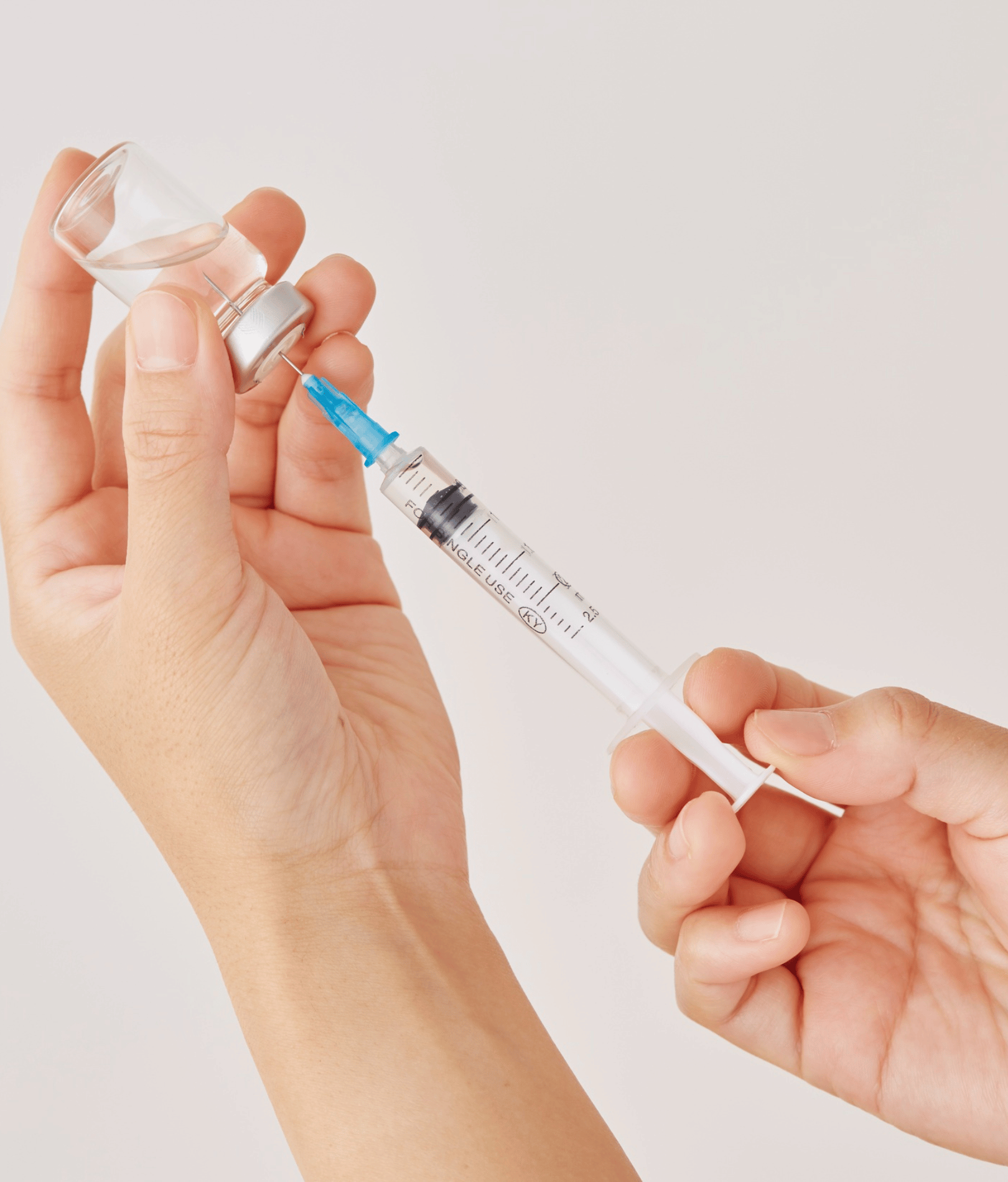
Combining Longevity Medicine With Cosmetic Care in Korea
Introduction
Longevity medicine and cosmetic care are increasingly being discussed as complementary parts of a broader approach to health, appearance, and healthy aging. In South Korea, particularly in Seoul and Gangnam, some clinics are developing services that combine preventive healthcare, wellness assessments, dermatology, and aesthetic treatments.
The idea is straightforward: instead of focusing only on how someone looks, a broader program may also consider factors that influence long-term health, such as metabolic health, nutrition, sleep, exercise, and preventive screening.
For international patients, this approach can be appealing because a single trip to Korea may allow them to explore both medical and aesthetic services. However, combining treatments does not mean every patient needs a comprehensive package. Longevity programs and cosmetic procedures should be selected based on individual needs, medical history, treatment goals, and clinical evidence.
Understanding what each type of care actually involves can help patients separate evidence-based healthcare from marketing claims.
What Is Longevity Medicine?
Longevity medicine generally focuses on maintaining health and function as people age rather than treating aging as a disease that can simply be reversed.
Areas May Include
Depending on the clinic, longevity-focused care may involve:
- Preventive health screening
- Cardiovascular risk assessment
- Metabolic health
- Nutrition
- Exercise
- Sleep
- Lifestyle evaluation
- Weight management
- Age-related health concerns
The specific services offered vary considerably between clinics.
What Is Cosmetic Care?
Cosmetic care focuses primarily on improving appearance or addressing aesthetic concerns.
Common Areas Include
- Dermatology
- Skin rejuvenation
- Injectables
- Laser and energy-based treatments
- Body contouring
- Hair restoration
- Facial aesthetic procedures
- Plastic surgery
Some treatments may have both medical and cosmetic purposes, depending on the patient's condition.
Why Combine Longevity and Cosmetic Care?
Healthy aging involves more than appearance.
A Broader Approach May Address
Inside:
Metabolic health, preventive screening, nutrition, sleep, physical activity, and general health.
Outside:
Skin quality, pigmentation, wrinkles, facial volume, hair, and other aesthetic concerns.
This does not mean that treating one automatically improves the other. Rather, the two areas can be managed as separate but complementary aspects of overall well-being.
How the Two Approaches Can Work Together
A personalized program might begin with a general health assessment before moving into aesthetic care.
A Typical Sequence Could Be
- Health and lifestyle assessment
- Appropriate medical screening
- Review of medical history and medications
- Dermatology or aesthetic consultation
- Development of an individualized treatment plan
- Cosmetic treatment when appropriate
- Follow-up and longer-term planning
The exact sequence should be determined by qualified healthcare professionals.
Preventive Health Comes First
Patients should not assume that a cosmetic treatment is the starting point for healthy aging.
Preventive Care May Include
Depending on age and risk factors:
- Blood pressure assessment
- Blood tests
- Diabetes risk assessment
- Cholesterol evaluation
- Cardiovascular risk assessment
- Cancer screening where appropriate
- Bone-health assessment
Screening should be personalized rather than based simply on the most expensive package available.
The Role of Dermatology in Healthy Aging
Skin is often one of the most visible signs of aging.
Dermatology May Address
- Sun damage
- Pigmentation
- Acne
- Acne scars
- Uneven texture
- Fine lines
- Skin laxity
- Other skin concerns
A dermatologist can determine whether a concern is primarily cosmetic or requires medical evaluation.
Non-Surgical Cosmetic Treatments
Many patients interested in healthy aging prefer treatments that require limited downtime.
Options May Include
Depending on individual suitability:
- Laser treatments
- Radiofrequency-based procedures
- Ultrasound-based treatments
- Injectable treatments
- Skin boosters
- Chemical peels
- Microneedling
- Other dermatological procedures
Not every treatment is appropriate for every patient, and treatment combinations should be planned carefully.
Injectables and Longevity-Focused Care
Injectables are frequently associated with aesthetic aging management.
Common Categories Include
- Neuromodulators
- Dermal fillers
- Biostimulatory treatments
- Skin-focused injectable treatments
The goal should be appropriate correction rather than automatically adding more procedures.
Natural-looking results generally depend on individualized assessment and conservative treatment planning.
Why Skin Health Matters
Cosmetic care should not be reduced to wrinkle removal.
Healthy Skin Also Depends On
- Sun protection
- Smoking avoidance
- Adequate sleep
- Nutrition
- Appropriate skincare
- Management of underlying skin conditions
Aesthetic procedures can complement these habits but cannot replace them.
Nutrition and Cosmetic Health
Nutrition plays a role in overall health, but patients should be cautious about claims that specific supplements can dramatically reverse aging.
A Balanced Approach Includes
- Adequate protein
- A varied diet
- Appropriate micronutrients
- Healthy body weight
- Sufficient hydration
- Individualized nutrition advice
Supplements should be considered based on actual needs rather than marketing trends.
Exercise and Healthy Aging
Physical activity is one of the most established components of healthy aging.
A Long-Term Plan May Include
- Aerobic activity
- Strength training
- Mobility work
- Balance exercises
- Activity appropriate for age and health status
Cosmetic treatments cannot substitute for physical activity and other foundations of healthy aging.
Sleep and Skin Health
Sleep is relevant to both general health and how people perceive their appearance.
Poor Sleep May Affect
- Energy
- Mood
- Concentration
- Recovery
- Overall well-being
Patients interested in longevity should therefore consider sleep as part of their overall health strategy rather than focusing exclusively on cosmetic treatments.
Can Cosmetic Treatments Make You Live Longer?
There is an important distinction between looking younger and extending lifespan.
Cosmetic Treatment Is Not Longevity Treatment
Procedures such as Botox, fillers, lasers, and skin treatments can address aesthetic concerns, but they should not be presented as proven methods for extending lifespan.
Longevity care focuses on reducing health risks and maintaining function, while cosmetic care primarily addresses appearance.
What Does Personalized Longevity Care Look Like?
A personalized program should be based on individual circumstances.
Factors May Include
- Age
- Family history
- Existing health conditions
- Lifestyle
- Medications
- Exercise habits
- Sleep
- Nutrition
- Personal health goals
The right approach for one patient may be unnecessary or inappropriate for another.
Combining Treatments During a Korea Trip
International patients may want to complete multiple services during one visit.
A Possible Trip Could Include
Day 1: Medical consultation and health assessment
Day 2: Diagnostic testing or screening
Day 3: Dermatology consultation
Day 4: Appropriate aesthetic treatment
Day 5: Follow-up or additional consultation
This is only an example. The actual schedule should be based on the medical requirements and recovery time of each treatment.
Why Timing Matters
Not every procedure should be performed on the same day.
Potential Issues Include
- Swelling
- Bruising
- Skin irritation
- Medication interactions
- Recovery requirements
- Difficulty identifying the cause of a side effect
Doctors should determine whether treatments can safely be combined or need to be separated.
Medical History Is Especially Important
Patients should provide complete information before combining medical and cosmetic care.
Tell Your Doctors About
- Current medications
- Allergies
- Previous surgeries
- Existing medical conditions
- Previous cosmetic procedures
- Recent treatments
- Supplements
This information can affect treatment suitability and safety.
Longevity Programs and Anti-Aging Claims
The term “longevity” is increasingly popular, but it can mean different things.
Be Careful With Claims Such As
- Guaranteed age reversal
- Dramatic lifespan extension
- Permanent rejuvenation
- Guaranteed biological-age reduction
- Universal anti-aging effects
Evidence varies considerably between longevity interventions. A responsible clinic should distinguish established medical care from emerging or experimental approaches.
What About Biological Age Testing?
Some longevity programs offer tests intended to estimate biological age.
Patients Should Understand
Biological-age measurements are different from chronological age and may be based on various biomarkers or algorithms.
Results can be interesting, but a single number should not be treated as a complete measure of health or future lifespan.
Ask what the test measures, how it has been validated, and how the results will actually influence your medical care.
Regenerative Medicine and Longevity
Regenerative medicine is another area frequently associated with anti-aging programs.
Evidence Varies by Treatment
Some regenerative therapies have established clinical applications, while others remain experimental or have limited evidence for specific longevity claims.
Patients should ask:
- What is the treatment intended to do?
- What evidence supports it?
- Is it approved or established for this purpose?
- What are the risks?
- Are there alternatives?
Avoid making decisions based solely on the promise of “regeneration.”
The Role of AI and Digital Health
Technology may increasingly support personalized healthcare in Korea.
Potential Tools Include
- Digital health questionnaires
- AI-assisted skin analysis
- Wearable health data
- Remote monitoring
- Digital imaging
- Health-tracking platforms
These technologies can provide additional information, but they should complement rather than replace medical evaluation.
Why Gangnam Is Attractive for This Approach
Gangnam has a high concentration of medical and aesthetic providers.
Patients May Find
- Dermatology clinics
- Plastic surgery practices
- Health screening centers
- Wellness clinics
- Internal medicine providers
- Dental clinics
- Ophthalmology centers
This concentration can make it easier to coordinate different services, although patients should not assume that every clinic is suitable for every medical need.
How to Choose a Clinic
Look beyond luxurious interiors and promotional packages.
Evaluate
- Physician qualifications
- Relevant experience
- Medical specialization
- Evidence behind recommended treatments
- Quality of consultation
- Safety practices
- Transparency
- Follow-up arrangements
- International patient support
A clinic should be able to explain why a particular treatment is being recommended.
Questions to Ask Before Booking
For Longevity Care
Ask:
- What does your program actually include?
- Which tests are medically appropriate for me?
- Who reviews my results?
- What evidence supports the recommended interventions?
- How will my health information be used?
- What happens after the initial consultation?
For Cosmetic Care
Ask:
- Who performs the procedure?
- What are the alternatives?
- What are the risks?
- What recovery should I expect?
- What is included in the quoted price?
- How many sessions may be needed?
How International Patients Can Prepare
Medical tourists should prepare more thoroughly than someone attending a nearby appointment.
Before Traveling
Prepare:
- Medical history
- Medication list
- Allergy information
- Previous treatment records
- Recent test results when relevant
- List of questions
- Travel and accommodation plans
- Recovery time
Also confirm whether the clinic offers services in your preferred language.
Plan Recovery Time Carefully
Aesthetic procedures may involve downtime.
Before Booking Flights, Ask
- How soon can I travel after treatment?
- Will I need follow-up appointments?
- Can swelling or bruising affect my travel plans?
- What activities should I avoid?
- What happens if I develop a complication?
Do not build a tightly scheduled vacation around a procedure without allowing sufficient recovery flexibility.
Is a Combined Longevity and Cosmetic Program Worth It?
It depends on your goals.
It May Be Useful If You Want To
- Address preventive health needs
- Improve skin health
- Establish healthier lifestyle habits
- Explore appropriate aesthetic options
- Coordinate several medically relevant consultations
But a combined package is not automatically better than selecting individual services.
Avoid Unnecessary Bundling
Some clinics may offer packages combining many treatments.
Before Accepting a Package, Ask
“Would you recommend each of these treatments if I were only seeking care for my specific concerns?”
This question can help separate medically relevant recommendations from unnecessary additions.
Building a Long-Term Plan
Healthy aging should not be treated as a one-time trip.
A Sustainable Plan May Include
Daily:
Sleep, nutrition, physical activity, sun protection, and appropriate skincare.
Regularly:
Preventive medical care and age-appropriate screening.
When Needed:
Dermatology or cosmetic treatment based on individual concerns.
Periodically:
Review of health goals and treatment effectiveness with qualified professionals.
Conclusion
Combining longevity medicine with cosmetic care in Korea can provide a broader way to think about healthy aging. Preventive healthcare, lifestyle management, dermatology, and aesthetic medicine may complement one another when they are selected for the right reasons.
However, looking younger and living longer are not the same goal. Cosmetic treatments should not be marketed as guaranteed longevity therapies, and emerging anti-aging interventions should be evaluated carefully based on scientific evidence.
For international patients, Korea can offer access to a wide range of medical and aesthetic services in a relatively concentrated healthcare environment. The most important step is choosing appropriate care based on medical needs rather than simply selecting the most comprehensive package.
The strongest approach to healthy aging combines evidence-based preventive healthcare with realistic cosmetic goals, personalized medical guidance, and sustainable lifestyle habits.
Frequently Asked Questions
Can longevity medicine and cosmetic treatments be combined in Korea?
They can sometimes be coordinated, depending on the patient's health, treatment goals, and the specific procedures involved. A doctor should determine which services are appropriate and how they should be scheduled.
Is cosmetic treatment considered longevity medicine?
No. Cosmetic treatment primarily addresses appearance, while longevity medicine focuses on maintaining health and function and reducing health risks associated with aging.
Can Botox or fillers help me live longer?
There is no established evidence that Botox or dermal fillers extend lifespan. They are primarily used for aesthetic purposes.
What does a longevity clinic in Korea typically offer?
Services vary. Some may provide preventive screening, metabolic assessments, nutrition guidance, lifestyle evaluation, and other health-focused services.
Is biological-age testing reliable?
The usefulness and validation of biological-age tests vary. A biological-age result should not be interpreted as a complete measure of health or lifespan.
Can I have a health screening and cosmetic treatment during the same Korea trip?
Potentially, yes. However, the treatments may need to be scheduled separately depending on the type of screening, procedure, medication, and recovery requirements.
Why is Gangnam popular for aesthetic and wellness care?
Gangnam has a high concentration of medical, dermatology, plastic surgery, wellness, and health screening providers, making it a major destination for both local and international patients.
What should I tell my doctor before combining treatments?
Provide information about your medical conditions, medications, allergies, previous surgeries, recent procedures, and supplements.
Are regenerative treatments proven to reverse aging?
No broad claim of age reversal should be assumed. Evidence varies significantly by treatment, and some regenerative approaches remain experimental.
How can international patients plan a longevity and cosmetic trip to Korea?
Start with medical consultations, confirm which services are appropriate, allow sufficient recovery time, understand the total costs, and arrange follow-up before booking flights.
Should I choose a bundled anti-aging package?
Not automatically. Ask what each treatment is intended to accomplish, whether it is appropriate for you, what evidence supports it, and whether you actually need it.
Can lifestyle changes be part of a longevity plan?
Yes. Exercise, nutrition, sleep, healthy weight management, avoiding tobacco, and appropriate preventive healthcare are important components of long-term health.
Does better skin always mean better health?
No. Skin appearance can provide useful information, but healthy-looking skin does not necessarily indicate overall good health.
What is the biggest mistake patients make with longevity treatments?
One common mistake is assuming that expensive or technologically advanced treatments automatically produce better long-term health outcomes. Evidence and individual medical suitability matter more than price or novelty.
Should a doctor oversee a combined longevity and cosmetic plan?
Yes. When medical and aesthetic treatments are combined, qualified medical oversight can help assess suitability, identify potential interactions, and coordinate treatment safely.