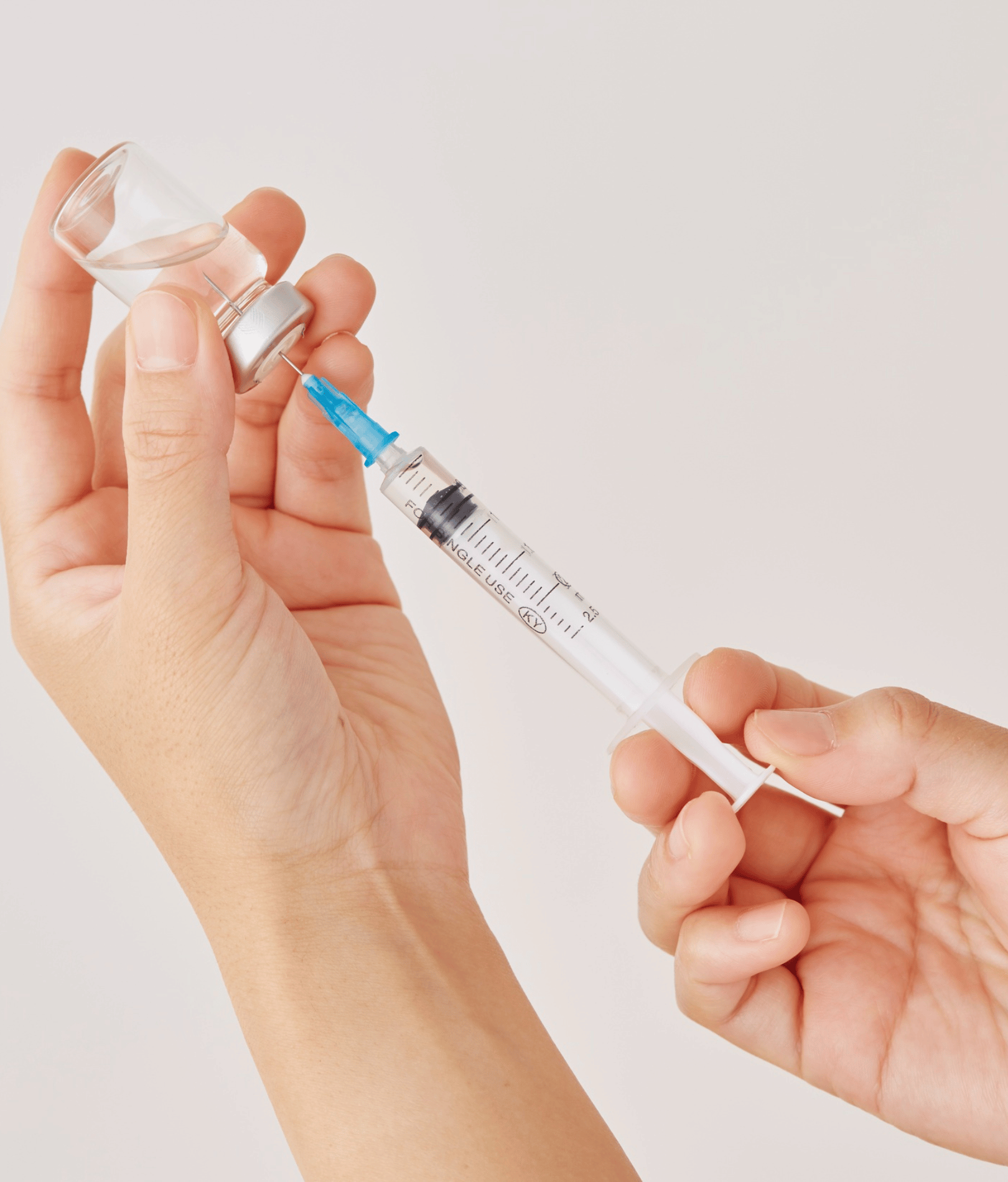
How Korean Dermatologists Combine Ultherapy and Rejuran
Introduction
Ultherapy and Rejuran are two popular aesthetic treatments in South Korea, but they work in different ways. Ultherapy uses focused ultrasound energy to stimulate collagen and improve mild skin laxity, while Rejuran is an injectable skin-rejuvenation treatment commonly used to support skin quality, hydration, and texture.
Because these treatments target different aspects of skin aging, Korean dermatologists may combine them in selected patients rather than relying on only one procedure.
A combination approach may be considered for patients who have:
- Mild facial sagging
- Reduced skin firmness
- Fine lines
- Uneven skin texture
- Dehydrated-looking skin
- Enlarged pores
- Early signs of facial aging
Ultherapy primarily focuses on deeper tissue tightening and collagen stimulation, while Rejuran is generally used to improve skin quality and support a healthier-looking complexion.
South Korea has become a major destination for non-surgical facial rejuvenation because Korean dermatology clinics offer a wide range of energy-based devices and injectable skin treatments. However, the ideal combination, treatment order, and timing should be determined through an individual skin assessment.
The goal is not to use as many treatments as possible. Instead, Korean dermatologists generally aim to match each treatment to a specific concern and create a balanced, natural-looking result.
What Is Ultherapy?
Ultherapy is a non-surgical aesthetic treatment that uses focused ultrasound energy to target selected tissue depths beneath the skin.
The treatment is commonly used for areas such as:
- Lower face
- Jawline
- Neck
- Brow area
- Under-chin region
Ultherapy may stimulate collagen remodeling and improve mild skin laxity over time.
Potential treatment goals include:
- Firmer skin
- Improved jawline definition
- Mild lifting
- Better facial contour
- Gradual collagen stimulation
Ultherapy does not remove significant excess skin and should not be considered a replacement for a surgical facelift in patients with advanced laxity.
What Is Rejuran?
Rejuran is a skin-rejuvenation injectable treatment based on polynucleotide technology.
It is commonly used to support improvements in:
- Skin texture
- Fine lines
- Hydration
- Skin elasticity
- Overall skin quality
Rejuran is often discussed as a skin-quality treatment rather than a traditional volumizing filler.
Depending on the formulation and treatment area, dermatologists may use it for:
- Face
- Under-eye area
- Cheeks
- Neck
- Other areas with selected skin-quality concerns
The exact treatment plan depends on the patient's skin condition and goals.
Why Combine Ultherapy and Rejuran?
Ultherapy and Rejuran address different components of facial aging.
Ultherapy Targets Skin Laxity
Ultherapy may be selected when the primary concerns include:
- Mild sagging
- Loose jawline skin
- Neck laxity
- Reduced facial firmness
Its role is primarily related to deeper collagen stimulation and tissue tightening.
Rejuran Focuses on Skin Quality
Rejuran may be considered when patients are more concerned about:
- Fine lines
- Rough texture
- Dehydrated-looking skin
- Reduced elasticity
- Overall skin condition
It is generally used to support skin quality rather than provide major lifting.
The Combination Addresses Different Concerns
Using both treatments may allow a dermatologist to address:
- Firmness
- Skin texture
- Fine lines
- Elasticity
- Mild facial laxity
The combination is therefore based on complementary treatment goals rather than simply combining two popular procedures.
How Korean Dermatologists Plan Ultherapy and Rejuran
A personalized consultation is usually the first step.
Skin and Facial Assessment
The dermatologist may evaluate:
- Skin elasticity
- Degree of laxity
- Fine lines
- Pore appearance
- Skin texture
- Hydration
- Facial proportions
This helps determine which concerns are most important.
Assessment of Facial Structure
The doctor may also examine:
- Jawline definition
- Cheek position
- Neck laxity
- Under-chin area
- Overall facial contour
This helps determine whether Ultherapy is likely to provide meaningful improvement.
Skin Quality Assessment
Rejuran may be considered when the patient has concerns related to skin quality rather than significant structural sagging.
The dermatologist may assess:
- Dryness
- Fine lines
- Elasticity
- Texture
- Overall skin condition
Which Treatment Is Usually Performed First?
There is no single sequence that applies to every patient.
The order may depend on:
- Skin sensitivity
- Treatment intensity
- Treatment areas
- Degree of inflammation
- Individual recovery
- Dermatologist preference
In some treatment plans, energy-based tightening may be performed before injectable skin rejuvenation. In others, the dermatologist may separate the procedures into different appointments to allow the skin to recover.
The important consideration is not simply which treatment comes first but whether sufficient recovery time is allowed between procedures.
Ultherapy and Rejuran on the Same Day
Some clinics may offer both treatments within the same treatment plan, but performing them on the same day is not automatically appropriate for every patient.
A dermatologist may consider:
- Whether the treatment areas overlap
- Skin sensitivity
- Expected swelling
- Treatment intensity
- Patient recovery history
For some patients, separating the treatments may provide a more comfortable recovery.
Patients should follow the specific protocol recommended by their treating dermatologist.
Ultherapy + Rejuran for the Jawline
The combination may be considered for patients who have both mild jawline laxity and skin-quality concerns.
Ultherapy may target:
- Mild skin laxity
- Lower-face firmness
- Jawline definition
Rejuran may support:
- Skin texture
- Elasticity
- Fine lines
- Overall skin quality
However, neither treatment is designed to remove substantial excess skin.
Patients with advanced jowls or significant loose skin may require surgical evaluation.
Ultherapy + Rejuran for the Neck
The neck can show both skin laxity and surface aging.
Patients may notice:
- Fine lines
- Crepey texture
- Mild loose skin
- Reduced firmness
Ultherapy may be considered for selected patients with mild neck laxity, while Rejuran may be used to address skin-quality concerns.
The combination may therefore provide a more comprehensive non-surgical approach for selected neck-aging patterns.
Ultherapy + Rejuran for Fine Lines
Fine lines can result from:
- Collagen loss
- Repeated facial movement
- Skin dehydration
- Natural aging
Rejuran may be used to support overall skin quality, while Ultherapy may address associated mild laxity.
However, fine lines caused primarily by facial muscle activity may require a different treatment approach.
Ultherapy + Rejuran for Enlarged Pores and Texture
Neither treatment is specifically a pore-removal procedure.
However, improving collagen remodeling and skin quality may make pores and uneven texture appear less noticeable in selected patients.
Dermatologists may combine the treatment plan with:
- RF microneedling
- Fractional laser
- Chemical peels
- Medical skincare
The appropriate combination depends on skin condition.
How Many Ultherapy Sessions Are Needed?
Ultherapy is often performed as a treatment session followed by gradual collagen remodeling.
The number of sessions varies depending on:
- Degree of skin laxity
- Treatment area
- Device settings
- Age
- Individual response
Some patients may choose maintenance treatments later rather than frequent repeated treatment.
A dermatologist should determine the appropriate schedule based on the patient's condition.
How Many Rejuran Treatments Are Needed?
Rejuran is commonly planned as a series of treatments rather than a single permanent procedure.
The number and spacing of sessions depend on:
- Skin condition
- Treatment area
- Desired improvement
- Previous treatments
- Individual response
Multiple sessions may be recommended to support gradual skin-quality improvement.
Is Ultherapy Painful?
Comfort varies between patients.
During treatment, some patients may experience:
- Heat
- Pressure
- Brief sharp sensations
- Tingling
- Tenderness
The experience can depend on treatment depth, energy settings, treatment area, and individual sensitivity.
Patients should discuss comfort-management options with their dermatologist before treatment.
Is Rejuran Painful?
Because Rejuran involves multiple small injections, patients may experience:
- Pinching
- Stinging
- Temporary redness
- Small bumps
- Mild swelling
These effects generally improve as the skin settles.
Clinics may use topical numbing or other comfort measures depending on the treatment plan.
Recovery After Ultherapy and Rejuran
Recovery is generally limited compared with surgery, but the treatments have different short-term effects.
After Ultherapy
Patients may experience:
- Temporary tenderness
- Mild swelling
- Redness
- Sensitivity
- Occasional localized discomfort
Some patients notice gradual changes rather than immediate lifting.
After Rejuran
Patients may experience:
- Small injection bumps
- Redness
- Mild swelling
- Bruising
- Temporary sensitivity
These effects usually improve as the treated skin settles.
When Will Results Appear?
The two treatments develop results differently.
Ultherapy relies largely on gradual collagen remodeling, so improvement may become more noticeable over the following weeks and months.
Rejuran is intended to improve skin quality progressively, with changes becoming more noticeable as treatment sessions and skin remodeling continue.
Results vary significantly between patients.
How Long Do Ultherapy and Rejuran Results Last?
Neither treatment permanently stops the aging process.
Results can be influenced by:
- Age
- Sun exposure
- Skin quality
- Lifestyle
- Natural aging
- Treatment protocol
Some patients choose periodic maintenance treatments based on their goals and dermatologist's recommendations.
Can Ultherapy and Rejuran Replace a Facelift?
For mild aging, these treatments may provide useful non-surgical improvement.
However, they cannot fully reproduce the structural correction achieved by a surgical facelift.
Patients with:
- Significant excess skin
- Advanced jowls
- Severe neck laxity
- Major tissue descent
may require surgical evaluation.
The purpose of Ultherapy + Rejuran is generally gradual rejuvenation rather than surgical-level lifting.
Are Ultherapy and Rejuran Safe Together?
Both treatments have potential side effects and are not appropriate for everyone.
Possible risks can include:
- Temporary swelling
- Redness
- Bruising
- Tenderness
- Skin sensitivity
- Changes in pigmentation
- Uneven results
Ultherapy also has device-specific risks, while injectable treatments carry injection-related risks.
A qualified medical professional should evaluate the patient's health, skin condition, treatment history, and expectations before combining procedures.
Why Choose Korea for Ultherapy and Rejuran?
South Korea is internationally recognized for dermatology and aesthetic medicine.
Advanced Treatment Technologies
Korean clinics commonly offer a wide range of energy-based and injectable treatments.
Patients may have access to:
- Ultherapy
- HIFU
- Thermage
- RF microneedling
- Rejuran
- Pico laser
- Fractional laser
Availability varies between clinics.
Experienced Korean Dermatologists
Korean dermatologists frequently treat:
- Skin laxity
- Fine lines
- Enlarged pores
- Acne scars
- Pigmentation
- Skin texture
- Early facial aging
This experience allows treatment plans to address several aspects of skin aging.
Customized Combination Treatment
Instead of using identical treatment plans for every patient, Korean dermatologists can adjust:
- Energy settings
- Treatment depth
- Injection locations
- Treatment intervals
- Combination procedures
This can help produce more balanced results.
International Patient Support
Many Korean aesthetic clinics provide services for international patients, which may include:
- Online consultations
- Multilingual coordinators
- Treatment planning
- Follow-up guidance
Patients should independently verify the credentials, devices, and treatment protocols of any clinic before treatment.
How to Choose a Korean Dermatologist for Ultherapy and Rejuran
Patients should consider several factors.
Check Medical Qualifications
Choose an appropriately qualified medical professional with experience in both energy-based treatment and injectable skin rejuvenation.
Ask for a Personalized Assessment
A good consultation should explain:
- Your main skin concerns
- Whether you have significant laxity
- Which areas require treatment
- Why Ultherapy or Rejuran is being recommended
Confirm the Treatment Device
For energy-based treatments, ask:
- Which device will be used?
- What treatment depth is planned?
- What level of energy will be delivered?
- What results are realistic?
Discuss Treatment Timing
Ask whether the dermatologist recommends:
- Same-day treatment
- Separate appointments
- Specific recovery intervals
The safest sequence depends on the patient's skin and treatment plan.
Understand Total Cost
Patients should ask whether pricing includes:
- Consultation
- Ultherapy treatment
- Number of shots
- Rejuran treatment
- Numbing
- Follow-up
- Aftercare
International patients should also consider travel and accommodation expenses.
Conclusion
How Korean dermatologists combine Ultherapy and Rejuran depends on the patient's individual skin condition and aesthetic goals.
Ultherapy primarily targets mild skin laxity and deeper collagen remodeling, while Rejuran focuses more on skin quality, texture, hydration, and elasticity. Combining them may provide a broader non-surgical approach to early facial aging.
The treatments may be performed during separate appointments or as part of a coordinated treatment plan, depending on skin sensitivity, treatment areas, and the dermatologist's assessment.
South Korea offers advanced options for patients seeking non-surgical facial rejuvenation. With experienced dermatologists, modern treatment technologies, and customized combination protocols, Korean clinics can help patients achieve gradual, natural-looking improvements without traditional surgery.
For patients with significant skin laxity or advanced facial aging, however, a surgical facelift may provide more substantial structural correction.
FAQs
What is the benefit of combining Ultherapy and Rejuran?
The combination targets different aspects of aging: Ultherapy focuses on collagen stimulation and mild laxity, while Rejuran focuses on skin quality and texture.
Can Ultherapy and Rejuran be done together?
They may be combined in a treatment plan, but the timing depends on the patient's skin, treatment areas, and dermatologist's protocol.
Which is better, Ultherapy or Rejuran?
Neither is universally better. Ultherapy is more focused on tightening and mild lifting, while Rejuran is primarily focused on skin quality and rejuvenation.
Is Ultherapy painful?
Some patients experience heat, pressure, tingling, or brief discomfort during treatment. Comfort varies according to treatment settings and individual sensitivity.
Is Rejuran painful?
Rejuran involves multiple injections and may cause temporary stinging, redness, swelling, or small bumps. Topical numbing may be used.
How long does it take to see results from Ultherapy and Rejuran?
Results develop gradually. Ultherapy relies on collagen remodeling, while Rejuran generally improves skin quality progressively through treatment and recovery.
How many Ultherapy sessions do I need?
The number of sessions depends on skin laxity, treatment area, device settings, and individual response. A dermatologist should determine the schedule.
How many Rejuran sessions are needed?
A series of treatments may be recommended depending on skin condition and goals. The exact number and interval should be individualized.
Can Ultherapy and Rejuran replace a facelift?
They may improve mild aging without surgery, but they cannot fully reproduce the structural lifting achieved by a surgical facelift.
Why choose Korea for Ultherapy and Rejuran?
Korea is known for advanced dermatology, experienced aesthetic physicians, and customized non-surgical facial rejuvenation.
How do I choose a Korean clinic for Ultherapy and Rejuran?
Choose an appropriately qualified medical provider with experience in both treatments, transparent treatment planning, realistic expectations, and clear aftercare guidance.