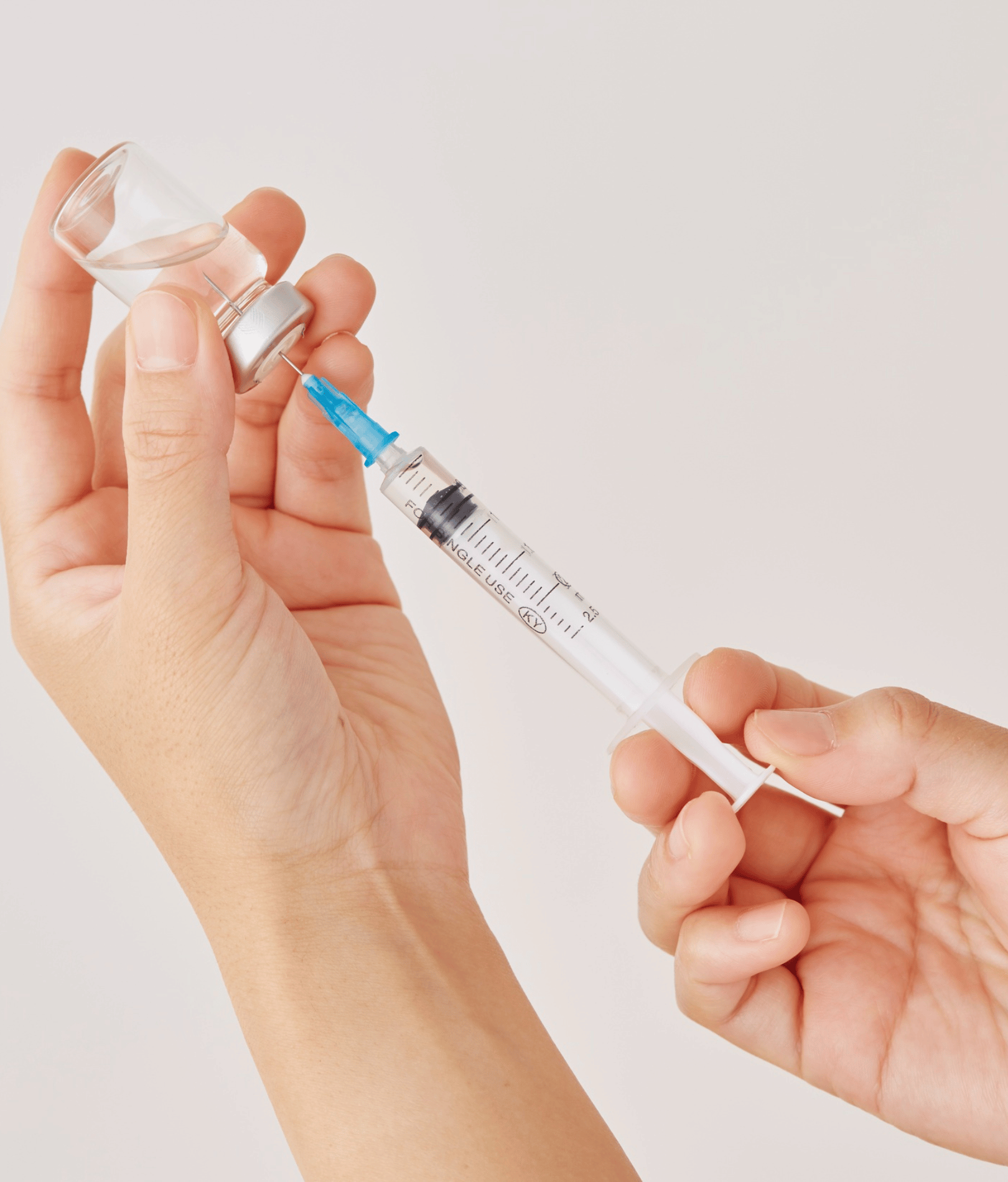
Women's Health During Travel: Korea Medical Guide
Introduction
Travelling to South Korea can be an exciting experience, but changes in climate, food, sleep, activity levels, stress, and daily routines can sometimes affect women's health.
For international visitors and expats, knowing how to access medical care in Korea can make a trip much easier, especially when unexpected symptoms occur. Women may need medical attention for menstrual problems, urinary infections, vaginal symptoms, contraception, pregnancy-related concerns, gastrointestinal illness, allergies, or other health issues while travelling.
South Korea has a well-developed healthcare system and a growing medical tourism sector. Medical Korea reported approximately 1.17 million foreign patients from 202 countries receiving medical services in Korea in 2024.
Women travelling to Korea can access general hospitals, gynecology clinics, health screening centers, pharmacies, urgent care services, and hospitals with international healthcare centers.
The key is knowing when to seek routine care, when symptoms require urgent evaluation, how to communicate with healthcare providers, and how to prepare before travelling.
This guide explains how women can protect their health while travelling in Korea and what to know about accessing medical care in Seoul, Gangnam, and other parts of the country.
Why Women's Health Can Change During Travel
Changes in Routine
Travel often changes normal habits.
Women may experience:
- Different sleeping schedules
- Long flights
- Increased walking
- Dietary changes
- Dehydration
- Stress
- Reduced sleep
- Increased alcohol consumption
- Changes in exercise
- Different menstrual routines
These changes do not necessarily indicate illness, but they can sometimes contribute to temporary symptoms.
Menstrual Changes During Travel
Travel-related stress, disrupted sleep, changes in routine, and other factors can sometimes affect the menstrual cycle.
You may notice:
- A period arriving earlier or later
- Changes in menstrual flow
- Increased cramps
- Spotting
- Temporary cycle irregularity
However, significant or persistent changes should be discussed with a healthcare professional.
Common Women's Health Problems While Travelling in Korea
Urinary Tract Infections
Urinary tract infections can occur while travelling and may cause:
- Burning during urination
- Frequent urination
- Urgency
- Lower abdominal discomfort
- Cloudy or unusual-smelling urine
Fever, chills, vomiting, back or flank pain, or feeling seriously unwell can indicate a more significant infection and should prompt medical evaluation.
Do not rely solely on over-the-counter products if symptoms are severe or worsening.
Vaginal Infections
Changes in discharge, itching, irritation, or unusual odor may be caused by several different conditions.
Possible causes include:
- Yeast infection
- Bacterial vaginosis
- Sexually transmitted infections
- Irritation
- Other gynecological conditions
Because symptoms can overlap, a medical evaluation may be more useful than assuming the cause and self-treating.
Period Pain
Travelling can make menstrual cramps more difficult to manage because of long days, walking, sightseeing, and limited access to familiar medications.
Women with severe or unusual menstrual pain should not automatically assume that it is simply a normal period.
Persistent severe pain can sometimes be associated with conditions such as endometriosis, adenomyosis, or fibroids.
Women's Health Services Available in Korea
Gynecology Clinics
Gynecology clinics can provide evaluation for issues involving:
- Menstrual problems
- Pelvic pain
- Vaginal symptoms
- Urinary symptoms
- Contraception
- Cervical screening
- Pregnancy concerns
- Menopause
- Fertility
- General women's health
For visitors staying in Seoul, choosing a clinic with international-patient support can make communication easier.
General Hospitals
Large hospitals can provide more comprehensive medical services when symptoms require specialist evaluation or diagnostic testing.
Many major Korean hospitals operate international healthcare centers designed to assist foreign patients with reservations, treatment, interpretation, and follow-up.
Health Screening Centers
Women who are staying in Korea for longer periods may also consider preventive health screening.
Depending on age and medical history, this could include:
- General health screening
- Cervical screening
- Breast health evaluation
- Blood testing
- Gynecological consultation
Preventive screening should be planned according to medical need rather than simply adding every available test.
Women's Health Care in Gangnam
Why Gangnam Is Popular With International Patients
Gangnam has a large concentration of private medical clinics and healthcare providers, including facilities serving international patients.
Women may find clinics offering:
- Gynecology
- Dermatology
- Women's health screening
- Fertility consultations
- Menopause care
- Sexual health services
- Preventive health examinations
However, location should not be the only factor when choosing a medical provider.
Look for International Patient Services
International visitors may benefit from clinics offering:
- English-speaking staff
- Multilingual coordinators
- Interpreter services
- English medical reports
- Online appointment booking
- Clear pricing
- Follow-up support
Medical Korea maintains a registration system for medical institutions serving foreign patients. Patients can check whether a provider is registered before arranging treatment.
What to Do Before Travelling to Korea
Review Your Medical History
Before travelling, make sure you know:
- Current medications
- Allergies
- Major medical conditions
- Previous surgeries
- Recent test results
- Vaccination history
- Relevant gynecological history
A short medical summary can be useful if you need unexpected treatment abroad.
Pack Your Regular Medication
Bring enough medication for the entire trip when possible.
Keep medications in their original packaging and carry documentation for prescription medicines when appropriate.
Do not assume that a medication available in your home country will be sold under the same name or formulation in Korea.
Bring Important Medical Documents
International travellers may find it useful to carry:
- Prescription information
- Medication list
- Allergy information
- Recent laboratory reports
- Previous imaging reports
- Pregnancy-related records when relevant
- Insurance information
Digital copies can provide a backup.
Women's Health During Long Flights to Korea
Stay Hydrated
Long-haul flights can make it easy to become dehydrated.
Drink fluids regularly and consider limiting excessive alcohol.
Move Regularly
Long periods of sitting can contribute to discomfort and swelling.
When appropriate, get up periodically, move your legs, and follow general airline recommendations for long-distance travel.
Consider Your Individual Risk
Women with a history of blood clots, certain medical conditions, recent surgery, pregnancy, or other risk factors should discuss long-distance travel with their healthcare professional before flying.
Do not assume that general travel advice applies equally to everyone.
Managing Periods While Travelling in Korea
Bring Familiar Menstrual Products
Although menstrual products are widely available in Korea, you may prefer to bring products you already know how to use.
Pack enough supplies for the early part of your trip.
Track Your Cycle
A period-tracking app can help you anticipate menstruation while travelling.
This can be particularly useful when planning:
- Long flights
- Hiking
- Swimming
- Spa visits
- Medical appointments
- Outdoor activities
When Period Changes Need Medical Attention
Seek medical advice if you experience:
- Extremely heavy bleeding
- Severe pelvic pain
- Fainting or significant weakness
- Persistent bleeding between periods
- Bleeding after menopause
- A missed period with possible pregnancy
Unexpected or severe symptoms should not simply be attributed to travel.
Contraception and Sexual Health in Korea
Contraception Consultations
Women who need contraception during their trip can discuss available options with a Korean gynecologist.
Depending on the situation, a doctor may discuss:
- Oral contraceptives
- Emergency contraception
- Condoms
- Long-acting contraception
- Other medically appropriate options
Availability and prescribing requirements can vary, so it is useful to plan ahead.
Emergency Contraception
If emergency contraception may be needed, seek medical advice promptly because timing can affect which options are appropriate.
Do not wait until the end of your trip if you have an urgent contraception concern.
Sexually Transmitted Infection Testing
Women who are concerned about STI exposure can seek confidential medical evaluation.
Testing may include assessment for infections such as:
- HIV
- Syphilis
- Chlamydia
- Gonorrhea
- Hepatitis B
- Other infections when medically appropriate
The correct testing plan depends on the exposure, timing, symptoms, and individual medical history.
Pregnancy-Related Medical Care While Travelling
If You Are Pregnant
Pregnant travellers should plan their trip according to their individual health and pregnancy stage.
Before travelling, discuss:
- Travel safety
- Existing medical conditions
- Medications
- Pregnancy-related complications
- Travel insurance
- Access to medical care at the destination
If You Become Pregnant During Your Trip
If you have a positive pregnancy test while in Korea, a gynecology clinic can provide pregnancy-related evaluation.
Depending on gestational age and symptoms, the doctor may discuss:
- Pregnancy testing
- Ultrasound
- Medication safety
- Prenatal care
- Travel considerations
- Follow-up
Severe abdominal pain, heavy bleeding, fainting, or other serious symptoms require urgent medical evaluation.
Breast Health During Travel
Breast Symptoms
If you notice a new breast lump, unusual nipple discharge, skin changes, or persistent breast pain during your trip, arrange a medical assessment.
Do not delay evaluation simply because you are travelling.
Breast Screening
Routine breast screening should generally follow age and risk-based recommendations rather than being performed simply because you are visiting Korea.
If you already have a scheduled screening requirement, bring previous mammography or ultrasound records when possible.
When Should You Visit a Korean Pharmacy?
Minor Health Problems
Pharmacies can be useful for some minor health concerns and can help you identify locally available products.
However, pharmacists may not be able to diagnose conditions that require medical examination.
When a Doctor Is Better
Seek medical evaluation rather than relying solely on pharmacy treatment when you have:
- Severe pain
- High fever
- Persistent vomiting
- Heavy bleeding
- Pregnancy-related symptoms
- Significant urinary symptoms
- Severe allergic reactions
- Symptoms that are rapidly worsening
How to Find Medical Care as an International Visitor
Use Registered Medical Institutions
Medical Korea provides a registration system for institutions serving foreign patients. Its system is intended to help international patients identify registered providers and improve safety and transparency.
Patients should verify the clinic or hospital's registration when seeking medical tourism services.
International Medical Centers
Large hospitals may have international healthcare centers that assist foreign visitors with appointments, interpretation, treatment coordination, and follow-up.
This can be particularly helpful if you need specialist care or do not speak Korean.
What to Do in a Medical Emergency
Call 119
For a serious medical emergency in Korea, call 119 for emergency rescue and ambulance services.
Korea Tourism Organization guidance states that international visitors can call 119 for fire and medical emergencies. If you do not speak Korean, you can request an interpreter after the call connects.
Use 1330 for Travel Assistance
The 1330 Korea Travel Hotline can assist international visitors with travel-related questions and connect them with relevant services.
It provides multilingual assistance and can help connect travellers with emergency or other public services when appropriate.
Medical Korea Information Center
Medical Korea operates information centers in Seoul and at Incheon Airport that provide information about medical services and assistance in multiple languages.
The Medical Korea Information Center lists a medical call service at +82-2-1577-7129, available daily during its published operating hours.
Health Insurance for Women Travelling in Korea
Travel Insurance
International visitors should consider travel insurance that covers medical treatment in South Korea.
Before travelling, check:
- Emergency treatment coverage
- Hospitalization coverage
- Prescription coverage
- Pregnancy-related exclusions
- Pre-existing condition exclusions
- Medical evacuation coverage
- Deductibles
- Claim procedures
Do not assume that your domestic health insurance automatically covers treatment overseas.
Medical Tourism and Insurance
If you are travelling specifically to Korea for planned medical treatment, confirm whether your insurance covers elective treatment.
Medical tourism procedures may be excluded from ordinary travel insurance.
Language Barriers and Medical Communication
Prepare Key Medical Information
If you do not speak Korean, prepare a short written summary containing:
- Your symptoms
- When they started
- Current medications
- Allergies
- Relevant medical history
- Pregnancy status if applicable
A translation app can also be useful for basic communication.
Ask for Written Instructions
After a consultation, ask the clinic for written instructions about:
- Medication
- Dosage
- Follow-up
- Warning signs
- Activity restrictions
- When to return
Written information can be especially valuable after returning home.
How Much Does Women's Medical Care Cost in Korea?
Costs Vary
There is no single price for women's healthcare during travel.
Costs can depend on:
- Clinic versus hospital
- Consultation
- Laboratory tests
- Ultrasound
- Prescription medication
- Emergency care
- Specialist consultation
- Imaging
- Procedures
- Insurance coverage
International patients should ask about expected costs before non-emergency treatment when possible.
Ask for an Itemized Estimate
Before paying for planned care, ask:
- What is the consultation fee?
- Which tests are included?
- Are laboratory fees separate?
- Is medication included?
- Is follow-up included?
- Are interpretation services charged separately?
This can make medical expenses easier to understand.
Tips for Staying Healthy During a Korea Trip
Stay Hydrated
Drink enough fluids, particularly during long days of walking and sightseeing.
Protect Your Sleep
Try to maintain a reasonable sleep schedule while adjusting to the time difference.
Eat Safely
Choose food from reputable establishments and maintain normal dietary habits where possible.
If severe diarrhea, vomiting, fever, or dehydration develops, seek medical advice.
Protect Your Skin
Korea can have strong seasonal weather conditions.
Use appropriate sun protection and protect yourself from extreme heat or cold depending on the season.
Avoid Ignoring Persistent Symptoms
Travel can make people reluctant to interrupt their itinerary.
However, persistent or worsening symptoms are a good reason to seek medical care rather than continuing to sightsee.
Women's Health Checklist Before Travelling to Korea
Medical Preparation
- Review your medications
- Check allergies
- Bring important medical records
- Confirm travel insurance
- Pack necessary prescription medicines
- Save emergency contacts
- Identify nearby medical facilities
Gynecological Preparation
- Track your menstrual cycle
- Bring menstrual products
- Carry contraception if needed
- Review pregnancy plans
- Bring previous gynecological records
- Know where to seek care if symptoms develop
Conclusion
Women's health during travel requires a combination of preparation, awareness, and knowing when to seek professional care.
South Korea offers a broad healthcare infrastructure, including gynecology clinics, general hospitals, international healthcare centers, pharmacies, and registered medical institutions serving foreign patients. Medical Korea's registration system can help international patients identify providers that are formally registered to serve foreign patients.
Women travelling to Korea should prepare their medications and medical documents before departure, understand their travel insurance, and know how to access medical assistance if symptoms develop.
For routine concerns such as menstrual problems, contraception, vaginal symptoms, urinary symptoms, or preventive gynecological care, a women's health or gynecology clinic may be appropriate. More serious symptoms may require a hospital or emergency service.
Most importantly, do not allow a busy travel itinerary to delay care for severe or worsening symptoms. For life-threatening medical emergencies in Korea, call 119 and request an interpreter if necessary.
With reasonable preparation and knowledge of the local healthcare system, women can enjoy their time in Korea while being better prepared to manage unexpected health concerns.
FAQs About Women's Health During Travel in Korea
Can foreigners receive women's healthcare in Korea?
Yes. International visitors can receive medical care in Korea, including gynecological consultations, diagnostic testing, emergency care, and hospital treatment. Many major hospitals also operate international healthcare centers.
Can I see a gynecologist in Korea as a tourist?
Yes. International visitors can arrange appointments with gynecology clinics and hospitals. Availability, language support, and payment arrangements vary by provider.
What should I do if I get a UTI while travelling in Korea?
Seek medical evaluation, particularly if symptoms are severe, worsening, or accompanied by fever, vomiting, back pain, or chills. A doctor can determine whether testing and prescription treatment are appropriate.
Can I get STI testing in Korea?
Yes. Gynecology clinics and other medical facilities can provide STI evaluation and testing when medically appropriate.
Can I get contraception in Korea?
Women can discuss contraception with a Korean healthcare professional. The appropriate option depends on medical history, pregnancy plans, and the specific medication or device.
What should I do if I become pregnant while travelling in Korea?
Contact a gynecology clinic for pregnancy-related evaluation and advice. Seek urgent care for heavy bleeding, severe abdominal pain, fainting, or other serious symptoms.
What is the emergency medical number in Korea?
For medical emergencies, call 119. International visitors can request an interpreter after the call connects.
Is there an English-speaking medical service in Korea?
Many major hospitals have international healthcare centers with interpretation support. Medical Korea also provides multilingual information and assistance for foreign patients.
How can I find a clinic for international patients in Korea?
Check whether the medical institution is registered to serve foreign patients through Medical Korea's official registration system.
Should I buy travel insurance for a trip to Korea?
International travellers should consider insurance that covers medical emergencies and hospitalization in Korea. Check exclusions carefully, especially for pre-existing conditions, pregnancy, and planned medical treatment.
Can I get women's health screening while travelling in Korea?
Yes, depending on the clinic and your medical needs. Gynecology clinics and health screening centers may offer services such as cervical screening, ultrasound, laboratory testing, and preventive consultations.
What medical documents should I bring to Korea?
Bring a medication list, allergy information, relevant medical history, recent test results, prescriptions, vaccination records, and previous gynecological reports when applicable.