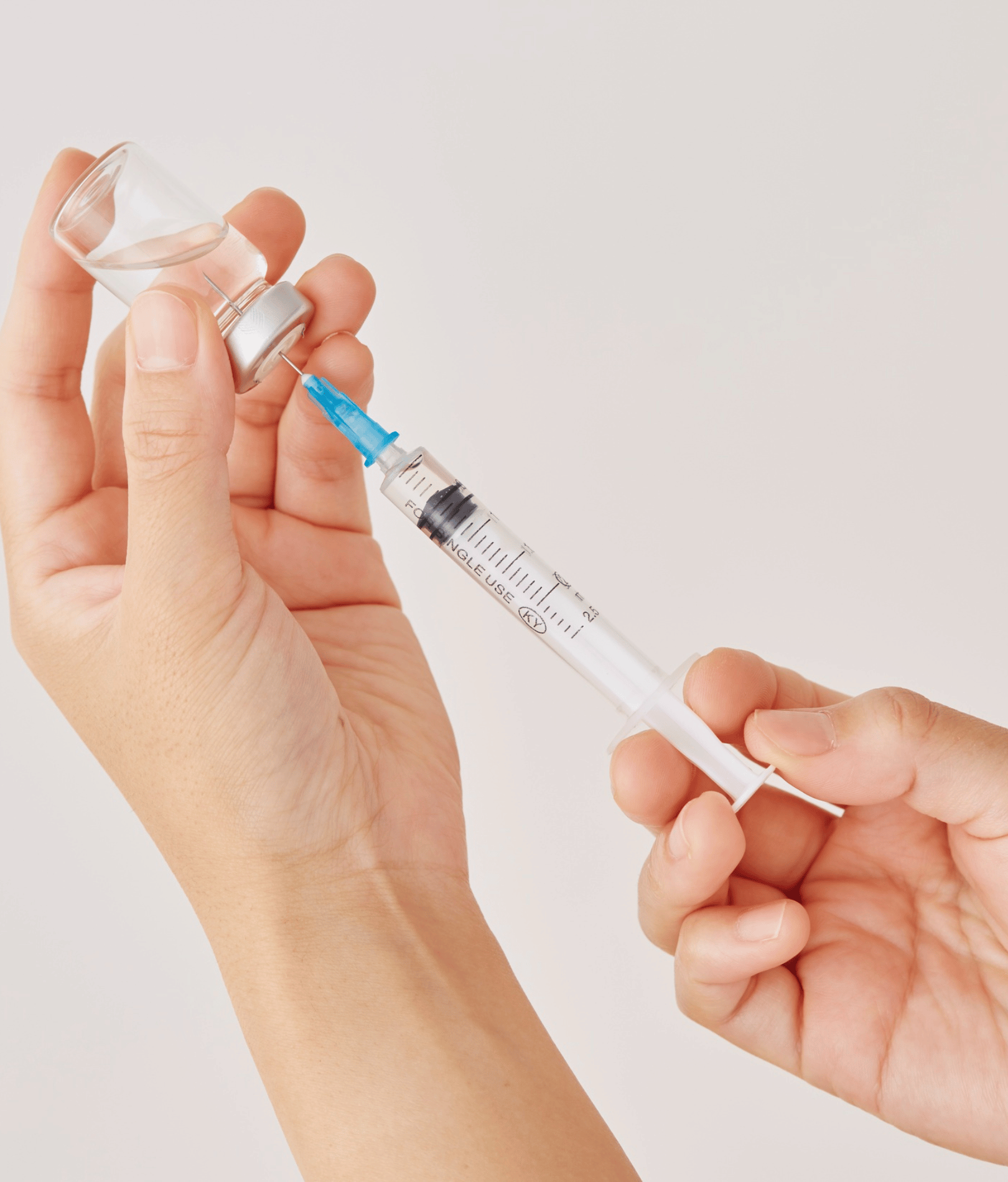
Korean Chin Filler Techniques: A Guide for Patients
Introduction
Korean chin filler has become a popular non-surgical option for people who want to improve chin projection, facial proportions, or lower-face definition without undergoing chin surgery. In Korea, aesthetic clinics often use carefully planned filler techniques to create a more balanced profile while maintaining natural-looking facial proportions.
The goal is not always to make the chin larger. Depending on the patient's anatomy, filler may be used to add subtle projection, improve chin length, soften a recessed appearance, or create better harmony between the chin, lips, nose, and jawline.
For international patients considering chin filler in Korea, understanding the techniques used, what filler can realistically change, and how providers plan treatment is important before booking a procedure.
What Is Korean Chin Filler?
A non-surgical chin contouring treatment
Chin filler involves injecting a gel-like dermal filler into carefully selected areas of the chin.
Most commonly, hyaluronic acid-based fillers are used because they can provide structure and volume and, when appropriate, can be dissolved with an enzyme.
The treatment can potentially improve:
- Chin projection
- Chin length
- Chin shape
- Facial symmetry
- Lower-face proportions
- Side-profile balance
Why facial proportions matter
A chin should not be assessed separately from the rest of the face.
The ideal amount of projection depends on factors such as:
- Nose projection
- Lip position
- Jawline shape
- Chin width
- Facial length
- Overall facial balance
This is why a personalized assessment is important.
How Korean Chin Filler Techniques Differ
Projection-focused technique
Some patients primarily need forward projection.
Filler may be strategically placed in deeper tissue layers to create a more projected chin without excessive surface volume.
Lengthening technique
A short-looking chin may benefit from carefully placed filler that creates the visual impression of additional vertical length.
The amount and placement need to be controlled to avoid making the chin look overly long.
Width-balancing technique
Some patients have a narrow or pointed chin, while others have a broad lower face.
Filler can sometimes be used to adjust the visual shape of the chin and create better proportional balance.
Contour refinement
Small amounts of filler may be used to smooth irregularities or improve the transition between the chin and surrounding facial structures.
Chin Filler for a Recessed Chin
Improving chin projection
A recessed chin is one of the common reasons patients consider chin filler.
By adding carefully positioned volume, filler can make the chin appear more forward.
This may improve:
- Side-profile balance
- Lower-face proportions
- Jawline appearance
- Relationship between the chin and lips
Filler cannot replace bone
Chin filler does not permanently move or reshape the mandible.
Patients with significant skeletal retrusion may require a surgical or orthodontic evaluation rather than relying solely on filler.
Korean Chin Filler for V-Line Facial Contouring
Supporting a tapered appearance
Korean aesthetic treatments often emphasize balanced, tapered facial contours.
Chin filler may contribute to this appearance by adding appropriate projection and creating a more defined lower facial endpoint.
However, filler alone cannot reduce a wide jawbone.
Avoiding an overly pointed chin
Adding too much filler to the center of the chin can produce an unnatural pointed appearance.
Experienced providers generally consider the entire lower face rather than simply maximizing projection.
Chin Filler for a Short Chin
Creating visual length
Patients with a short chin may want additional vertical definition.
Strategic filler placement can sometimes make the chin appear longer.
The goal should be proportional improvement rather than simply adding volume.
Chin Filler for Facial Asymmetry
Small differences can sometimes be corrected
Minor chin asymmetry may be improved with carefully placed filler.
A provider may use slightly different amounts on each side to improve visual balance.
However, significant skeletal asymmetry may require a different approach.
Korean Chin Filler and Jawline Definition
Creating a smoother transition
The chin and jawline work together visually.
In selected patients, filler can be used to improve the transition between the chin and jawline.
Depending on the anatomy, other treatments may be more appropriate for:
- Jawline laxity
- Excess fat
- Masseter enlargement
- Significant skeletal width
How Chin Filler Is Performed in Korea
Step 1: Facial assessment
The provider evaluates the face from:
- Front
- Side
- Three-quarter angles
The relationship between the nose, lips, chin, and jawline is especially important.
Step 2: Treatment planning
The provider determines where filler should be placed and how much volume is appropriate.
The goal is usually controlled enhancement rather than maximum volume.
Step 3: Injection
Filler is placed into selected areas using an appropriate needle or cannula technique.
The exact technique varies according to anatomy and product.
Step 4: Final assessment
The provider evaluates the contour and symmetry after injection.
Some swelling may temporarily affect the immediate appearance.
How Much Chin Filler Is Needed?
There is no universal amount
The amount depends on:
- Existing chin projection
- Desired result
- Filler type
- Facial proportions
- Previous filler
- Skin and soft-tissue anatomy
More filler does not necessarily produce a better result.
Why conservative treatment can be beneficial
Small changes can make a significant difference to facial balance.
Using too much filler may create:
- Excessive projection
- A heavy lower face
- An overly pointed chin
- An unnatural profile
Chin Filler Before and After
What may improve
Before-and-after images may show:
- Increased chin projection
- Better side-profile balance
- Improved lower-face proportions
- A more defined chin contour
- Smoother jawline transitions
Results depend on anatomy
Two patients receiving similar filler amounts can have very different outcomes.
The starting anatomy matters considerably.
When Do Chin Filler Results Appear?
Immediate volume with temporary swelling
Some improvement is visible immediately because filler provides volume right away.
However, swelling can temporarily make the chin appear larger than the intended final result.
Final appearance develops after recovery
The treated area generally settles as swelling decreases.
Patients should avoid judging the final outcome immediately after the injection.
How Long Does Korean Chin Filler Last?
Temporary but relatively durable
The duration depends on:
- Filler material
- Injection location
- Product characteristics
- Individual metabolism
- Facial movement
- Amount injected
Hyaluronic acid fillers gradually break down over time.
Maintenance may be considered when the effect decreases.
Korean Chin Filler vs Chin Implant
Filler is non-surgical
Chin filler does not require an incision or implant.
It can be useful for patients who want to test a new chin shape or prefer a temporary approach.
Chin implants are different
A chin implant provides a more permanent structural change.
Patients seeking significant projection may need to discuss surgical options with a qualified plastic surgeon.
Korean Chin Filler vs Sliding Genioplasty
Different levels of correction
Sliding genioplasty changes the position of the chin bone surgically.
It may be considered for significant skeletal concerns.
Chin filler is better suited to smaller, non-surgical contouring changes.
Chin Filler vs Jaw Botox
Different treatment goals
Chin filler adds volume and projection.
Jaw Botox reduces masseter muscle activity and can decrease muscular width.
They may sometimes be used together, but they address different anatomical issues.
Is Korean Chin Filler Painful?
Usually manageable
Many fillers contain a local anesthetic, and clinics may also use topical numbing.
Patients may experience:
- Pinching
- Pressure
- Stinging
- Temporary tenderness
Pain levels vary.
Recovery After Chin Filler
Minimal downtime for many patients
Patients may experience:
- Swelling
- Bruising
- Tenderness
- Mild redness
These effects usually improve progressively.
Your provider should give specific aftercare instructions.
Potential Risks of Chin Filler
Common temporary effects
Common effects include:
- Swelling
- Bruising
- Redness
- Tenderness
- Mild asymmetry during early healing
Rare but serious complications
Dermal filler injections carry rare but potentially serious risks, including vascular occlusion and tissue injury.
The chin contains important blood vessels and anatomical structures, so treatment should only be performed by an appropriately qualified medical professional with knowledge of facial vascular anatomy.
Seek urgent medical attention if you experience unusual severe pain, significant skin discoloration, or visual symptoms after filler treatment.
How to Choose a Korean Chin Filler Clinic
Look for anatomy-focused treatment
A good provider should evaluate your entire face rather than simply asking how much filler you want.
Important considerations include:
- Facial proportions
- Profile
- Chin width
- Jawline
- Existing filler
- Previous procedures
Ask about the product
Before treatment, confirm:
- Filler brand
- Filler type
- Amount being used
- Expiration and product authenticity
- Whether the product is approved for the intended use
Questions to Ask Before Chin Filler
During your consultation
Ask:
- Is filler appropriate for my chin structure?
- How much projection do I realistically need?
- Where will the filler be placed?
- Which filler product will you use?
- How long should it last?
- What swelling should I expect?
- What are the potential complications?
- What should I avoid after treatment?
- How is an emergency vascular complication handled?
- Will I need a follow-up appointment?
Chin Filler for International Patients in Korea
Plan around your travel schedule
International patients should allow time for early swelling and bruising to settle before important events or photographs.
Avoid scheduling treatment immediately before a long-haul flight or major event without discussing timing with your provider.
Keep your treatment records
Ask the clinic to provide information about:
- Product used
- Treatment date
- Amount administered
- Injection area
This information can be useful for future treatment.
How Much Does Chin Filler Cost in Korea?
Prices vary by clinic and product
The cost can depend on:
- Filler brand
- Amount used
- Provider
- Clinic location
- Treatment complexity
- Promotional packages
Premium or specialized filler products may have different pricing.
Do not choose based only on price
A low-cost treatment is not necessarily a better value if the clinic uses an unsuitable product or lacks appropriate medical expertise.
Who Is a Good Candidate for Korean Chin Filler?
Suitable candidates
Chin filler may be appropriate for adults who want:
- Mild to moderate chin enhancement
- Better facial proportions
- More projection
- Temporary contouring
- Non-surgical facial balancing
When filler may not be enough
Patients with major skeletal abnormalities, significant asymmetry, or substantial chin retrusion may need a surgical or orthodontic evaluation.
Conclusion
Korean chin filler techniques focus on improving facial balance rather than simply adding volume.
Depending on the patient's anatomy, filler can be used to enhance forward projection, create the appearance of additional chin length, improve minor asymmetry, refine the chin contour, or support a more balanced lower-face profile.
The best results usually come from careful assessment, conservative treatment planning, appropriate filler selection, and precise placement.
Chin filler is temporary and cannot replace procedures that change the underlying jawbone. Patients with significant skeletal concerns should discuss surgical alternatives with a qualified specialist.
For international patients considering chin filler in Korea, choosing a medically qualified provider with strong knowledge of facial anatomy is more important than selecting a clinic based solely on price or promotional packages.
FAQs
What is Korean chin filler?
Korean chin filler is a non-surgical injectable treatment used to enhance chin projection, shape, length, or facial proportions.
Can chin filler make the face look slimmer?
It may improve facial proportions and create a more balanced lower-face appearance. However, it does not remove facial fat or reduce the jawbone.
Can chin filler create a V-line face?
It can contribute to a more tapered appearance by improving chin projection and proportions, but it cannot directly reduce a wide jawbone.
How long does Korean chin filler last?
The duration varies according to the filler product, injection area, individual metabolism, and other factors. Hyaluronic acid fillers gradually break down over time.
Is chin filler painful?
Patients may experience mild pinching, pressure, or stinging. Many fillers contain local anesthetic, and clinics may provide additional numbing.
Can chin filler correct asymmetry?
Small asymmetries may sometimes be improved with carefully placed filler. Significant skeletal asymmetry may require another treatment approach.
How much chin filler do I need?
There is no standard amount. The appropriate volume depends on your anatomy, facial proportions, filler product, and desired result.
Is chin filler safer than chin surgery?
Filler avoids surgical incisions and has a different risk profile, but it is still a medical procedure with potential complications. Rare vascular complications can be serious.
Can chin filler replace a chin implant?
For subtle or moderate enhancement, filler may provide an alternative to an implant. Significant structural correction may require surgery.
Can chin filler be dissolved?
Many hyaluronic acid fillers can be treated with an enzyme called hyaluronidase. However, dissolving filler should only be performed by an appropriately qualified medical professional.
When can I see my final chin filler result?
Some improvement is visible immediately, but swelling can temporarily affect the shape. The final appearance becomes clearer after the treated area settles.
What should international patients know before getting chin filler in Korea?
Research the provider, confirm the filler product, discuss your facial proportions and goals, understand the risks, and allow enough time for swelling or bruising to settle before traveling or attending important events.