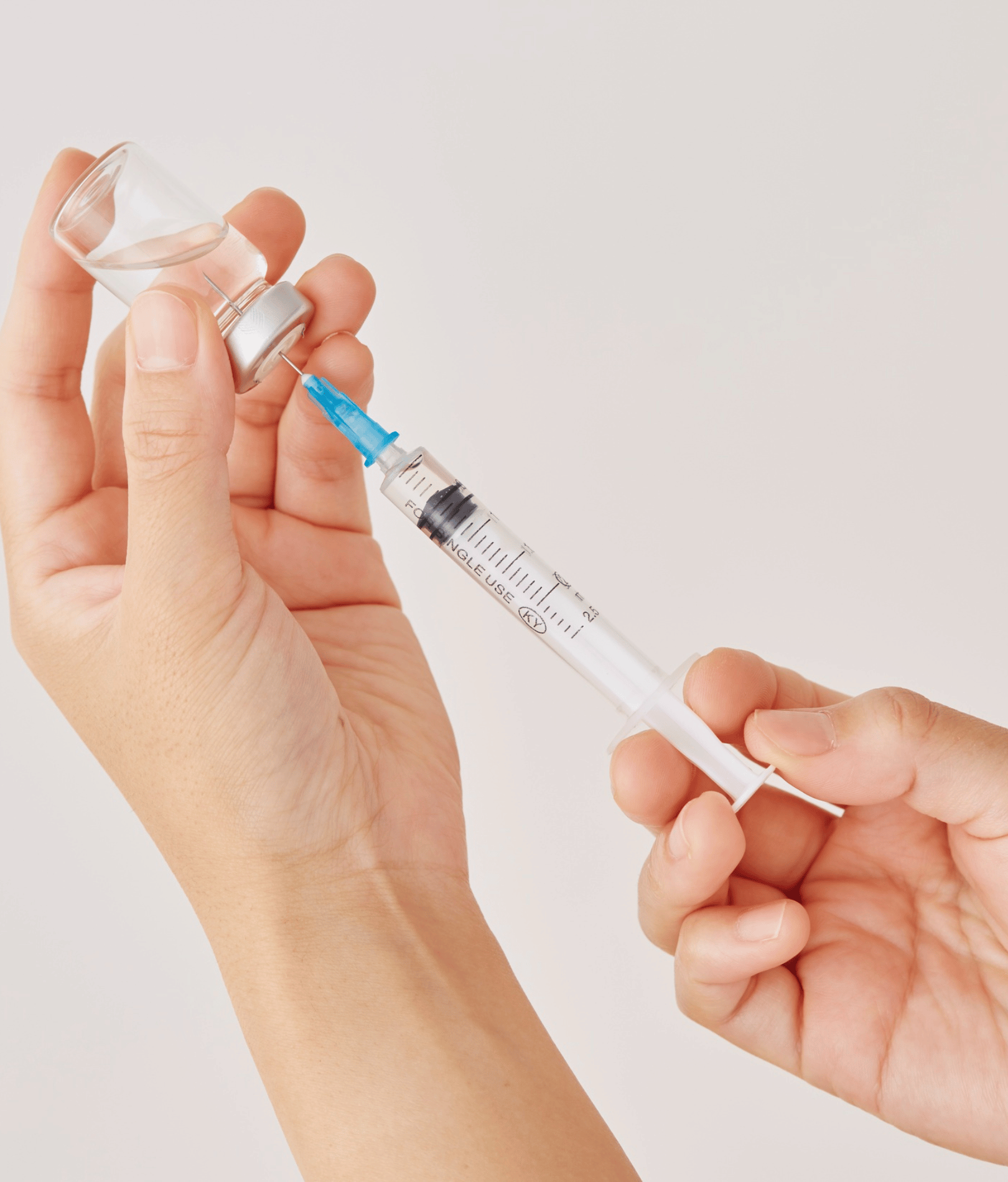
Korean Exosome Skin Treatments Explained: Benefits & Risks
Introduction
Exosome skin treatments have become increasingly visible in Korean aesthetic dermatology, particularly among patients looking for non-surgical approaches to improve skin texture, hydration, elasticity, and signs of aging. Clinics in Seoul and Gangnam may offer exosome-based treatments alongside lasers, microneedling, RF procedures, and other skin-rejuvenation therapies.
Exosomes are tiny extracellular vesicles involved in cell-to-cell communication. In cosmetic and regenerative medicine, they are being investigated for their potential role in signaling processes associated with tissue repair, inflammation, and skin regeneration. However, the science is still developing, and not every product marketed as an “exosome treatment” has the same composition, evidence, or regulatory status.
For international patients considering Korean exosome skin treatments, understanding both the potential benefits and limitations is important. Marketing claims can sometimes sound more definitive than the available clinical evidence supports.
This guide explains what exosome treatments are, how they are used in Korean dermatology, potential benefits, risks, treatment methods, recovery, cost factors, and what patients should ask before choosing a clinic.
What Are Exosomes?
Small extracellular vesicles
Exosomes are microscopic extracellular vesicles released by cells.
They can carry various biological molecules involved in cell signaling and communication.
Researchers are studying their potential roles in processes such as:
- Tissue repair
- Inflammation
- Cell signaling
- Wound healing
- Regeneration
In aesthetic medicine, these properties have generated interest in whether exosome-derived products could support skin rejuvenation.
Exosomes are not stem cells
One common misunderstanding is that exosomes and stem cells are the same thing.
They are not.
Exosomes are vesicles released by cells, while stem cells are living cells with the ability to differentiate into various cell types.
This distinction matters when evaluating marketing claims about regenerative treatments.
How Are Exosome Treatments Used in Korean Dermatology?
Topical application
Some clinics use exosome-containing formulations topically after procedures such as microneedling or certain laser treatments.
The idea is that controlled skin injury may increase penetration of topical ingredients.
However, the effectiveness depends heavily on the formulation, manufacturing process, concentration, and delivery method.
Microneedling-assisted treatment
Microneedling creates microscopic channels in the skin.
Some clinics apply exosome products during or after microneedling as part of a skin-rejuvenation protocol.
This approach is often promoted for:
- Texture
- Fine lines
- Pores
- Acne scars
- Overall skin quality
The evidence for specific exosome products and protocols varies.
Laser-assisted application
Some Korean aesthetic clinics combine exosome products with fractional or other laser procedures.
The laser creates controlled treatment zones, after which a topical product may be applied.
Patients should ask whether the product is specifically intended for this type of use.
Potential Benefits of Exosome Skin Treatments
Skin texture
Exosome-based treatments are marketed for improving uneven texture.
Some early research suggests that certain exosome preparations may influence pathways involved in skin repair and regeneration.
However, clinical outcomes can vary significantly between products.
Fine lines
Some patients seek exosome treatments to improve the appearance of superficial fine lines.
Potential improvements may develop gradually rather than immediately.
Exosome treatment should not be presented as a permanent wrinkle correction.
Skin hydration and quality
Some protocols are promoted as improving hydration and overall skin appearance.
If hydration improves, the skin may temporarily appear smoother and more radiant.
Elasticity
Exosome-based products are being investigated for their possible effects on collagen and extracellular matrix remodeling.
However, patients should distinguish laboratory findings from proven clinical outcomes.
Post-procedure recovery
Another area of interest is whether certain exosome preparations could support recovery after controlled skin procedures.
Some early studies have investigated their potential role in wound healing and reducing inflammation.
More research is needed to establish standardized protocols.
Can Exosomes Stimulate Collagen?
Why collagen is relevant
Collagen provides structural support to the skin.
Reduced collagen production contributes to:
- Fine lines
- Loss of firmness
- Thinner skin
- Reduced elasticity
- Texture changes
Researchers are investigating whether certain exosome preparations can influence signaling pathways associated with collagen production.
Evidence is still developing
Although laboratory and early clinical findings are promising in some areas, exosome treatments should not be described as proven collagen-rebuilding procedures equivalent to established energy-based treatments.
Product quality and formulation can vary significantly.
Exosomes vs Rejuran
Different treatment categories
Rejuran is a branded polynucleotide-based injectable treatment.
Exosome treatments involve extracellular vesicles or exosome-derived preparations.
They are biologically different approaches.
Which is better?
There is no universal answer.
Rejuran has a longer history of use in Korean aesthetic medicine, while exosome-based cosmetic applications are a newer and rapidly developing field.
The appropriate option depends on the patient's concerns and the specific product being used.
Exosomes vs Skin Boosters
Skin boosters are a broad category
The term “skin booster” can refer to many injectable or topical products designed to improve skin quality.
Some are based on hyaluronic acid, while others use different active ingredients.
Exosome products represent a separate category.
Compare the actual product
When comparing treatments, do not rely only on labels such as “regenerative” or “premium.”
Ask the clinic for:
- Product name
- Manufacturer
- Source
- Intended use
- Delivery method
- Treatment protocol
This is particularly important for international patients.
Exosomes vs RF Microneedling
Different mechanisms
RF microneedling uses needles and radiofrequency energy to create controlled thermal stimulation within the skin.
Exosome treatment generally refers to applying or delivering exosome-derived material.
They are therefore not direct substitutes.
Why clinics combine them
Some clinics combine RF microneedling with topical regenerative products to address texture and skin quality simultaneously.
Whether this combination is appropriate depends on the patient's skin and the product being used.
Potential Risks of Exosome Treatments
Redness and irritation
Topical application after microneedling or laser treatment can cause temporary:
- Redness
- Burning
- Stinging
- Sensitivity
- Swelling
Some of these symptoms may come from the procedure itself rather than the exosome product.
Allergic or inflammatory reactions
Any biological or topical product can potentially cause an unwanted reaction.
The risk depends on the product composition and individual sensitivity.
Patients should disclose known allergies and previous treatment reactions.
Infection risk
Procedures involving needles or compromised skin barriers can carry an infection risk.
Sterile technique and proper aftercare are essential.
Product quality concerns
One of the most important issues is product standardization.
Not every product advertised as an “exosome treatment” has identical:
- Source
- Purity
- Concentration
- Manufacturing process
- Storage requirements
- Clinical evidence
Patients should ask exactly what is being used.
Regulatory and Safety Considerations
Marketing claims can exceed evidence
Exosome technology is an active area of research.
Some studies show promising biological effects, but this does not automatically mean every commercial product has demonstrated safety and effectiveness through large, high-quality clinical trials.
Patients should be cautious about claims such as:
- “Permanent regeneration”
- “Guaranteed collagen growth”
- “Stem cell replacement”
- “No risks”
- “Permanent anti-aging”
These statements should raise questions.
Ask about regulatory status
Before treatment, ask the clinic whether the product is approved or authorized for the intended use in the country where the treatment is being performed.
A product's regulatory status can differ between countries.
Who May Consider Exosome Skin Treatments?
Potential candidates
Some adults may consider exosome-based skin treatments when they are concerned about:
- Early skin aging
- Fine lines
- Uneven texture
- Dullness
- Mild loss of elasticity
- Post-procedure skin recovery
A medical consultation should determine whether the treatment is appropriate.
Patients who need caution
Additional assessment may be necessary for people with:
- Active skin infections
- Significant inflammation
- Unexplained skin lesions
- Certain allergies
- Poor wound healing
- Medical conditions affecting treatment safety
Pregnant or breastfeeding patients should discuss treatment safety with a qualified medical professional before undergoing elective aesthetic procedures.
What Happens During a Korean Exosome Treatment?
Step 1: Skin assessment
The provider evaluates your skin and determines whether exosome treatment is appropriate.
The consultation may consider:
- Skin type
- Texture
- Pigmentation
- Elasticity
- Acne scars
- Previous procedures
Step 2: Preparation
The skin is cleansed and prepared.
If microneedling or another procedure is being performed, topical anesthetic may be applied.
Step 3: Treatment
The exosome preparation may be applied topically, particularly following microneedling or laser treatment.
Some clinics may use other delivery approaches.
Patients should confirm exactly how the product will be administered.
Step 4: Aftercare
The provider may recommend:
- Gentle cleansing
- Moisturizing
- Sun protection
- Avoiding excessive heat
- Avoiding harsh skincare products
- Temporary restrictions on exercise or other activities
Instructions vary according to the procedure.
What Is Recovery Like?
After topical treatment
If exosomes are applied without an aggressive procedure, downtime may be limited.
Some patients may experience mild redness or sensitivity.
After microneedling
Microneedling can cause:
- Redness
- Tightness
- Mild swelling
- Dryness
- Temporary sensitivity
The exact recovery depends on needle depth and treatment intensity.
After laser treatment
Fractional lasers can produce more noticeable redness, swelling, dryness, or peeling.
The recovery period depends on the laser and settings.
Patients should not assume that the exosome product itself determines downtime.
When Do Results Appear?
Immediate appearance
Some patients may notice temporary improvement in skin appearance due to hydration or post-treatment swelling.
These changes are not necessarily the final result.
Gradual changes
If a treatment produces meaningful biological remodeling, visible changes are generally expected to develop gradually.
The timing depends on the product, procedure, treatment area, and individual response.
Multiple sessions
Some Korean clinics recommend a series of treatments.
The number of sessions should be based on clinical assessment rather than a generic package.
How Much Do Exosome Skin Treatments Cost in Korea?
Why pricing varies
Prices can vary significantly depending on:
- Product brand
- Product source
- Quantity
- Treatment area
- Delivery method
- Microneedling or laser combination
- Clinic
- Provider experience
A low advertised price may represent a small treatment area or a different product than expected.
Questions to ask about pricing
Before booking, ask:
- Which exosome product is being used?
- Who manufactures it?
- What quantity is included?
- Is it topical or injectable?
- Is microneedling included?
- Is laser treatment included?
- Are taxes included?
- Is aftercare included?
Why Consider Exosome Treatments in Korea?
Access to advanced aesthetic clinics
Korean dermatology clinics commonly offer multiple skin-rejuvenation technologies.
This allows physicians to consider combinations involving:
- Laser
- RF microneedling
- HIFU
- Skin boosters
- Polynucleotides
- Exosome-based products
Combination treatment expertise
Some clinics have extensive experience designing multi-step aesthetic treatment plans.
However, combination therapy should be medically justified.
More treatments do not automatically mean better results.
How to Choose a Korean Exosome Clinic
Confirm the exact product
This should be one of your first questions.
Do not simply accept “premium exosomes” as a sufficient description.
Ask for the exact product and manufacturer.
Ask about evidence
A reputable provider should be able to explain what the treatment is intended to do and what limitations exist.
Be cautious if the clinic promises dramatic or permanent regeneration.
Verify who performs the procedure
If microneedling, laser, or another medical procedure is included, ask who performs it and what their qualifications are.
Review aftercare arrangements
International patients should understand how the clinic handles complications or unexpected reactions after they return home.
Tips for International Patients
Do not book based only on online promotions
A social media advertisement may not provide enough information about the actual product or treatment protocol.
Use the consultation to verify what you are purchasing.
Avoid scheduling aggressive treatment immediately before flying
If your treatment involves microneedling or laser resurfacing, allow enough time for the skin to recover.
Bring your treatment history
Tell your Korean dermatologist about previous:
- Lasers
- Microneedling
- Fillers
- Botox
- Skin boosters
- Chemical peels
- Other cosmetic procedures
This can help prevent inappropriate combinations.
Ask about post-travel care
Before leaving Korea, make sure you know what symptoms are normal and what symptoms require medical attention.
Can Exosome Treatments Replace Laser or Microneedling?
Not necessarily
Exosome-based products and energy-based treatments work through different mechanisms.
Laser and microneedling can create controlled physical stimulation, while exosome products are intended to provide biological signaling components.
They may be complementary rather than direct substitutes.
Combination treatment may be considered
Some clinics combine exosome products with microneedling or laser treatment.
The potential advantage is that the procedure addresses the skin structurally while the topical product is used as part of the recovery or rejuvenation protocol.
However, the evidence supporting specific combinations varies.
Can Exosomes Treat Acne Scars?
Texture improvement
Exosome-based treatments may be marketed for acne scars because of their potential regenerative properties.
However, acne scars are structurally diverse.
Scar type matters
Rolling scars, boxcar scars, and ice-pick scars often require different treatments.
Depending on scar type, a dermatologist may consider:
- Subcision
- RF microneedling
- Fractional laser
- TCA-based procedures
- Combination treatment
Exosomes alone should not be considered a universal acne-scar solution.
Can Exosomes Tighten Loose Skin?
Limited lifting potential
Exosome treatments may improve skin quality, but they should not be confused with dedicated skin-tightening procedures.
For mild laxity, doctors may consider:
- RF
- HIFU
- Ultherapy
- Thermage
- RF microneedling
For substantial excess skin, surgery may be more appropriate.
Exosome Treatment Expectations
Potential benefits
Depending on the product and treatment protocol, patients may seek:
- Improved texture
- Better-looking skin quality
- Reduced appearance of fine lines
- More hydrated-looking skin
- Improved recovery after selected procedures
Important limitations
Results are not guaranteed.
Evidence quality varies between products, and long-term data for many commercial exosome applications remain limited.
A responsible clinic should explain both potential benefits and uncertainties.
Conclusion
Korean exosome skin treatments represent an emerging area of aesthetic dermatology. Their popularity comes from the potential role of extracellular vesicles in cell signaling, tissue repair, inflammation, and skin remodeling.
Patients may consider exosome-based treatments for concerns such as fine lines, uneven texture, dullness, mild elasticity loss, and overall skin quality. Some clinics combine exosome products with microneedling or laser procedures to create a broader rejuvenation protocol.
However, exosome treatment should not be treated as a miracle anti-aging procedure. Product quality, source, formulation, delivery method, and clinical evidence can vary significantly. Some claims commonly used in aesthetic marketing may go beyond what current evidence can firmly establish.
For international patients visiting Korea, the safest approach is to verify the exact product, manufacturer, treatment method, provider qualifications, expected recovery, and aftercare arrangements before booking.
Korea offers sophisticated aesthetic dermatology services, but choosing a medically appropriate and transparent treatment plan is more important than selecting the most expensive or heavily promoted exosome package.
FAQs
What are exosome skin treatments?
Exosome skin treatments use exosome-containing or exosome-derived products as part of a skin-rejuvenation protocol. They may be applied topically, often alongside procedures such as microneedling or laser treatment.
What are the benefits of exosomes for skin?
Potential benefits being studied or marketed include improved skin texture, fine lines, elasticity, hydration, and recovery after certain procedures. Clinical evidence varies by product and protocol.
Are exosome treatments safe?
Safety depends on the specific product, source, manufacturing standards, and delivery method. Procedures involving microneedling or injections also carry their own risks.
Do exosomes stimulate collagen?
Some research suggests that certain exosome preparations may influence pathways involved in collagen and extracellular matrix remodeling. However, evidence varies and does not support treating every commercial exosome product as a proven collagen therapy.
Are exosomes better than Rejuran?
They are different treatments. Rejuran is a branded polynucleotide-based product, while exosome treatments involve extracellular vesicles or exosome-derived preparations. Neither is universally better.
How long does an exosome facial take to recover from?
Recovery depends largely on the procedure used to deliver the product. Topical application may involve little downtime, while microneedling or fractional laser treatment can cause several days of redness or sensitivity.
How much do exosome treatments cost in Korea?
Prices vary according to the product, quantity, treatment area, clinic, and whether microneedling or laser treatment is included. Always ask for the exact product and amount before comparing prices.
Can exosomes remove acne scars?
They may be included in some acne-scar protocols, but significant depressed scars often require structural treatments such as subcision, RF microneedling, or fractional resurfacing.
Can exosomes replace a facelift?
No. Exosome treatments may target skin quality but cannot remove excess skin or reposition deep facial tissues like facelift surgery.
What should I ask a Korean exosome clinic?
Ask for the exact product name, manufacturer, source, treatment method, quantity, expected benefits, potential risks, downtime, evidence supporting its use, total cost, and follow-up arrangements.