Korean Treatments for Thin Aging Skin: What Works Best
Mijan Mijan • 11 August 2026
Introduction
As skin ages, it can gradually become thinner, less elastic, drier, and more sensitive. Fine lines may become easier to see, the skin may bruise more easily, and areas around the eyes, cheeks, and hands can lose some of their youthful fullness and resilience.
For people researching Korean dermatology, the range of available treatments can be both helpful and confusing. Korean skin clinics offer many options for aging skin, including skin boosters, polynucleotide treatments, radiofrequency, ultrasound-based procedures, lasers, microneedling, and other regenerative or rejuvenating approaches.
But thin aging skin requires a more careful strategy than simply choosing the strongest treatment available. Aggressive energy settings, excessive resurfacing, or unnecessary volume reduction may not be appropriate for fragile skin.
The goal is usually to improve skin quality, hydration, elasticity, and fine lines while protecting the skin barrier and preserving natural facial volume.
What Happens to Skin as It Becomes Thin With Age?
Skin thinning is a natural part of aging. Several structural changes can occur over time, including reduced collagen and elastin, slower skin renewal, changes in the dermal matrix, and reduced moisture retention.
Common signs include:
- Fine, crepey lines
- Increased dryness
- More visible veins or underlying structures
- Reduced elasticity
- Fragile or easily irritated skin
- Increased sensitivity
- More noticeable wrinkles
- Reduced firmness
- Loss of facial volume in some areas
Thin skin can occur on different parts of the body, but facial skin requires particularly careful treatment because it is exposed to sunlight, facial movement, skincare products, and cosmetic procedures.
How Korean Dermatologists Approach Thin Aging Skin
A good treatment plan starts by determining why the skin looks thin.
Some patients mainly have dehydration and a weakened skin barrier. Others have genuine dermal thinning caused by aging and collagen loss. Some have lost facial volume, making the skin appear thinner even when the skin itself is not severely atrophic.
These situations require different approaches.
A dermatologist may evaluate:
- Skin thickness
- Hydration
- Elasticity
- Fine lines
- Pigmentation
- Facial volume
- Degree of laxity
- Previous cosmetic procedures
- Current skincare products
- History of irritation or pigmentation
This assessment helps determine whether the priority should be skin hydration, collagen remodeling, volume restoration, tightening, or a combination.
Popular Korean Treatments for Thin Aging Skin
Skin Boosters for Hydration and Skin Quality
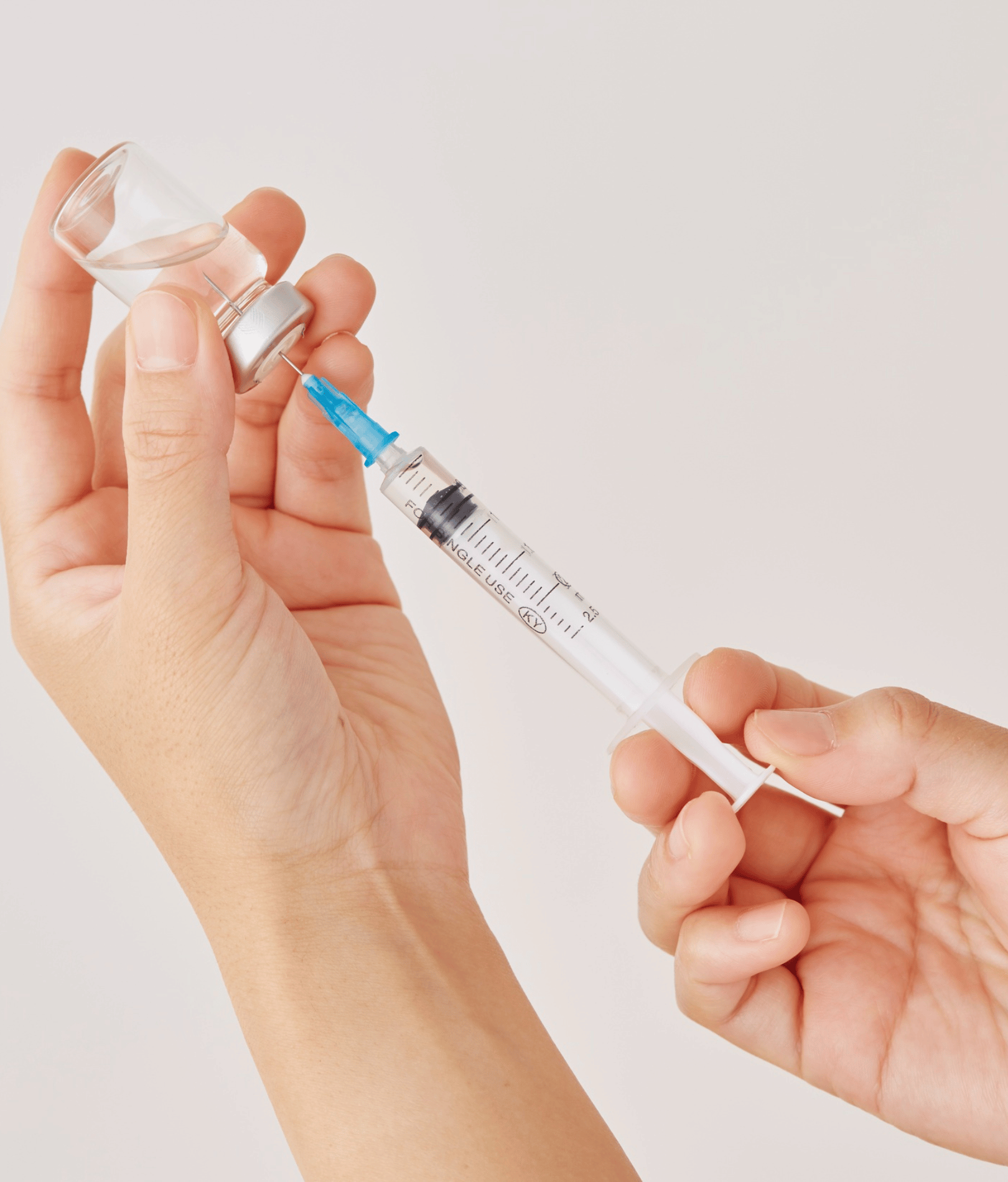
Skin boosters are among the most popular treatments offered by Korean aesthetic clinics for improving skin quality.
Depending on the product, they may be used to improve:
- Hydration
- Fine lines
- Texture
- Elasticity
- Overall skin quality
Some skin boosters are based on hyaluronic acid, while others contain different injectable materials such as polynucleotides.
For thin, dry, aging skin, the main attraction of a skin booster is that the treatment can focus on skin quality rather than simply adding structural volume.
However, "skin booster" is a broad marketing term rather than one standardized treatment. Patients should always ask what product is being injected, what its active ingredients are, and what evidence supports its intended use.
Polynucleotide Treatments
Polynucleotide-based treatments such as Rejuran have become particularly associated with Korean skin rejuvenation.
Polynucleotides are being studied for their potential role in skin regeneration, tissue remodeling, and improving skin quality. A survey of Korean dermatologists found that polynucleotide injections were commonly used for concerns including fine lines, uneven texture, and dry skin. (pubmed.ncbi.nlm.nih.gov)
For thin aging skin, these treatments may be discussed when the primary concern is poor skin quality rather than major structural volume loss.
Patients should understand that clinical evidence is still evolving and that treatment protocols vary.
Hyaluronic Acid Skin Boosters
Hyaluronic acid is naturally present in the skin and plays an important role in water retention.
Certain injectable hyaluronic acid products are designed for skin hydration and quality rather than traditional volumizing.
They may be considered for:
- Dryness
- Fine lines
- Dehydrated skin
- Loss of skin smoothness
- Early signs of aging
The exact formulation matters. A skin booster designed for superficial skin rejuvenation should not be assumed to have the same purpose or properties as a structural dermal filler.
Radiofrequency for Thin Aging Skin
Radiofrequency treatments use controlled electromagnetic energy to heat tissue and stimulate collagen remodeling.
They may be considered when thin skin is accompanied by:
- Mild laxity
- Reduced firmness
- Fine lines
- Loss of elasticity
RF can be useful because the goal is not simply to remove surface skin. Instead, controlled heating can stimulate changes in deeper tissue.
However, thin or sensitive skin requires appropriate treatment settings. More energy is not necessarily better.
A dermatologist should determine the appropriate device, depth, energy level, and treatment area based on the patient's skin condition.
RF Microneedling
RF microneedling combines tiny needles with radiofrequency energy.
It is commonly used for concerns such as:
- Fine lines
- Enlarged pores
- Uneven texture
- Acne scars
- Mild skin laxity
For thin aging skin, RF microneedling may sometimes be considered when both texture and firmness are concerns.
However, it is more invasive than non-invasive RF because needles penetrate the skin. Patients with very fragile, inflamed, or compromised skin may require a different approach.
Ultrasound-Based Skin Tightening
Focused ultrasound treatments deliver energy at selected depths beneath the skin.
They are generally considered for mild to moderate skin laxity and may help improve the appearance of sagging in selected patients.
For thin aging skin, ultrasound may be considered when the main problem is laxity rather than dehydration.
Possible treatment areas include:
- Jawline
- Lower face
- Neck
- Brow region
However, patients with very thin faces should be assessed carefully. Excessive tightening or inappropriate treatment planning may not produce the desired aesthetic result, particularly when facial volume is already limited.
Non-surgical ultrasound treatment should also not be expected to reproduce the lifting effect of a facelift.
Laser Treatments for Thin Aging Skin
Laser treatment can be useful when aging skin also has:
- Sun damage
- Pigmentation
- Uneven tone
- Rough texture
- Fine lines
The appropriate laser depends on the specific skin concern.
For thin or sensitive skin, the treatment should be conservative and carefully selected. Certain resurfacing procedures can cause significant inflammation and require recovery.
Patients with darker skin tones also need careful consideration because some laser procedures can increase the risk of post-inflammatory hyperpigmentation.
A dermatologist should evaluate skin type, pigmentation history, and previous reactions before selecting the laser and treatment settings.
Gentle Laser Rejuvenation
Not every aging skin patient needs aggressive resurfacing.
Some patients may benefit from gentler laser approaches that focus on pigmentation or overall tone rather than removing substantial layers of skin.
This can be particularly relevant when the patient wants a fresher appearance but has concerns about prolonged redness, peeling, or sensitivity.
The correct approach depends on whether pigmentation, texture, wrinkles, or another concern is the primary problem.
Microneedling for Fine Lines and Texture
Microneedling creates controlled micro-injuries in the skin to stimulate a wound-healing response.
It may improve:
- Fine lines
- Skin texture
- Mild acne scarring
- Overall skin smoothness
For thin aging skin, the treatment must be appropriately adjusted.
Patients should not assume that deeper needles automatically produce better collagen stimulation. Excessive injury may increase inflammation and recovery time without necessarily providing a better cosmetic outcome.
Dermal Fillers When Thin Skin Is Related to Volume Loss
Sometimes what looks like "thin skin" is actually a combination of skin thinning and facial volume loss.
As facial fat compartments change with age, areas such as the cheeks, temples, and under-eye region may become hollow.
In selected cases, carefully placed dermal filler may restore volume and improve the overall appearance.
This is different from simply treating the skin itself.
Why Conservative Filler Matters
Thin skin can make filler irregularities more visible.
If too much filler is placed too superficially, patients may experience:
- Visible lumps
- Irregular contours
- Unnatural fullness
- Visible product
- Color changes in some areas
Therefore, filler selection, injection depth, product characteristics, and practitioner experience are particularly important for patients with thin skin.
Treatments Around the Eyes
The skin around the eyes is naturally delicate and becomes increasingly fragile with age.
Common concerns include:
- Fine lines
- Crepey texture
- Dryness
- Hollowing
- Mild laxity
Treatment in this area requires special caution.
Depending on the underlying problem, a dermatologist may discuss conservative skin-rejuvenation treatments, carefully selected injectable procedures, or energy-based treatments.
Patients should not assume that a treatment appropriate for the cheeks is automatically appropriate around the eyes.
Best Korean Treatment Based on the Main Concern
There is no single treatment that works best for every patient with thin aging skin.
For Dry, Dehydrated Skin
Potential options include:
- Hydrating skincare
- Hyaluronic acid-based skin boosters
- Appropriate injectable skin-rejuvenation treatments
- Barrier-supportive skincare
The first priority may be restoring the skin barrier rather than performing an aggressive procedure.
For Fine, Crepey Lines
Potential options may include:
- Skin boosters
- Polynucleotide treatments
- Microneedling
- Selected laser treatments
- Conservative RF
The choice depends on whether the lines are primarily caused by dehydration, collagen loss, facial movement, or skin laxity.
For Mild Sagging
Potential options may include:
- RF
- Ultrasound-based tightening
- RF microneedling
- Combination skin-quality treatments
More severe sagging may require surgical assessment.
For Facial Hollowing
Potential options may include:
- Conservative dermal filler
- Fat grafting in selected surgical cases
- A broader facial-volume assessment
The goal should be restoration rather than simply adding as much volume as possible.
For Pigmentation and Sun Damage
Potential options may include:
- Carefully selected laser treatment
- Chemical peels
- Medical skincare
- Strict sun protection
Treating pigmentation aggressively in fragile skin can sometimes cause irritation or pigmentation problems, so individualized treatment is important.
Combination Treatments for Thin Aging Skin
Korean clinics frequently use combination approaches when several signs of aging occur together.
For example, a dermatologist may consider:
Skin booster + gentle laser
This may be considered when the patient has both dehydration and uneven pigmentation or texture.
Skin booster + RF
This may be considered when skin quality and mild laxity are both concerns.
Skin booster + Botox
This can address different mechanisms of aging when fine skin lines coexist with dynamic wrinkles.
Conservative filler + skin booster
This may be considered when the patient has both facial volume loss and poor skin quality.
Combination treatment should not mean treating everything at once. The clinician may separate procedures into different appointments to reduce inflammation and allow the skin to recover.
What Treatments May Not Be Ideal for Very Thin Skin?
The answer depends on why the skin is thin, but caution may be appropriate with unnecessarily aggressive procedures.
Potential concerns include:
- Excessive laser resurfacing
- Overly aggressive RF treatment
- Excessive microneedling depth
- Unnecessary fat-reducing procedures
- Overfilling superficial areas
- Multiple inflammatory procedures performed too close together
The purpose of treatment should be improvement, not maximum intensity.
How to Prepare for Treatment in Korea
International patients should provide the clinic with a complete history of previous cosmetic procedures.
Mention:
- Previous fillers
- Botox
- Laser procedures
- RF treatments
- Thread lifting
- Facial surgery
- Skin reactions
- Current medications
- Prescription skincare
- Allergies
Patients should also tell the doctor if their skin bruises easily or becomes irritated easily.
If you are traveling to Korea specifically for treatment, allow enough time for consultation and recovery rather than arranging procedures immediately before returning home.
Recovery After Treatment
Recovery depends on the procedure.
After skin boosters, patients may experience temporary:
- Redness
- Swelling
- Bruising
- Small injection bumps
- Tenderness
Laser and microneedling treatments may cause redness, sensitivity, peeling, or temporary swelling.
RF and ultrasound treatments can also cause temporary tenderness or swelling depending on the device and intensity.
Follow the clinic's instructions carefully and avoid adding strong skincare products immediately after treatment unless your medical provider recommends them.
Risks and Considerations
Thin aging skin may be more sensitive to irritation and trauma, making careful treatment selection especially important.
Possible complications vary by procedure and can include:
- Persistent redness
- Pigmentation changes
- Burns
- Infection
- Scarring
- Prolonged swelling
- Bruising
- Uneven results
- Injectable nodules
- Vascular complications from injections
Injectable treatments should be performed by appropriately trained medical professionals.
Patients should also understand that no treatment can permanently reverse biological aging.
How to Choose a Korean Skin Clinic
When researching Korean skin clinics, look beyond treatment menus and promotional packages.
Consider:
- Medical qualifications
- Experience with thin or mature skin
- Experience with the specific procedure
- Quality of consultation
- Exact products used
- Device authenticity and model
- Infection-control practices
- Follow-up support
- Communication for international patients
A good consultation should explain not only what treatment the clinic recommends but also what it does not recommend and why.
That can be an important sign that the treatment plan is individualized rather than package-driven.
Tips for International Patients
If you are traveling to South Korea for thin-skin treatment, consider these practical steps:
- Schedule a consultation before committing to multiple procedures.
- Bring photographs or records of previous cosmetic treatments if available.
- Ask for the exact name of every injectable product.
- Confirm the expected downtime before booking your return flight.
- Avoid planning several aggressive treatments simply because they are available.
- Ask how complications will be handled after returning home.
- Protect treated skin from unnecessary sun exposure.
- Keep your post-treatment skincare routine simple unless your doctor advises otherwise.
Can Korean Treatments Make Thin Skin Thicker?
This question requires careful wording.
Some treatments aim to stimulate collagen remodeling or improve hydration and skin quality, which may make aging skin look healthier, smoother, or more resilient.
However, no cosmetic treatment can simply restore youthful skin thickness exactly as it was decades earlier.
Results depend on:
- Age
- Genetics
- Degree of collagen loss
- Sun exposure
- Smoking
- Hormonal factors
- Skin type
- Treatment choice
- Individual healing response
The realistic goal is usually improvement in skin quality and appearance, not complete reversal of aging.
How to Protect Thin Aging Skin After Treatment
Professional treatment should be supported by everyday skin care.
Important habits include:
- Use broad-spectrum sunscreen
- Avoid excessive sun exposure
- Moisturize regularly
- Avoid unnecessary harsh exfoliation
- Follow prescribed skincare
- Avoid smoking
- Maintain a healthy lifestyle
- Do not repeatedly traumatize the skin with unnecessary procedures