Athletic Recovery Clinics in Korea: Treatments for Men
Introduction
Men who train regularly often focus heavily on workouts and performance but may underestimate the importance of recovery. Poor recovery can contribute to persistent muscle soreness, reduced performance, fatigue, sleep problems, and a higher risk of overuse injuries. Athletic recovery clinics in Korea offer a range of services designed to support recovery after exercise, training, or sports-related injuries.
Recovery services can range from basic rehabilitation and physical therapy to medically supervised treatments for specific injuries. Depending on the clinic, men may find services such as sports massage, physical therapy, exercise rehabilitation, compression therapy, cryotherapy, recovery-focused IV treatments, and selected injection therapies.
However, not every recovery treatment has the same level of scientific evidence. A professional recovery program should first identify the patient's needs and distinguish between established rehabilitation methods and wellness treatments with more limited evidence.
South Korea has advanced medical facilities, sports medicine centers, rehabilitation clinics, and wellness providers. For international patients, choosing the right facility means looking beyond marketing claims and evaluating medical qualifications, treatment protocols, safety, and follow-up care.
What Are Athletic Recovery Clinics?
Recovery-focused healthcare
Athletic recovery clinics are facilities that help active people recover from training, exercise, sports injuries, or physical fatigue.
Services may focus on:
- Muscle recovery
- Injury rehabilitation
- Mobility
- Pain management
- Strength restoration
- Exercise recovery
- Performance support
- Return to sport
The exact services differ considerably between clinics.
Recovery is more than reducing soreness
Feeling less muscle soreness does not necessarily mean the body has fully recovered.
A complete recovery strategy should also consider:
- Sleep
- Hydration
- Nutrition
- Training load
- Stress
- Injury status
- Muscle strength
- Mobility
Common Athletic Recovery Treatments in Korea
Physical therapy
Physical therapy is one of the most established approaches to athletic recovery.
A physical therapist may develop exercises to improve:
- Strength
- Flexibility
- Balance
- Joint mobility
- Coordination
- Movement patterns
Physical therapy is particularly important when recovery involves an injury.
Sports massage
Sports massage may help some athletes manage muscle tightness and temporary discomfort.
It can be used alongside exercise and rehabilitation but should not replace medical assessment when persistent pain or injury is present.
Exercise rehabilitation
Rehabilitation exercises are often progressed gradually.
A program may move from basic mobility and activation exercises to:
- Strength training
- Balance and stability work
- Functional movement
- Sport-specific drills
- Return-to-sport testing
The progression depends on the individual's condition.
Compression Recovery
Compression therapy
Compression garments and pneumatic compression devices are used by some athletes after training.
They may help with temporary discomfort or the sensation of recovery for some people, although results can vary.
Compression should be used appropriately, particularly in people with certain medical conditions.
Recovery boots
Pneumatic compression boots are increasingly popular among athletes.
They use controlled pressure around the legs and may be used after intense exercise.
Patients should ask whether the treatment is medically appropriate for their individual situation.
Cryotherapy and Cold Treatments
Cold therapy
Cold therapy can help manage pain and swelling after certain injuries.
It is commonly used as part of sports rehabilitation.
However, cold exposure should not be considered a universal solution for every type of muscle soreness or injury.
Whole-body cryotherapy
Some wellness facilities offer whole-body cryotherapy.
Evidence for its benefits varies depending on the intended purpose, and it is not a substitute for appropriate treatment of sports injuries.
Patients should ask about potential risks, contraindications, and the specific reason the treatment is being recommended.
Heat and Recovery Treatments
Heat therapy
Heat may help with muscle relaxation and temporary stiffness.
Depending on the situation, clinics may use:
- Heating treatments
- Warm-water therapy
- Saunas
- Other thermal modalities
Heat should generally be avoided over acute injuries when it may worsen swelling.
Alternating heat and cold
Some recovery programs use contrast therapy.
The usefulness of contrast treatments can vary, and they should be considered part of a broader recovery strategy rather than a standalone solution.
IV and Nutritional Recovery Treatments
IV therapy
Some athletic recovery clinics in Korea may offer IV fluids, vitamins, minerals, or other substances marketed for recovery.
The value of IV therapy depends on the patient's medical needs and the substances being administered.
IV treatment is not automatically more effective than oral hydration or nutrition.
Hydration
For most healthy athletes, adequate fluid intake and electrolyte replacement when appropriate are fundamental to recovery.
After prolonged or intense exercise, hydration needs may increase.
PRP and Injection-Based Treatments
PRP therapy
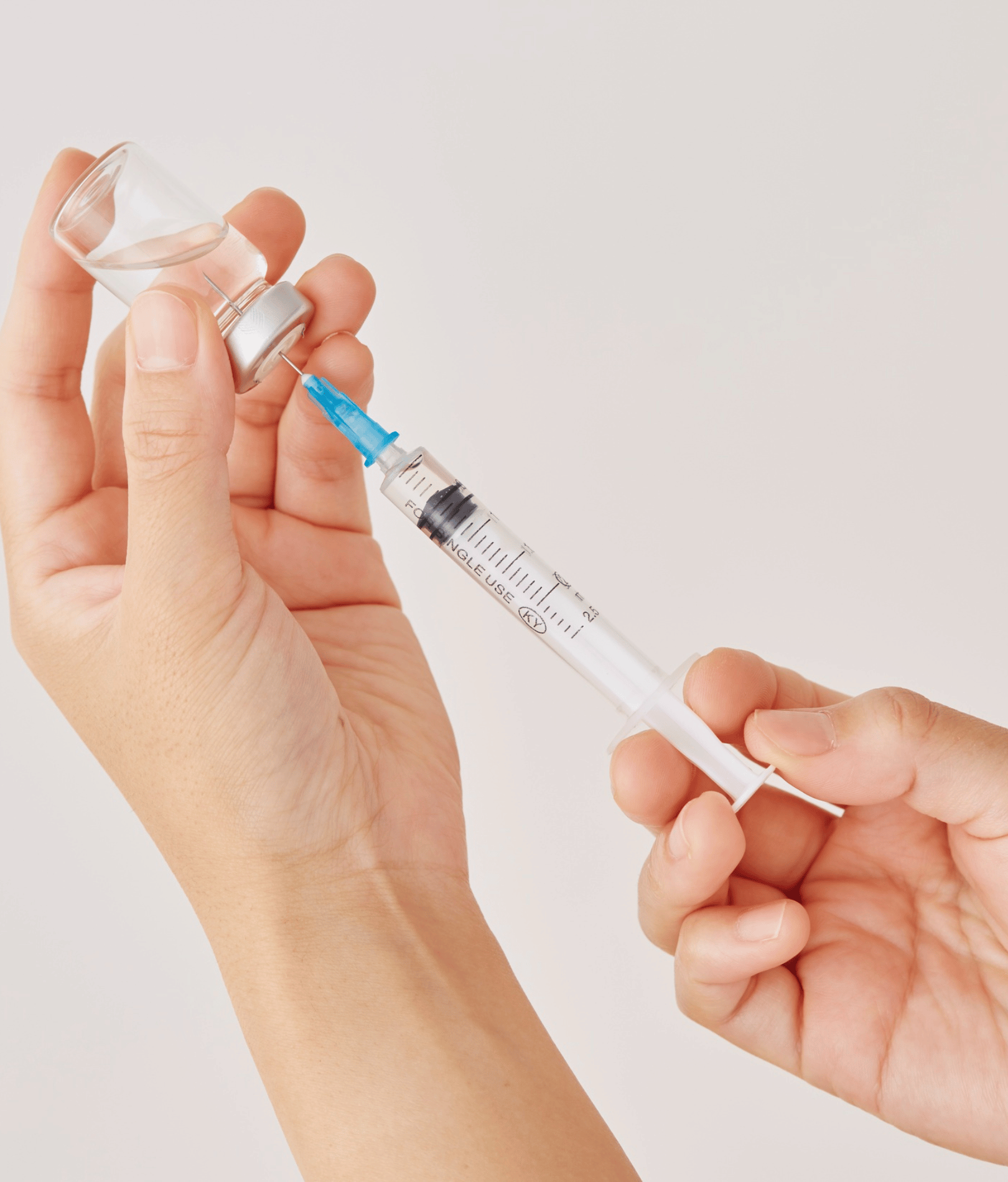
Platelet-rich plasma, or PRP, uses a patient's own blood to prepare a platelet-concentrated injection.
It may be considered for certain tendon, ligament, or joint conditions, but evidence differs between conditions.
PRP should therefore be recommended based on a specific diagnosis rather than simply as a general recovery treatment.
Other injections
Some clinics may offer additional injection therapies for pain or musculoskeletal conditions.
Patients should ask:
- What is being injected?
- What condition is it intended to treat?
- What evidence supports its use?
- What are the possible risks?
- Is follow-up required?
Recovery for Men Who Lift Weights
Managing training load
Strength training creates stress that the body needs time to adapt to.
Recovery programs may help men manage:
- Training frequency
- Exercise volume
- Intensity
- Rest days
- Muscle soreness
- Mobility
Increasing training too quickly can increase the risk of overuse problems.
Shoulder and elbow recovery
Weightlifters commonly experience shoulder, elbow, wrist, and back discomfort.
Persistent pain should be evaluated rather than repeatedly treated with recovery devices alone.
Recovery for Runners
Lower-body recovery
Running places repetitive stress on the feet, ankles, knees, hips, and lower back.
A recovery program may include:
- Mobility exercises
- Strength training
- Running-form assessment
- Physical therapy
- Gradual training progression
Avoiding overtraining
A sudden increase in mileage or intensity can increase injury risk.
Recovery should be considered when planning training volume, not only after pain develops.
Athletic Recovery After Injury
Diagnosis comes first
If pain persists, the first step should be determining the cause.
A medical evaluation may include physical examination and, when necessary, imaging such as X-ray, ultrasound, or MRI.
Rehabilitation after surgery
Men recovering from ACL reconstruction, meniscus surgery, rotator cuff procedures, or other orthopedic operations may require structured rehabilitation.
The rehabilitation plan should follow the surgeon's and rehabilitation professional's recommendations.
Return-to-sport planning
Returning to exercise should be gradual.
Depending on the injury, return-to-sport testing may assess:
- Strength
- Balance
- Range of motion
- Stability
- Movement control
- Sport-specific performance
Sleep and Athletic Recovery
Why sleep matters
Sleep is one of the most important components of athletic recovery.
Poor sleep can affect:
- Energy
- Concentration
- Mood
- Exercise performance
- Recovery
- Appetite regulation
Men who consistently sleep poorly should address the underlying cause rather than relying only on recovery treatments.
When to seek medical evaluation
Persistent snoring, daytime sleepiness, frequent nighttime waking, or other sleep problems may warrant professional assessment.
Nutrition for Athletic Recovery
Protein intake
Adequate protein supports muscle maintenance and repair.
The appropriate amount depends on body size, training level, diet, and overall health.
Carbohydrates and exercise
Carbohydrates can support performance and replenish energy stores after demanding exercise.
The amount required depends on training intensity and duration.
Micronutrients
A balanced diet usually provides many essential vitamins and minerals.
Supplementation is most useful when there is a demonstrated dietary need or deficiency rather than simply because a product is marketed for athletic recovery.
How to Choose an Athletic Recovery Clinic in Korea
Check professional qualifications
If the clinic provides medical diagnosis, prescription medication, injections, or treatment of injuries, qualified healthcare professionals should be involved.
Look for individualized assessment
A good recovery program should consider:
- Training history
- Injury history
- Current symptoms
- Fitness level
- Sleep
- Nutrition
- Medical conditions
A one-size-fits-all package may not be appropriate for every athlete.
Evaluate treatment evidence
Ask what evidence supports each treatment.
Be cautious about claims that a treatment can:
- Instantly eliminate fatigue
- Guarantee faster muscle growth
- Prevent all injuries
- Dramatically increase athletic performance
- Reverse physical damage from training
What Happens During an Athletic Recovery Consultation?
Initial evaluation
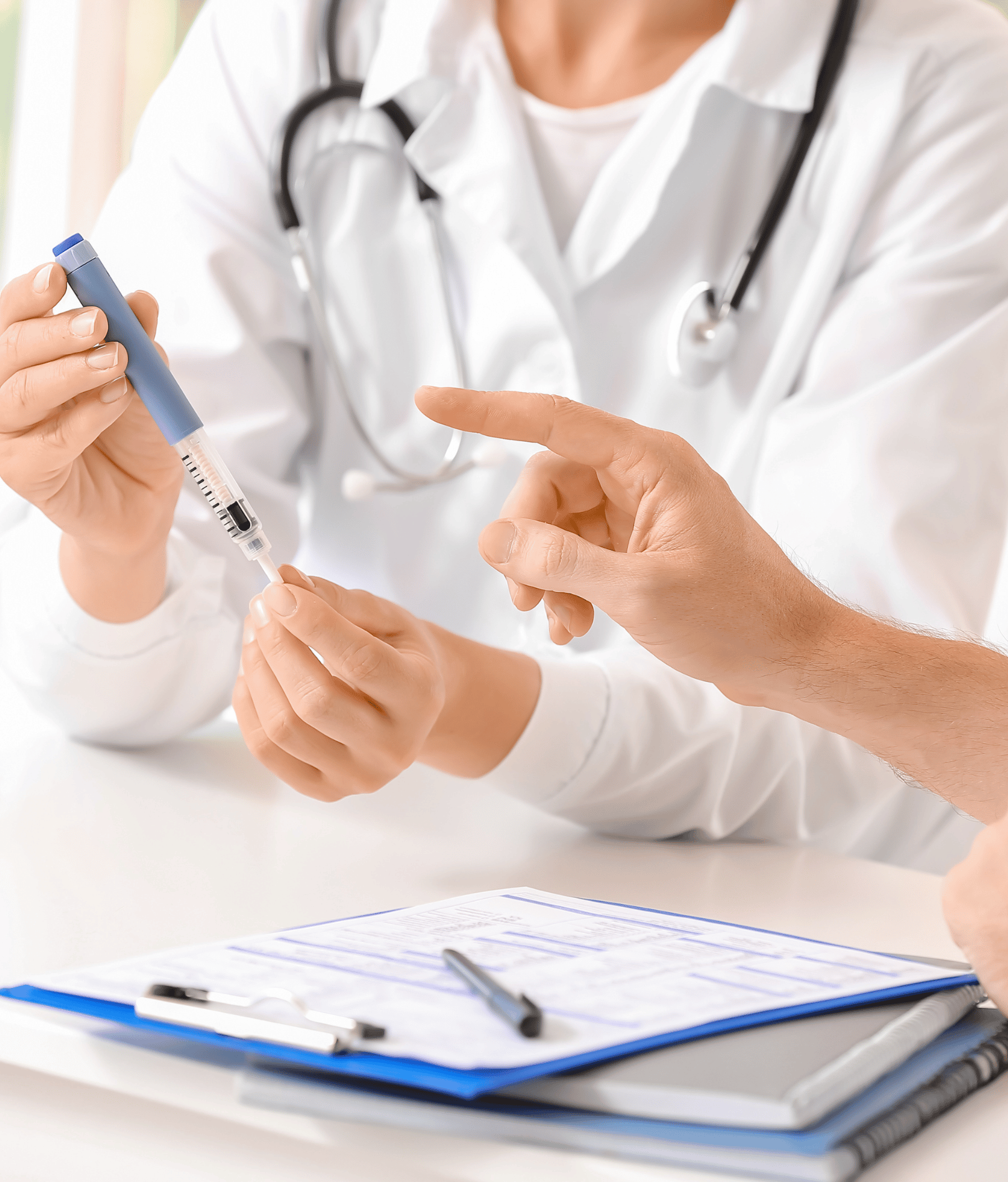
The provider may ask about your training schedule, recent exercise, injuries, pain, sleep, nutrition, and recovery habits.
Physical assessment
Depending on the clinic, the evaluation may include movement, flexibility, strength, joint stability, and mobility assessments.
Treatment plan
A personalized plan may include rehabilitation exercises, physical therapy, recovery modalities, training modifications, or medical treatment when appropriate.
Follow-up
Follow-up helps determine whether the treatment is actually improving symptoms or function.
Benefits of Athletic Recovery Clinics
Professional guidance
Professional assessment can help men understand whether their problem is normal post-exercise soreness or a potential injury.
Structured rehabilitation
A structured program can make recovery more organized and progressive.
Injury prevention
Identifying movement limitations or strength deficits may help reduce the risk of recurring problems.
Safe return to training
Recovery professionals can help determine when and how to increase training again.
Potential Risks and Limitations
Recovery treatments cannot replace rest
No device or therapy can completely compensate for chronic sleep deprivation, inadequate nutrition, or excessive training.
Not every treatment works equally well
Evidence varies considerably among recovery therapies.
Costs can add up
Using multiple recovery treatments regularly can become expensive.
Patients should determine whether a service provides meaningful value before committing to a package.
How Much Do Athletic Recovery Clinics Cost in Korea?
Factors affecting price
Costs may depend on:
- Consultation
- Physical therapy
- Massage
- Recovery devices
- IV treatments
- Imaging
- Injection therapy
- Rehabilitation sessions
- Follow-up appointments
A basic recovery session will generally cost less than a medically supervised rehabilitation program involving diagnosis and multiple treatments.
Ask what is included
International patients should request an itemized price and confirm whether follow-up sessions, diagnostic testing, and additional treatments are included.
Why Consider South Korea for Athletic Recovery?
Advanced medical infrastructure
South Korea offers modern hospitals, rehabilitation facilities, orthopedic services, and sports medicine providers.
Access to specialized care
Patients with complex injuries may be able to access orthopedic surgeons, rehabilitation specialists, physical therapists, and other professionals.
International patient services
Some Korean providers offer multilingual assistance and international patient coordination.
Availability varies, so patients should confirm services before booking.
Tips for International Patients
Bring previous records
Bring relevant:
- MRI or X-ray reports
- Medical records
- Surgical reports
- Medication lists
- Physical therapy records
- Previous diagnoses
Explain your training goals
Tell the provider whether your priority is:
- Returning to a sport
- Improving recovery
- Managing an injury
- Preparing for competition
- Maintaining fitness
This can help shape the treatment plan.
Plan enough recovery time
If you are traveling for medical treatment, allow enough time for evaluation and follow-up.
Do not assume that every procedure allows immediate return to intense exercise or air travel.
Athletic Recovery vs. Sports Rehabilitation
Athletic RecoverySports RehabilitationOften focuses on training recoveryPrimarily focuses on injury recoveryMay include wellness treatmentsUsually involves structured rehabilitationCan be used by healthy athletesOften used after injury or surgeryMay focus on soreness and fatigueFocuses on restoring functionEvidence varies by treatmentOften based on established rehabilitation principles
The two approaches can overlap, but they are not identical.
Conclusion
Athletic recovery clinics in Korea offer men a range of services designed to support recovery from exercise, training, and sports injuries. These may include physical therapy, rehabilitation, compression therapy, cold or heat treatments, sports massage, and selected medical procedures.
The most effective recovery strategy is rarely based on a single treatment. Sleep, nutrition, hydration, appropriate training volume, rest, and progressive exercise remain fundamental. When pain or injury is involved, accurate diagnosis and rehabilitation should take priority over wellness treatments.
South Korea's advanced healthcare infrastructure gives international patients access to sports medicine, orthopedic, rehabilitation, and wellness services. Before choosing a clinic, compare professional qualifications, treatment evidence, pricing, safety standards, international support, and follow-up arrangements.
A good athletic recovery program should help you recover safely, maintain physical function, and return to training without relying on exaggerated promises.
FAQs
What are athletic recovery clinics in Korea?
Athletic recovery clinics are facilities that provide services designed to support recovery from exercise, sports training, muscle soreness, and injuries. Services vary by provider.
What treatments are available for men?
Depending on the clinic, treatments may include physical therapy, sports massage, compression therapy, cryotherapy, heat treatments, rehabilitation, PRP, and other medically supervised services.
Are athletic recovery treatments necessary after every workout?
No. Most healthy men can recover from normal exercise through adequate sleep, nutrition, hydration, rest, and appropriate training. Recovery treatments may be useful in specific situations but are not always necessary.
Is PRP used for athletic recovery in Korea?
Some clinics offer PRP for selected musculoskeletal conditions. It is not appropriate for every type of muscle soreness and should be considered based on a specific diagnosis.
Does IV therapy improve athletic recovery?
The benefits depend on the patient's medical needs and the contents of the infusion. IV therapy is not automatically superior to adequate oral hydration and nutrition.
Can recovery clinics treat sports injuries?
Some can, particularly when they have sports medicine, orthopedic, or rehabilitation professionals. Persistent pain should be medically evaluated rather than treated only with recovery devices.
How much do athletic recovery clinics cost in Korea?
Costs vary depending on consultation, therapy, rehabilitation, diagnostic testing, injections, and other services. Patients should request an itemized estimate.
Can international patients use athletic recovery clinics in Korea?
Some Korean clinics and hospitals offer services for international patients. Language support and international coordination vary by provider.
How long should I stay in Korea for athletic recovery treatment?
The appropriate length of stay depends on the treatment. A simple consultation may require little time, while injury rehabilitation or procedures may require multiple visits.
How do I choose an athletic recovery clinic in Korea?
Look for qualified healthcare professionals, individualized assessment, evidence-based treatments, appropriate diagnostic services, transparent pricing, and a clear follow-up plan.