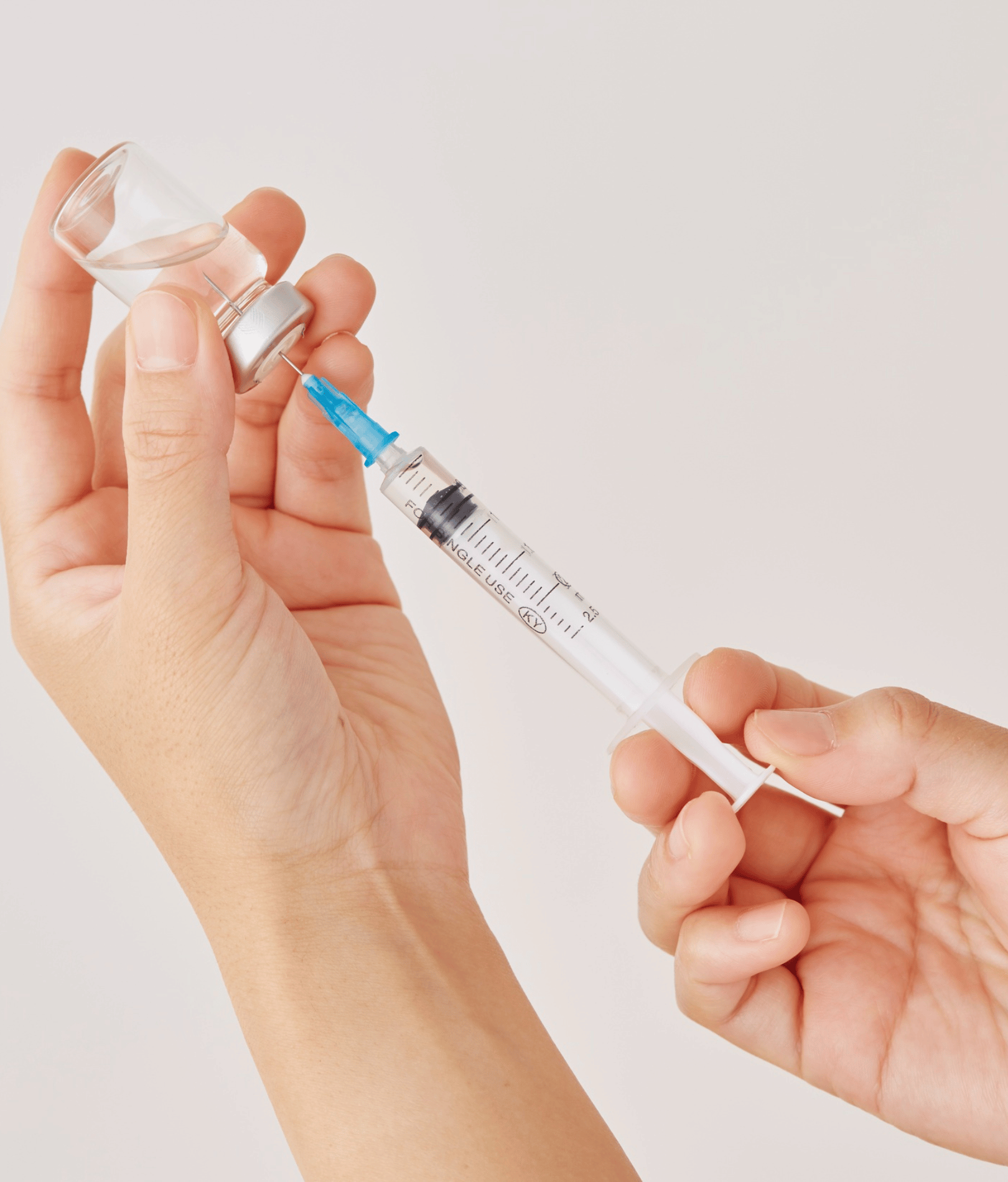
Combining Dermatology, Dental and Health Checkups in Korea
Introduction
South Korea is well known for dermatology, cosmetic medicine, dental care, and modern health screening. For international patients, this makes Korea an appealing destination for combining several healthcare appointments during a single trip.
A medical visit does not necessarily have to focus on one procedure. Depending on your health needs and travel schedule, you may be able to arrange a dermatology consultation, dental appointment, and preventive health checkup during the same Korea trip.
However, combining services requires careful planning. A health screening may require fasting, some dental procedures involve recovery, and certain dermatology treatments can cause temporary redness, swelling, or sensitivity. Scheduling everything without considering these factors can make the trip unnecessarily stressful.
The goal should not be to fit as many treatments as possible into one itinerary. Instead, international patients should create a practical schedule that prioritizes medical necessity, recovery time, and appropriate follow-up.
Why Combine Healthcare Appointments in Korea?
Combining appointments can make sense for international patients who have limited time.
Potential Advantages
A coordinated medical trip may help you:
- Reduce repeated international travel
- Complete several routine appointments in one visit
- Organize preventive health screening
- Address dental concerns
- Consult a dermatologist
- Schedule follow-up appointments before returning home
For patients already planning a trip to Korea, combining compatible appointments can be more efficient than arranging separate medical trips.
What Services Can Be Combined?
Dermatology, dental care, and health screening are separate areas of medicine, but they can sometimes fit into one itinerary.
Dermatology
Depending on your needs, a dermatology visit may involve:
- Acne assessment
- Acne scar treatment
- Pigmentation evaluation
- Skin rejuvenation
- Laser consultation
- Injectable consultation
- Medical skincare
- Skin condition diagnosis
Dental Care
Dental services may include:
- Dental examination
- Professional cleaning
- X-rays
- Cavity treatment
- Gum evaluation
- Cosmetic dentistry consultation
- Dental restoration
- Implant consultation
Health Checkups
Preventive health screening may include selected:
- Blood tests
- Urine tests
- Blood pressure measurements
- Imaging
- Cardiovascular risk assessments
- Cancer screening
- General health evaluations
The exact services depend on the patient's age, sex, medical history, and screening program.
Health Screening Should Usually Be Planned Carefully
Health checkups often have specific preparation requirements.
Fasting May Be Required
Some blood tests require fasting for a specified period.
This means a health screening appointment may be easier to schedule early in the day.
Follow the Facility's Instructions
Preparation can vary. Some patients may need instructions concerning:
- Food
- Drinks
- Medication
- Exercise
- Smoking
- Imaging preparation
Follow the exact instructions provided by the healthcare facility.
A Practical Order for Your Appointments
There is no universal schedule, but organizing appointments strategically can make the trip easier.
Day 1: Consultation and Initial Assessments
Consider starting with consultations rather than immediately scheduling multiple procedures.
You could use the first day for:
- Dermatology consultation
- Dental examination
- Health screening consultation
This allows doctors to identify what is actually needed.
Day 2: Health Screening
If your screening requires fasting, an early appointment may be convenient.
Afterward, you may have time for a low-intensity appointment, depending on the screening performed.
Day 3: Dental or Dermatology Treatment
Once the initial assessments are complete, you can schedule appropriate treatments based on medical recommendations.
The exact order should be adjusted according to the procedures involved.
Should You Do Dental Treatment Before Dermatology?
It depends on the treatments.
Routine Dental Cleaning
A routine cleaning may not interfere with many dermatology appointments.
Dental Surgery
More invasive dental procedures can involve:
- Swelling
- Pain
- Medication
- Dietary restrictions
- Recovery time
If you are planning significant dental work, discuss the timing with both providers.
Can You Combine Dental Treatment With Cosmetic Dermatology?
Sometimes, but caution is appropriate.
Consider Recovery and Infection Risk
Some dental procedures can cause temporary inflammation or require medication. Certain cosmetic treatments may also require skin recovery.
Your doctors should determine whether treatments can safely be performed close together.
Can You Have a Health Screening and Dermatology Treatment on the Same Day?
It may be possible, depending on the procedures.
Screening First Can Be Practical
If fasting is required, complete the health screening first.
A dermatologist can then advise whether your planned treatment should be performed later that day or on another date.
For invasive procedures, separating appointments may be more appropriate.
Build Your Trip Around Medical Priorities
International patients sometimes make the mistake of building their medical schedule around tourism.
Medical Care Should Come First
Start by identifying:
- Which appointments are medically necessary
- Which procedures require preparation
- Which treatments require recovery
- Which services require follow-up
- How much time remains for sightseeing
This creates a safer and more realistic itinerary.
How Long Should You Stay in Korea?
The appropriate length depends on your treatment plan.
Short Trip
A short trip may work for:
- Consultation
- Routine screening
- Dental cleaning
- Basic dermatology evaluation
Longer Trip
A longer stay may be more appropriate for:
- Dental surgery
- Multiple dermatology procedures
- Cosmetic surgery
- Procedures requiring follow-up
- Complex treatment plans
Do not shorten your stay simply to reduce accommodation costs if doing so interferes with necessary medical follow-up.
Create a Medical Travel Calendar
A simple calendar can help prevent scheduling conflicts.
DayMorningAfternoonEveningDay 1Dermatology consultationDental consultationRestDay 2Health screeningRecovery / light activityRestDay 3Dental treatmentFollow-up or restLight activityDay 4Dermatology treatmentRestRestDay 5Follow-upFlexibleTravel preparation
This is only an example. Your actual itinerary should be based on medical recommendations.
Do Not Schedule Every Procedure Back-to-Back
A packed itinerary may look efficient but can create problems.
Why Buffer Time Matters
Leave space for:
- Delayed appointments
- Additional consultations
- Unexpected test results
- Recovery
- Medication
- Follow-up
- Rest
A flexible itinerary is usually more practical than one with every hour booked.
Choose Clinics Carefully
You do not necessarily need one clinic for all services.
Specialized Providers May Be Better
A patient might choose:
- A dedicated health screening center for preventive testing
- A qualified dentist for dental care
- A dermatologist for skin concerns
The best provider for each service may be different.
When One Medical Group Can Be Convenient
Some healthcare organizations offer multiple departments.
Potential Benefits
A larger medical center may make it easier to coordinate:
- Health screening
- Internal medicine
- Specialist consultations
- Imaging
- Laboratory testing
However, a multidisciplinary facility is not automatically the best option for every dental or dermatology treatment.
How to Choose a Dermatology Clinic
Consider:
- Physician qualifications
- Relevant dermatology experience
- Diagnosis before treatment
- Device or product selection
- Safety information
- Follow-up
- International patient support
Avoid choosing solely because a clinic offers a large number of aesthetic procedures.
How to Choose a Dental Clinic
Look at:
- Dentist qualifications
- Relevant treatment experience
- Diagnostic equipment
- Sterilization practices
- Treatment planning
- Materials used where relevant
- Follow-up care
For complex dental procedures, ask for a clear treatment plan before beginning.
How to Choose a Health Screening Center
Consider:
- Screening options
- Physician involvement
- Laboratory services
- Imaging availability
- Result interpretation
- Follow-up support
- Language assistance
Ask whether the center provides an explanation of abnormal findings rather than simply handing you a report.
International Patient Support
Foreign patients may require additional logistical assistance.
Useful Services
Depending on the provider, this may include:
- English-language communication
- Multilingual coordinators
- Interpretation
- Online consultations
- Appointment scheduling
- Medical documents in another language
- Follow-up communication
Confirm exactly what is available before traveling.
Bring Your Medical Records
Previous healthcare information can improve continuity of care.
Useful Documents
Bring copies of:
- Previous blood tests
- Imaging reports
- Dental X-rays
- Dermatology records
- Medication lists
- Allergy information
- Previous procedure details
If you have had cosmetic or dental work previously, accurate information can be particularly important.
Tell Every Doctor About Your Other Treatments
Do not assume one provider automatically knows what another provider is doing.
Share Relevant Information
Tell your doctors about:
- Current medications
- Recent procedures
- Allergies
- Existing medical conditions
- Planned treatments
- Recent laboratory results
This helps providers make more informed decisions.
Be Careful With Medications
Combining treatments can sometimes mean taking several medications.
Ask About Drug Interactions
If you receive medication from a dental clinic, dermatologist, or other doctor, make sure each provider knows what you are already taking.
Do not combine or discontinue medication without appropriate medical guidance.
Dental Recovery During a Korea Trip
Recovery requirements vary significantly.
After Routine Cleaning
Most patients can continue normal activities.
After More Invasive Treatment
You may need:
- Soft foods
- Rest
- Medication
- Follow-up
- Additional appointments
Plan sightseeing around recovery rather than assuming you can maintain a normal tourist schedule.
Dermatology Recovery Can Also Vary
Not every skin treatment has the same downtime.
Possible Temporary Effects
Depending on the procedure, patients may experience:
- Redness
- Swelling
- Sensitivity
- Peeling
- Bruising
- Temporary skin irritation
Ask the dermatologist how long these effects may last.
Sun Protection Is Especially Important
Patients receiving certain dermatology treatments may need to be particularly careful with sun exposure.
During a Korea Trip
Consider:
- Using recommended sun protection
- Following post-treatment skincare instructions
- Avoiding activities your doctor restricts
- Limiting unnecessary sun exposure during recovery
Your dermatologist should provide specific aftercare instructions.
Health Screening Results May Change Your Itinerary
This is an important reason not to make your schedule too rigid.
Unexpected Findings Can Require Follow-Up
A screening may identify something that requires:
- Repeat testing
- Additional imaging
- Specialist consultation
- Further diagnosis
If possible, leave some flexibility in your travel schedule.
How Much Does a Combined Medical Trip Cost?
There is no single price.
Costs May Include
- Consultation fees
- Health screening
- Laboratory tests
- Imaging
- Dental treatment
- Dermatology treatment
- Medication
- Translation
- Transportation
- Accommodation
Ask each provider for an itemized estimate.
Do Not Compare Only the Advertised Treatment Price
A low headline price may exclude important services.
Ask What Is Included
Confirm whether the quote includes:
- Consultation
- Diagnostics
- Procedure
- Medication
- Follow-up
- Additional treatment
- Taxes or applicable fees
This is particularly important for international patients planning a fixed travel budget.
How to Save Time Without Sacrificing Care
Efficiency does not mean rushing.
Use These Strategies
- Book appointments before traveling
- Group nearby clinics together
- Schedule health screening early
- Leave recovery gaps
- Request digital medical records
- Confirm appointment duration
- Keep one flexible day when possible
Should You Combine Cosmetic and Medical Care?
It depends on the circumstances.
Medical Necessity Comes First
If a health screening identifies a significant medical concern, addressing that issue may take priority over elective cosmetic treatment.
Likewise, a dental infection or acute dental problem should not be ignored simply because you planned an aesthetic appointment.
When You Should Avoid Combining Appointments
Consider separating appointments when:
- A procedure requires significant recovery
- You need anesthesia
- You have an active infection
- A doctor recommends additional testing
- You are experiencing unexpected symptoms
- Multiple medications are involved
- Follow-up is medically necessary
Always follow the advice of the treating professionals.
A Sample 5-Day Medical Tourism Plan
Day 1 – Consultations
- Dermatology consultation
- Dental examination
- Review of medical history
- Confirm health screening requirements
Day 2 – Health Screening
- Health screening
- Laboratory testing
- Imaging if indicated
- Rest afterward
Day 3 – Dental Care
- Dental treatment
- Medication if prescribed
- Recovery
Day 4 – Dermatology
- Dermatology treatment
- Post-treatment instructions
- Low-intensity activities
Day 5 – Follow-Up
- Review results
- Dental follow-up if necessary
- Dermatology follow-up
- Collect medical records
This schedule is illustrative rather than a universal recommendation.
What International Patients Should Avoid
Avoid:
- Booking treatments without consultation
- Scheduling invasive procedures immediately before flying home
- Ignoring fasting instructions
- Hiding medical history
- Combining medications without medical advice
- Choosing providers based solely on discounts
- Planning intense sightseeing during recovery
- Leaving Korea without understanding follow-up instructions
What to Do Before Returning Home
Before leaving Korea, make sure you have:
- Medical reports
- Laboratory results
- Imaging reports where applicable
- Dental records
- Medication instructions
- Dermatology aftercare instructions
- Follow-up schedule
- Contact information for the provider
Ask what symptoms should prompt urgent medical attention after returning home.
Conclusion
Combining dermatology, dental care, and health checkups can make a Korea medical trip more efficient, particularly for international patients with limited travel time. Korea's broad healthcare infrastructure makes it possible to arrange different types of care within one itinerary.
But efficiency should never come at the expense of safety. Health screening may require preparation, dental procedures can involve recovery, and dermatology treatments may create temporary skin changes. The right schedule depends on your individual health needs and the procedures being considered.
The best medical tourism itinerary is therefore not the one with the most appointments. It is the one that gives you appropriate medical care, enough recovery time, clear communication, and a realistic plan for follow-up.
Frequently Asked Questions
Can I combine dermatology, dental treatment, and a health checkup in Korea?
Yes, these services can sometimes be arranged during the same trip. The appointments should be planned according to preparation requirements, treatment intensity, recovery, and follow-up needs.
Should I schedule my health checkup first?
Often, an early health screening appointment can be convenient, especially if fasting is required. Your specific schedule should follow the screening center's instructions.
Can I have a dental appointment and dermatology treatment on the same day?
It may be possible for some routine services, but more invasive dental or dermatology procedures may require separation. Ask both providers before scheduling them together.
How many days should I stay in Korea for medical treatment?
It depends on your treatments. Routine consultations and screenings may require only a short visit, while invasive dental or cosmetic procedures may require a longer stay.
Can international patients get health checkups in Korea?
Many Korean healthcare facilities provide services to international patients, although language support, eligibility, scheduling, and payment arrangements vary.
Do Korean health checkups require fasting?
Some tests require fasting, but preparation varies by screening program. Follow the instructions provided by the healthcare facility.
Should I use one clinic for all my treatments?
Not necessarily. A specialized provider may be more appropriate for each service. For example, you may use a health screening center, dentist, and dermatologist separately.
Can I go sightseeing after dermatology treatment?
It depends on the treatment. Some procedures cause redness, swelling, sensitivity, or peeling. Your dermatologist should advise you about sun exposure and activity during recovery.
Can I fly home immediately after dental treatment?
Travel timing depends on the procedure and your recovery. For significant dental treatment, ask the dentist whether flying soon afterward is appropriate.
What medical records should I bring to Korea?
Bring previous laboratory results, imaging, dental records, medication information, allergies, and details of previous procedures when available.
Can health screening results affect my cosmetic treatment plan?
Yes. If screening identifies a medical concern that requires further evaluation, elective treatment may need to be delayed or reconsidered.
How can I organize multiple medical appointments in Korea?
Book providers in advance, confirm preparation requirements, leave recovery gaps, and avoid scheduling every appointment back-to-back.
Is Gangnam a good place to combine these services?
Gangnam has a high concentration of dermatology, dental, health screening, and other medical providers, making it a convenient option for many international patients.
Should I choose clinics based on low prices?
Price should be only one consideration. Compare physician qualifications, treatment quality, safety, communication, follow-up, and the complete cost.
What is the biggest mistake when planning a medical trip to Korea?
Trying to fit too many treatments into too little time. A realistic schedule should allow for consultation, recovery, unexpected findings, and follow-up.