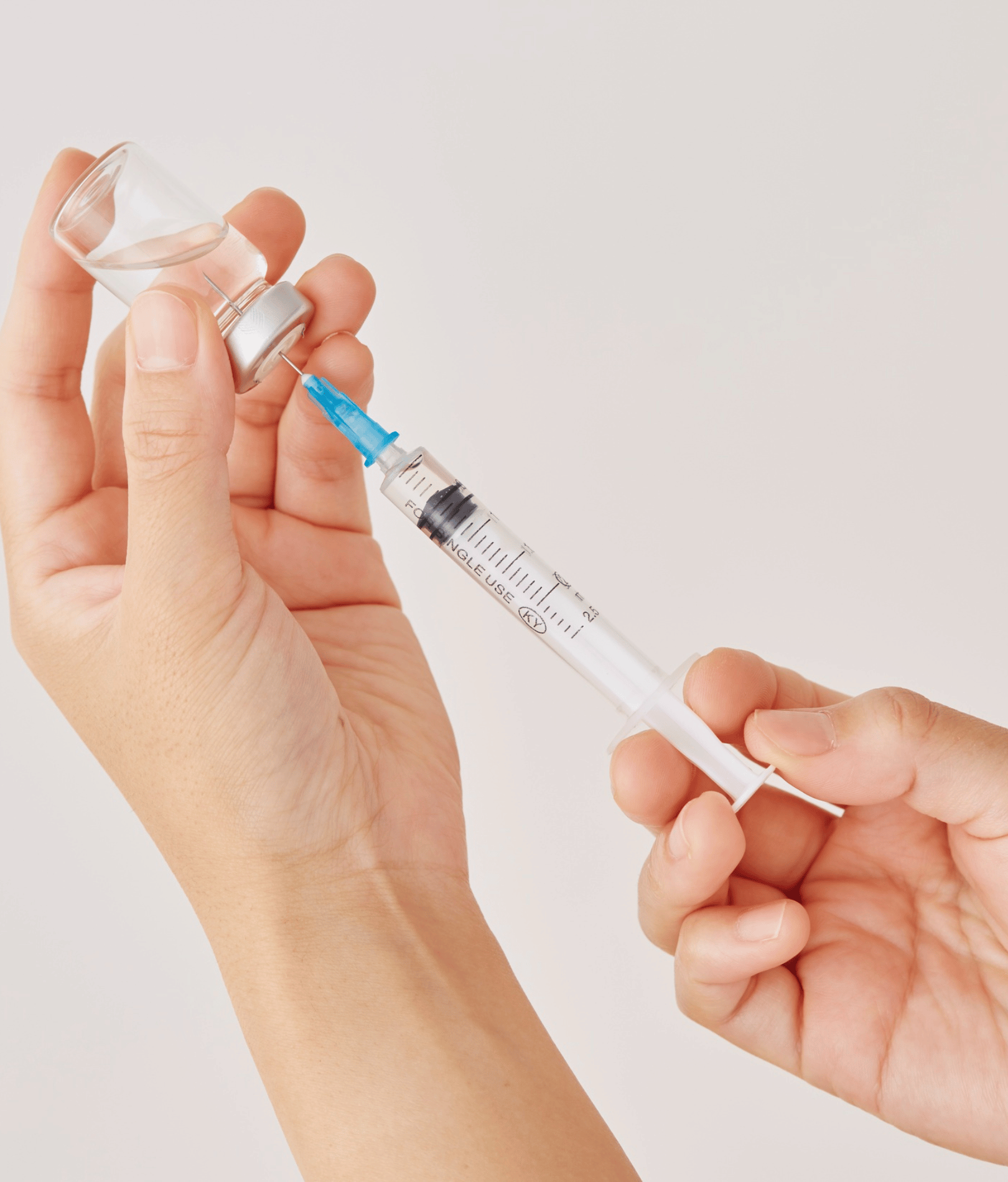
Customized Anti-Aging Plans at Korean Skin Clinics
Introduction
Anti-aging treatment in Korea has increasingly moved away from one-size-fits-all procedures. Instead of recommending the same laser, injectable, or skin-tightening treatment to every patient, many Korean skin clinics create customized plans based on age, skin condition, facial anatomy, lifestyle, and specific aesthetic goals.
This personalized approach is particularly relevant for international patients visiting Seoul or Gangnam. A patient with pigmentation and fine lines may need a very different treatment plan from someone with skin laxity, volume loss, acne scars, or under-eye aging.
A customized anti-aging plan may combine several treatments over time, including lasers, RF microneedling, ultrasound-based tightening, polynucleotides, skin boosters, Botox, fillers, or other procedures. The goal is not necessarily to use as many treatments as possible. Instead, a good plan should identify the main causes of visible aging and address them in an appropriate sequence.
This guide explains how customized anti-aging plans work in Korean skin clinics, what treatments may be included, how doctors personalize them, what international patients should expect, and how to choose a clinic for long-term skin rejuvenation.
What Is a Customized Anti-Aging Plan?
More than a treatment package
A customized anti-aging plan is a treatment strategy developed around an individual's specific concerns rather than a fixed package.
The plan may consider:
- Fine lines and wrinkles
- Skin laxity
- Pigmentation
- Uneven texture
- Enlarged pores
- Loss of facial volume
- Dullness
- Acne scars
- Under-eye aging
- Neck wrinkles
- Jawline definition
The objective is to prioritize the problems that have the greatest visual impact.
Why customization matters
Two people of the same age can have completely different signs of aging.
One person may have excellent skin elasticity but significant pigmentation. Another may have relatively clear skin but noticeable facial laxity.
Treating both patients with the same procedure would not necessarily make sense.
How Korean Dermatologists Assess Skin Aging
Skin quality
The first consideration is often the condition of the skin itself.
Doctors may assess:
- Hydration
- Texture
- Pigmentation
- Pore visibility
- Fine lines
- Skin thickness
- Elasticity
Skin-quality treatments can then be selected according to the dominant concern.
Facial structure
Aging does not occur only at the surface of the skin.
Changes in fat distribution, muscle activity, facial volume, and soft-tissue support can affect the appearance of the face.
A customized plan therefore considers both skin and facial structure.
Lifestyle and treatment history
A patient's lifestyle can influence treatment planning.
The doctor may ask about:
- Sun exposure
- Skincare routine
- Smoking
- Previous cosmetic procedures
- Recent injectables
- Laser treatments
- Skin sensitivity
- Recovery requirements
This information helps determine what can safely be combined and how treatments should be spaced.
Common Components of Korean Anti-Aging Plans
Laser treatments
Lasers may be selected for concerns such as:
- Pigmentation
- Sun damage
- Uneven texture
- Fine lines
- Redness
- Acne scars
Different laser technologies target different skin concerns, so the treatment should be chosen according to the problem rather than simply selecting the newest device.
RF microneedling
RF microneedling combines microneedling with radiofrequency energy.
It may be considered for:
- Fine lines
- Acne scars
- Enlarged pores
- Skin texture
- Mild laxity
The treatment can stimulate remodeling within the skin while also addressing surface texture.
Ultrasound-based tightening
Treatments using focused ultrasound may be considered for selected patients with mild-to-moderate skin laxity.
They are generally intended to stimulate deeper tissue remodeling rather than simply improve surface texture.
RF skin tightening
Radiofrequency treatments can provide controlled heating of tissue.
Depending on the technology, they may be used for:
- Skin firmness
- Jawline definition
- Mild laxity
- Overall skin rejuvenation
Injectable Treatments in Customized Anti-Aging Plans
Polynucleotides
Polynucleotide treatments such as Rejuran are widely discussed in Korean aesthetic dermatology.
They are generally used to improve skin quality rather than add major facial volume.
Potential treatment goals include:
- Fine lines
- Texture
- Elasticity
- Skin quality
Skin boosters
Skin boosters are a broad category of injectable treatments intended to improve skin quality or hydration.
The exact product matters because different skin boosters have different formulations and intended effects.
Botulinum toxin
Botulinum toxin can reduce the activity of selected facial muscles.
It may be considered for dynamic wrinkles such as:
- Forehead lines
- Frown lines
- Crow's feet
In some cases, it may also be used for specific facial-contouring purposes.
Dermal fillers
Fillers are primarily used to restore or add volume.
Depending on anatomy and treatment goals, they may be considered for:
- Cheeks
- Temples
- Chin
- Lips
- Nasolabial areas
Fillers should be used conservatively when the goal is natural-looking rejuvenation.
How Doctors Combine Treatments
Treat the most important concern first
A customized plan does not necessarily mean performing everything at once.
Doctors may prioritize the concern that contributes most to the patient's appearance.
For example, significant pigmentation may be addressed before adding multiple anti-aging procedures.
Use complementary treatments
Different procedures can target different layers or mechanisms.
For example:
- Laser for pigmentation
- RF microneedling for texture and mild laxity
- Polynucleotides for skin quality
- Botox for dynamic wrinkles
The combination depends on the individual.
Spacing treatments
Some procedures may need to be separated to allow the skin to recover.
Spacing can also help doctors evaluate how the patient responds before adding another treatment.
Customized Anti-Aging Plans by Age
Patients in their 20s
Younger patients may focus more on prevention and skin quality.
A plan may emphasize:
- Sun protection
- Pigmentation control
- Acne-scar treatment
- Texture improvement
- Pore management
Aggressive anti-aging procedures are not necessarily appropriate.
Patients in their 30s
Early signs of aging may become more noticeable.
A customized plan might address:
- Fine lines
- Pigmentation
- Early laxity
- Texture
- Skin hydration
Treatment can remain relatively conservative.
Patients in their 40s
Patients may begin experiencing a combination of skin aging and structural changes.
A plan may include:
- Skin resurfacing
- RF treatments
- Ultrasound tightening
- Polynucleotides
- Botox
- Conservative fillers
The right combination depends on facial anatomy.
Patients in their 50s and beyond
More significant laxity and volume changes may become apparent.
Non-surgical treatments can still improve selected concerns, but expectations should remain realistic.
Some patients may benefit from discussing surgical options if there is substantial excess skin or tissue descent.
Customized Plans for Different Aging Concerns
Fine lines
Fine lines can result from both skin thinning and repeated muscle movement.
Depending on the cause, treatment may involve:
- Botox
- Laser resurfacing
- RF microneedling
- Polynucleotides
- Skin-quality treatments
Pigmentation
Pigmentation may require a different strategy.
Doctors may consider:
- Pigment-targeting lasers
- Topical skincare
- Sun protection
- Combination approaches
Not all pigmentation should be treated with aggressive laser settings.
Skin laxity
Mild laxity may be addressed with:
- RF
- RF microneedling
- Focused ultrasound
- Other energy-based treatments
Severe laxity may require surgery for a meaningful lifting effect.
Volume loss
Volume loss may be addressed with carefully selected fillers or fat-based procedures.
However, adding too much volume can produce an unnatural appearance.
Why Korean Clinics Often Use Combination Treatments
Different problems require different tools
Aging is multifactorial.
One procedure may improve pigmentation but have little effect on laxity.
Another may tighten the skin but do little for fine surface lines.
Combination treatment allows doctors to target different concerns.
The goal is balance
A good anti-aging plan should not simply maximize the number of procedures.
The objective should be a balanced result in which skin quality, facial proportions, and tissue support remain harmonious.
What Happens During an Anti-Aging Consultation?
Medical and aesthetic history
The provider may ask about:
- Previous cosmetic procedures
- Medical conditions relevant to treatment
- Allergies
- Medications
- Skin sensitivity
- Previous reactions
Be honest about your treatment history.
Facial assessment
The doctor may examine the face at rest and during movement.
This can help distinguish:
- Dynamic wrinkles
- Static wrinkles
- Volume loss
- Skin laxity
- Pigmentation
- Texture problems
Treatment priorities
The provider should explain which concerns are most important to address first.
You should understand why each recommended procedure is being included.
How to Avoid Over-Treatment
Do not assume more is better
Combining multiple treatments can increase inflammation, downtime, and cost.
A large package does not necessarily mean a better result.
Ask what is essential
Before accepting a treatment plan, ask:
- Which treatment is most important?
- What happens if I skip the optional treatments?
- Can procedures be performed separately?
- What are the expected benefits?
- What are the risks?
- How long should I wait between treatments?
These questions can help you make an informed decision.
Recovery From Customized Anti-Aging Plans
Downtime depends on the procedure
A plan containing only gentle skin treatments may involve little downtime.
Laser resurfacing, RF microneedling, or stronger procedures may cause more noticeable redness and swelling.
Plan your schedule carefully
International patients should avoid scheduling multiple aggressive treatments immediately before:
- Long flights
- Weddings
- Photography
- Business meetings
- Major events
Allow sufficient recovery time.
How Much Do Customized Anti-Aging Plans Cost in Korea?
Why pricing varies
There is no single price for a customized anti-aging program.
Cost can depend on:
- Number of treatments
- Device used
- Injectable products
- Treatment area
- Clinic
- Provider
- Number of sessions
- Follow-up requirements
Do not compare packages by price alone
A lower-cost package may contain fewer treatments or a different product.
Ask for an itemized explanation of what is included.
Why Consider Korean Skin Clinics for Anti-Aging?
Broad treatment options
Korean aesthetic dermatology clinics commonly offer a large range of technologies and injectable treatments.
This allows physicians to select different approaches according to patient needs.
Experience with combination treatments
Many clinics routinely use combinations of lasers, injectables, and energy-based treatments.
However, international patients should still evaluate each clinic individually rather than assuming every clinic provides the same level of care.
How to Choose a Korean Skin Clinic
Look for qualified medical providers
Find out who performs the consultation and treatment.
For medical procedures, confirm that appropriately qualified medical professionals are responsible for the treatment plan.
Review the clinic's treatment philosophy
A good clinic should be able to explain why a particular treatment is recommended.
Be cautious if every patient receives the same package.
Ask about product brands
For injectable treatments, ask for the exact product name and manufacturer.
This is particularly important when comparing clinics.
Check follow-up arrangements
International patients should understand what happens if they experience prolonged swelling, unusual pain, infection, or another unexpected reaction after returning home.
Tips for International Patients
Do not plan everything around one appointment
If possible, allow enough time in Korea for consultation and follow-up.
This can be especially useful when treatments need to be staged.
Bring previous treatment information
Tell your doctor about recent:
- Botox
- Fillers
- Lasers
- RF treatments
- Microneedling
- Skin boosters
- Chemical peels
This helps prevent inappropriate treatment combinations.
Protect your skin after treatment
Sun protection is especially important after many laser and resurfacing procedures.
Follow the clinic's specific aftercare instructions.
Can Customized Anti-Aging Plans Replace a Facelift?
For early aging
Non-surgical treatments can be effective for selected early signs of aging.
They may improve skin quality, fine lines, texture, and mild laxity.
For significant facial sagging
Non-surgical treatments cannot remove substantial excess skin or reposition deeply descended facial tissues.
Patients with significant jowls, neck laxity, or advanced facial descent may benefit from discussing surgical options.
How Long Do Customized Anti-Aging Results Last?
Different treatments have different durations
There is no single duration for a customized plan.
Botulinum toxin, fillers, lasers, RF treatments, and skin-quality procedures all have different longevity.
Maintenance may be necessary
Aging continues naturally.
Patients may choose maintenance treatments based on how their skin and facial structure change over time.
What Makes a Good Anti-Aging Plan?
Personalized
The plan should be based on your actual concerns.
Evidence-informed
Treatments should have a reasonable medical and scientific basis.
Conservative
The goal should be natural improvement rather than unnecessary treatment.
Flexible
The plan should be adjustable based on your response.
Transparent
Costs, risks, expected results, and alternatives should be clearly explained.
Conclusion
Customized anti-aging plans at Korean skin clinics can provide a structured approach to treating the different signs of facial aging. Rather than relying on a single procedure, a dermatologist can evaluate skin quality, pigmentation, wrinkles, elasticity, facial volume, and tissue laxity to determine which treatments are most relevant.
Depending on the patient, a plan may include laser treatments, RF microneedling, ultrasound or RF tightening, polynucleotides, skin boosters, Botox, or carefully selected fillers. The important point is not how many treatments are included, but whether each treatment has a clear purpose.
For international patients visiting Seoul or Gangnam, consultation quality is especially important. Ask what products will be used, who will perform the procedures, why each treatment is recommended, how much recovery is required, and what follow-up support is available.
The best customized anti-aging plan is usually one that is realistic, appropriately staged, and tailored to the patient's anatomy and skin condition rather than built around a generic promotional package.
FAQs
What is a customized anti-aging plan in Korea?
It is an individualized treatment strategy designed around a patient's specific signs of aging, such as wrinkles, pigmentation, skin laxity, texture changes, and volume loss.
What treatments can be included in a Korean anti-aging plan?
Depending on the patient, options may include lasers, RF microneedling, RF tightening, ultrasound-based treatments, polynucleotides, skin boosters, Botox, and fillers.
Are customized anti-aging plans better than single treatments?
Not necessarily. A single treatment may be sufficient for a specific concern. Combination treatment is useful when several different problems need to be addressed.
How much do customized anti-aging treatments cost in Korea?
Costs vary depending on the treatments, products, treatment areas, clinic, and number of sessions. An itemized quote is the best way to compare plans.
Can Korean anti-aging treatments replace a facelift?
Non-surgical treatments can improve mild aging but cannot remove substantial excess skin or reposition deep facial tissues like facelift surgery.
How should international patients choose a Korean skin clinic?
Look for qualified medical providers, transparent product information, individualized treatment planning, realistic claims, clear pricing, and reliable follow-up support.
Can Botox and skin-rejuvenation treatments be combined?
They can sometimes be combined because they target different concerns. Botox primarily affects muscle activity, while skin treatments may target texture, pigmentation, elasticity, or skin quality.
How many anti-aging treatments should I get during one trip to Korea?
There is no universal number. A staged approach may be safer and more practical than trying to complete every recommended procedure during a short visit.
When should I start anti-aging treatments?
There is no specific age that applies to everyone. Treatment should be based on actual skin concerns, facial changes, goals, and medical assessment rather than age alone.
What should I ask during a Korean anti-aging consultation?
Ask which concerns are being prioritized, why each treatment is recommended, what alternatives exist, expected results, risks, downtime, total cost, and what follow-up care is available.