Best Hair Treatments in Korea Before Your Wedding
Introduction
Your wedding is one of the biggest occasions for photographs, videos, and close-up moments, so healthy-looking hair can make a meaningful difference to your overall appearance. If you are planning to get married in South Korea or traveling to Seoul before your wedding, Korea offers a wide range of professional hair-loss, scalp-care, and hair-restoration treatments.
The best hair treatments in Korea before your wedding depend on your timeline and the condition of your hair. Some options are designed to improve scalp condition and hair appearance, while others are intended to address thinning or hair loss over a longer period.
For example, scalp treatments may help improve cleanliness and manage certain scalp concerns, while PRP and other medical treatments may be considered for selected patients with thinning hair. Hair transplantation can provide a longer-term solution for permanent follicle loss, but it requires substantially more planning and recovery time.
The most important rule is simple: do not experiment with an aggressive or unfamiliar treatment immediately before your wedding. A treatment that is appropriate months before the event may be poorly timed if performed only a few days beforehand.
Why Start Hair Care Before Your Wedding?
Wedding preparation often focuses on skincare, dental care, fitness, and makeup, but hair deserves similar attention.
A personalized hair plan may help you:
- Improve scalp condition
- Address excessive shedding
- Manage dandruff or irritation
- Improve the appearance of thinning areas
- Prepare hair for styling
- Reduce breakage
- Plan longer-term hair restoration
Starting early gives you more treatment options and more time to evaluate how your hair responds.
Best Hair Treatments in Korea Before a Wedding
Professional Scalp Treatments
Scalp treatments are among the more practical options for patients who want a professional hair-care session without undergoing surgery.
Depending on the clinic, treatments may focus on:
- Scalp cleansing
- Excess oil management
- Flaking
- Scalp hydration
- Gentle exfoliation
- Scalp massage
- Product buildup
These treatments can be particularly useful when the main concern is scalp condition rather than permanent hair loss.
Medical Hair-Loss Consultation
If you have noticeable thinning or increased shedding, consider seeing a dermatologist before choosing a cosmetic scalp treatment.
A medical consultation can help determine whether your hair changes are related to:
- Pattern hair loss
- Stress
- Nutritional problems
- Hormonal changes
- Scalp conditions
- Recent illness
- Medication
- Other causes
Identifying the cause is more useful than simply treating the visible symptom.
PRP Hair Treatment
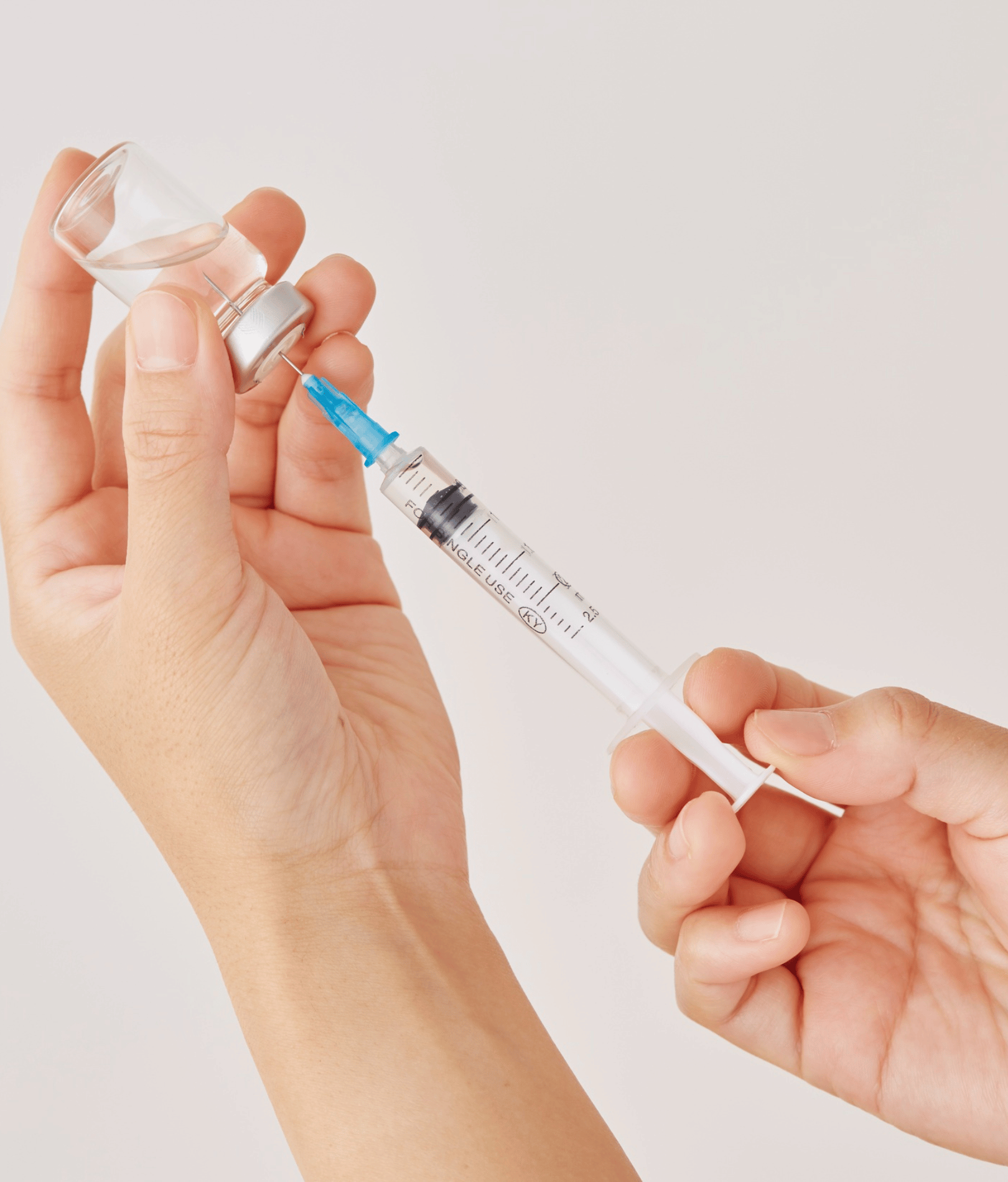
Platelet-rich plasma, or PRP, is a non-surgical treatment that uses a patient's own blood.
Blood is collected and processed to concentrate platelets before being injected into selected areas of the scalp.
PRP has been studied for certain types of hair loss, although treatment protocols and individual results vary.
It is more appropriate as a planned hair-loss treatment than as a last-minute wedding beauty treatment.
Hair Growth and Medical Treatments
Depending on the diagnosis, a doctor may recommend medical treatments to slow hair loss or support existing follicles.
These treatments can be particularly relevant for patients who have noticed gradual thinning before their wedding.
The exact medication, dosage, and suitability should be determined by a qualified medical professional.
Hair Transplantation
A hair transplant may be appropriate for patients with permanent hair loss and sufficient donor hair.
Common concerns include:
- Receding hairline
- Temple recession
- Crown thinning
- Male-pattern baldness
- Selected female hairline concerns
However, transplantation is not a treatment to schedule immediately before a wedding.
Healing, shedding, redness, and gradual hair growth mean that patients generally need to plan the procedure well in advance.
Hair Treatments Based on Your Wedding Timeline
6–12 Months Before the Wedding
This is the best time to investigate significant hair-loss concerns.
You may have enough time to consider:
- Medical diagnosis
- Hair-loss medication
- PRP
- Scalp treatment programs
- Hair restoration planning
- Hair transplantation when appropriate
Starting early also gives you time to adjust your treatment if the initial approach does not produce the desired response.
3–6 Months Before the Wedding
At this stage, patients may focus on maintaining scalp health and improving hair quality.
Depending on your condition, options may include:
- Medical hair-loss management
- PRP sessions
- Scalp treatments
- Professional hair-care programs
- Treatment for dandruff or scalp inflammation
If you are considering transplantation, this is also a period when you may be planning or undergoing treatment rather than waiting until the last few weeks.
1–3 Months Before the Wedding
At this point, the priority should be stability.
Avoid unnecessary aggressive procedures.
Focus on:
- Consistent hair care
- Scalp health
- Doctor-recommended treatments
- Gentle washing
- Minimizing breakage
- Protecting existing hair
If you are considering a new medical treatment, discuss the timing with a clinician.
1–2 Weeks Before the Wedding
This is not the ideal time to start an intensive hair-restoration program.
Instead, prioritize predictable and familiar care.
Avoid experimenting with:
- New strong chemical treatments
- Unfamiliar scalp products
- Aggressive procedures
- Unproven regenerative treatments
The goal is to avoid unexpected irritation, redness, swelling, or shedding.
A Few Days Before the Wedding
Keep your routine simple.
If you already have a trusted stylist, follow the hair-care routine that has worked for you.
Avoid major changes that could create scalp irritation or make styling difficult.
Hair Treatments for Brides
For Brides With Thinning Hair
Female hair thinning can have many causes.
If the hair is becoming noticeably thinner, a dermatological assessment may be more useful than simply adding cosmetic products.
A doctor may evaluate the scalp and recommend appropriate treatment.
For Brides With a Receding Hairline
Some women have naturally higher hairlines, while others experience recession or thinning.
Depending on the cause, treatment may involve medical management or, in selected cases, hairline transplantation.
For Brides With Dry or Damaged Hair
If the main issue is breakage rather than hair loss, focus on hair-fiber care.
Helpful strategies may include:
- Reducing excessive heat
- Using suitable conditioners
- Limiting harsh chemical processing
- Trimming damaged ends
- Avoiding excessive tension
Hair Treatments for Grooms
Managing Male-Pattern Hair Loss
Men may notice increased concern about their hairline or crown as their wedding approaches.
If recession has been gradual, an early medical assessment is useful.
Treatment options may include medical hair-loss management, PRP, or transplantation depending on the stage.
Hairline Styling
Even without medical treatment, the right haircut and styling strategy can make a noticeable difference.
A professional stylist can work with the existing hairline to create a fuller-looking appearance.
Scalp Problems to Treat Before Your Wedding
Dandruff
Visible flakes can become particularly noticeable in dark formal clothing.
Dandruff treatment should be started early enough to determine whether the selected approach is working.
Excess Oil
An oily scalp may make fine hair look flatter and less dense.
A dermatologist or professional scalp-care provider can help determine an appropriate cleansing routine.
Scalp Irritation
Persistent itching, redness, or inflammation should not be treated simply as a cosmetic problem.
A medical evaluation may be necessary.
Hair Shedding
Sudden or excessive shedding deserves attention.
Stress associated with wedding planning can coincide with temporary shedding, but other causes should also be considered.
Hair Transplantation Before a Wedding
Why Timing Matters
Hair transplantation involves a healing period.
After surgery, patients may experience:
- Redness
- Crusting
- Temporary swelling
- Sensitivity
- Transplanted hair shedding
New growth then develops gradually over subsequent months.
How Far Before the Wedding Should You Plan?
There is no single ideal interval for everyone, but a transplant should generally be planned many months before an important event.
The surgeon should explain what the scalp and hair are likely to look like at different stages of recovery.
Avoid Last-Minute Transplantation
A transplant immediately before a wedding is generally impractical because the recipient area may still be visibly healing.
If your wedding is approaching soon, non-surgical styling and medically appropriate hair management may be more realistic.
PRP Before a Wedding
Is PRP a Last-Minute Hair Treatment?
Not really.
PRP is a medical hair-loss treatment rather than an instant cosmetic procedure.
Any potential improvement develops gradually.
When Should You Consider PRP?
If PRP is medically appropriate, starting earlier provides more time to complete the recommended treatment course and assess your response.
Exosome Hair Treatments Before a Wedding
Why Timing Requires Caution
Exosome-based hair treatments are increasingly marketed in aesthetic clinics, including Korea.
However, evidence remains less established than for some conventional hair-loss treatments, and products can differ significantly.
Patients should not choose an unfamiliar exosome treatment immediately before their wedding simply because it is advertised as a newer technology.
Ask About the Product
Before treatment, ask:
- What product is being used?
- What is its source?
- How is it manufactured?
- What evidence supports its use?
- What side effects are possible?
- What is the expected recovery period?
Hair Scalp Treatments for Wedding Photography
Why Scalp Health Matters
A healthy scalp can support better-looking hair, but cosmetic scalp treatments should not be confused with treatments that restore permanently lost follicles.
If your main concern is thinning, obtain a diagnosis rather than relying only on cosmetic care.
Hair Styling After Treatment
Tell your stylist about any recent scalp treatment.
Some procedures may require temporary restrictions on washing, styling, heat, or chemical treatments.
Preparing for Hair Styling and Makeup
Schedule a Hair Trial
A wedding hair trial is useful for determining:
- Hairstyle
- Hair volume
- Parting
- Accessories
- Products
- Hair extensions when appropriate
This can also reveal whether thinning areas need additional styling support.
Consider Hair Fibers or Volume Products
For selected patients, cosmetic hair fibers or volumizing products may temporarily make thinning areas appear fuller.
These products do not treat the underlying hair loss, but they can be useful for wedding-day styling.
What International Patients Should Know About Hair Treatments in Korea
Plan Your Treatment Around Your Travel
If you are traveling to Seoul for your wedding, do not schedule an unfamiliar procedure immediately before your event.
Build in time for:
- Consultation
- Treatment
- Recovery
- Possible follow-up
Choose Clinics Experienced With Foreign Patients
International patients may benefit from clinics that provide clear communication and treatment instructions in a language they understand.
Before booking, confirm:
- Consultation availability
- Language support
- Treatment details
- Pricing
- Follow-up
- Emergency contact arrangements
Do Not Choose Based Only on Marketing
Korea has a large cosmetic and medical-aesthetic industry.
Beautiful clinic websites and social media content do not automatically indicate that a treatment is appropriate for your hair-loss condition.
How Much Do Hair Treatments Cost in Korea?
Factors Affecting Cost
Pricing varies depending on the treatment.
Factors may include:
- Clinic
- Doctor
- Treatment type
- Number of sessions
- Treatment area
- Hair-loss severity
- Additional diagnostic testing
A scalp treatment and a surgical hair transplant have completely different cost structures.
Ask for a Complete Quote
International patients should clarify whether the quoted price includes:
- Consultation
- Procedure
- Medication
- Follow-up
- Additional sessions
- Translation or support services
Common Mistakes Before a Wedding
Starting Too Late
Waiting until the final weeks limits your treatment choices.
Trying Too Many Treatments
Combining several unfamiliar treatments can make it difficult to identify what caused irritation or other unwanted effects.
Expecting Instant Hair Growth
Hair biology operates on a longer timeline.
Most genuine hair-restoration treatments require patience.
Ignoring the Cause of Hair Loss
If hair loss is caused by an underlying medical condition, cosmetic scalp care alone may not solve the problem.
A Practical Pre-Wedding Hair Plan
Step 1: Assess Your Hair Early
Ideally, begin several months before the wedding.
Step 2: Identify the Main Concern
Determine whether your priority is:
- Hair loss
- Hair thinning
- Scalp health
- Dryness
- Breakage
- Styling
- Hairline appearance
Step 3: Get Professional Advice
For significant hair loss or sudden shedding, consult a dermatologist or qualified hair-restoration doctor.
Step 4: Choose One Clear Strategy
Avoid unnecessary treatment stacking.
Step 5: Maintain Your Routine
Consistency is generally more useful than constantly changing products.
Conclusion
The best hair treatments in Korea before your wedding depend primarily on your hair condition, treatment goals, and how much time remains before the event.
For patients with scalp concerns, professional scalp care may be useful. Those with early hair thinning may benefit from a medical evaluation and appropriately selected hair-loss treatment. PRP may be considered for certain patients, while hair transplantation can be an option for permanent follicle loss when planned sufficiently far ahead.
The most important consideration is timing. A treatment that may be beneficial over several months is not necessarily appropriate a few days before your wedding.
If you are traveling to South Korea for your wedding, consider arranging your hair consultation early, choosing a qualified clinic, and allowing adequate time for recovery. Avoid last-minute experimentation and focus on treatments supported by an appropriate diagnosis.
Healthy-looking hair on your wedding day is best achieved through early planning, realistic expectations, and a treatment strategy tailored to your individual hair and scalp condition.
FAQs About Hair Treatments in Korea Before Your Wedding
What is the best hair treatment before a wedding in Korea?
There is no single best treatment. Scalp care, medical hair-loss treatment, PRP, and hair transplantation may be appropriate for different concerns and timelines.
How many months before my wedding should I start hair treatment?
Starting three to six months ahead gives you more flexibility, while significant hair-loss concerns may benefit from evaluation six to twelve months before the wedding.
Can I get a hair transplant one month before my wedding?
A hair transplant one month before a wedding is generally poorly timed because the scalp may still show healing changes and transplanted hairs may not yet have produced new growth.
Is PRP good before a wedding?
PRP may be appropriate for selected hair-loss patients, but it is not an instant cosmetic treatment. Potential improvements develop gradually.
Can PRP make my hair look thicker immediately?
PRP does not normally create immediate new hair growth. Any potential improvement develops over time.
Should I try exosomes before my wedding?
If you are considering an exosome treatment, discuss the evidence, product, risks, and recovery period with a qualified medical professional. Avoid unfamiliar treatments immediately before an important event.
Can Korean scalp treatments help with dandruff?
Some professional scalp treatments may help manage scalp cleanliness and certain concerns, but persistent dandruff may require medical evaluation and appropriate treatment.
Can foreigners get hair treatments in Korea?
Yes. International patients can seek hair and scalp treatments in South Korea. It is advisable to confirm communication support, treatment details, pricing, and follow-up arrangements before traveling.
What should I avoid before my wedding?
Avoid aggressive new treatments, unfamiliar products, unnecessary treatment combinations, and procedures with unpredictable recovery immediately before the wedding.
Can hair loss caused by stress improve before my wedding?
Some forms of stress-related shedding can improve after the triggering stress is resolved, but the timeline varies. Persistent or significant shedding should be medically evaluated.