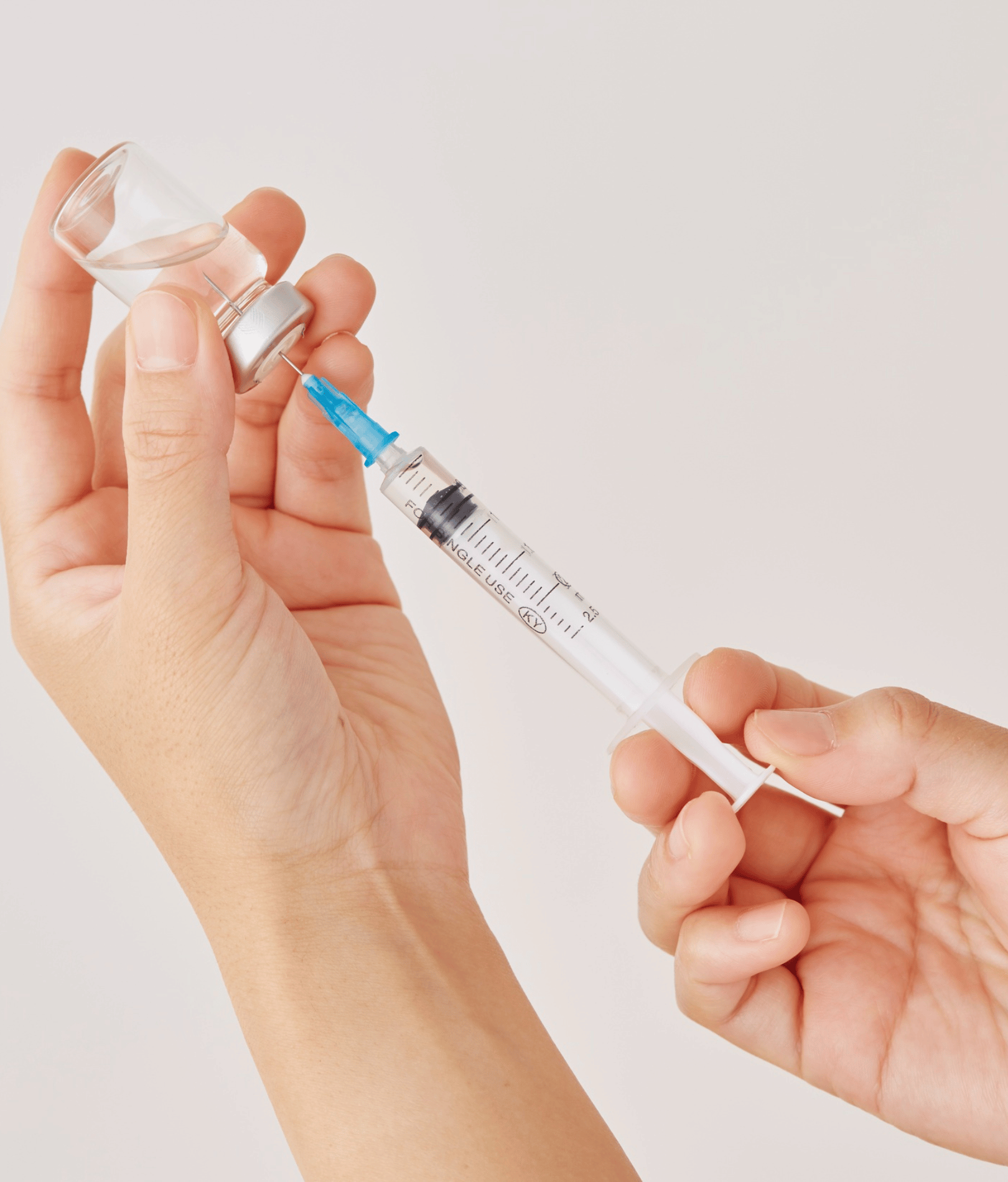
PRP Hair Restoration in Korea: Benefits & Results
Introduction
Hair thinning can be frustrating, especially when the hairline gradually recedes, the crown becomes less dense, or the scalp becomes increasingly visible. While hair transplantation is one option for restoring areas where follicles have been permanently lost, not every patient needs surgery. Platelet-rich plasma, commonly known as PRP, has become a popular non-surgical treatment option for people looking to improve hair density and support existing hair.
PRP hair restoration uses a patient's own blood. A small blood sample is processed to concentrate platelets and growth-factor-rich plasma, which is then injected into selected areas of the scalp. The goal is to create a more supportive environment around existing hair follicles.
South Korea has a highly developed aesthetic and dermatology sector, and PRP hair treatments are available at clinics offering hair-loss and regenerative approaches. However, PRP should not be presented as a guaranteed cure for baldness. Research suggests that it can improve hair density in some people, but treatment protocols vary considerably and the quality of evidence remains mixed. Recent systematic reviews have reported potential benefits while also emphasizing differences between studies and the need for better standardized research.
For international patients considering PRP hair restoration in Korea, understanding how the treatment works, who may benefit, what results are realistic, and how to choose a qualified clinic is essential.
What Is PRP Hair Restoration?
PRP stands for platelet-rich plasma. It is prepared from the patient's own blood rather than from a synthetic filler or medication.
During treatment, a clinician typically draws a small amount of blood and processes it using centrifugation or another preparation method. The resulting platelet-rich portion is then injected into areas of the scalp affected by thinning.
Platelets contain biological signaling substances and growth factors involved in tissue repair. In hair restoration, PRP is intended to support the activity of existing follicles and potentially improve hair density and thickness.
PRP is most commonly discussed in connection with androgenetic alopecia, also called male pattern or female pattern hair loss. Research has found evidence of increased hair density in some patients receiving PRP, although studies differ substantially in preparation methods, injection schedules, platelet concentrations, and outcome measurements.
PRP is therefore better understood as a treatment that may support existing hair rather than recreate follicles that have completely disappeared.
How PRP Hair Treatment Works in Korea
The exact protocol depends on the clinic and physician.
A typical session may involve several stages.
Hair and Scalp Assessment
The doctor first examines the scalp and pattern of hair loss.
The consultation may include:
- Hair-density assessment
- Examination of the scalp
- Evaluation of the hairline and crown
- Review of previous hair-loss treatments
- Discussion of family history
- Assessment of whether PRP is appropriate
This diagnostic step is important because not every type of hair loss is suitable for PRP.
Blood Collection
A small amount of blood is collected from the patient, usually from the arm.
Because the material is autologous, the treatment uses the patient's own blood components.
PRP Preparation
The blood is processed to separate and concentrate the platelet-rich component.
Different clinics may use different preparation systems, centrifugation methods, platelet concentrations, and activation protocols. This is one reason PRP studies can produce different results.
Patients should ask the clinic what preparation method is used rather than assuming every PRP treatment is identical.
Scalp Injections
The prepared PRP is injected into areas where hair is thinning.
The injections may be distributed across the affected scalp according to the patient's hair-loss pattern.
Some clinics use topical or local anesthetic measures to make the procedure more comfortable.
Follow-Up Treatment
PRP is usually performed as a series of treatments rather than a single permanent procedure.
The number and timing of sessions vary according to the clinic's protocol and the patient's response.
There is currently no universally accepted PRP protocol that guarantees a specific result for every patient. Recent reviews have highlighted substantial variation between treatment protocols.
Benefits of PRP Hair Restoration
PRP may offer several advantages for appropriately selected patients.
Non-Surgical Approach
Unlike a hair transplant, PRP does not require harvesting and transplanting follicular units.
There are no donor grafts to remove and no surgical recipient sites.
This can make PRP appealing to patients who are not ready for transplantation.
Potential Improvement in Hair Density
One of the most consistently investigated outcomes is hair density.
A 2024 systematic review and meta-analysis of randomized clinical trials found that PRP was associated with increased hair density in androgenetic alopecia. However, the authors rated the evidence as low quality because of substantial heterogeneity and publication bias.
This means PRP appears promising, but the size and reliability of the benefit can vary.
Potential Improvement in Hair Thickness
Some studies have also examined hair diameter and thickness.
Evidence is less consistent than for hair density, and not every study has demonstrated a significant improvement compared with control treatment.
Patients should therefore avoid expecting every thin hair to become dramatically thicker.
No Donor Hair Required
A major advantage compared with transplantation is that PRP does not use donor hair.
This can be relevant for patients with limited donor density or those who want to preserve their donor area for possible future transplantation.
May Be Considered Alongside Other Treatments
PRP may sometimes be incorporated into a broader hair-loss management plan.
Research has investigated PRP alongside topical minoxidil, and a 2024 meta-analysis found better hair-density outcomes in several follow-up periods when PRP was added to minoxidil compared with minoxidil alone. However, the authors also noted important limitations and risk of bias in the underlying studies.
A combination treatment should therefore be recommended by a qualified physician rather than selected simply because more treatments seem better.
Who May Be a Good Candidate for PRP?
PRP is generally more relevant when hair follicles are still present but producing thinner or weaker hairs.
Potential candidates may include patients with:
- Early or moderate androgenetic alopecia
- Diffuse thinning
- Reduced hair density
- Some forms of female pattern hair loss
- Early-stage hairline or crown thinning
- Patients seeking a non-surgical treatment
Women may also benefit. A 2024 systematic review of randomized controlled trials involving female hair loss reported improvements in hair density and thickness with PRP, although treatment protocols and outcomes varied.
PRP may be less useful when an area is completely bald and no functioning follicles remain.
A doctor should determine whether the follicles in the treatment area are still viable.
Who May Not Be a Good Candidate?
PRP is not appropriate for every type of hair loss.
Patients may need further evaluation if they have:
- Sudden unexplained shedding
- Significant scalp inflammation
- Scarring alopecia
- Active scalp infection
- Certain systemic causes of hair loss
- Advanced baldness with extensive follicular loss
- Medical conditions that may affect treatment safety
A diagnosis should come before treatment.
If hair loss is caused by an underlying medical condition, treating the cause may be more important than simply injecting PRP into the scalp.
PRP Hair Restoration Results: What Should You Expect?
One of the biggest mistakes patients make is expecting immediate regrowth.
PRP does not work like a hair transplant.
The goal is generally to improve the condition and performance of existing follicles over time.
Possible outcomes include:
- Increased hair density
- Reduced visible scalp
- Improved appearance of thinning areas
- Potential improvement in hair caliber
- Slower progression in some patients
Results vary significantly between individuals.
Clinical studies have reported improvements in hair density, but systematic reviews have also emphasized considerable differences between studies and uncertainty about the optimal protocol.
A realistic goal is gradual improvement rather than complete restoration of a previous hairline.
When Do PRP Hair Results Appear?
PRP results generally require patience.
Hair follicles have a relatively slow growth cycle, so visible changes usually do not happen immediately after injection.
Depending on the treatment protocol and individual response, patients may be monitored over several months.
Some clinical studies assessing PRP have measured outcomes at approximately three and six months, with evidence of improved hair density during these periods in some patient groups.
Your doctor should establish an appropriate follow-up schedule and explain when photographs or hair-density measurements will be used to assess progress.
How Many PRP Sessions Are Needed?
There is no single number of sessions that works for everyone.
Many clinics recommend an initial series followed by maintenance treatments, but the exact schedule can differ.
Factors that may influence the treatment plan include:
- Severity of hair loss
- Treatment area
- Age
- Hair-loss pattern
- Previous treatment
- Response to earlier sessions
- PRP preparation method
Because PRP protocols are not standardized, patients should ask the clinic to explain why it recommends a particular number and frequency of sessions.
PRP vs Hair Transplantation in Korea
PRP and hair transplantation serve different purposes.
PRP
PRP is intended to support existing follicles.
Potential advantages include:
- Non-surgical treatment
- No donor-area harvesting
- Minimal downtime for many patients
- Can be considered at earlier stages of thinning
- May be combined with other medical treatments
Its main limitation is that it cannot reliably recreate follicles that have been permanently lost.
Hair Transplantation
A hair transplant physically moves follicular units from a donor area to areas affected by permanent hair loss.
It may be more appropriate for:
- Advanced recession
- Bald areas
- Significant crown loss
- Permanent loss of follicles
- Hairline reconstruction
A transplant is more invasive and requires careful donor-area planning.
The two treatments are not necessarily competitors. In selected patients, PRP and transplantation may be part of a broader hair-restoration strategy.
PRP vs Minoxidil
Minoxidil is an established medical treatment for pattern hair loss, while PRP is a procedure that has gained increasing attention.
Current evidence does not establish that PRP is universally superior to minoxidil.
A recent systematic review and meta-analysis comparing PRP with topical minoxidil found no clear advantage for PRP in key outcomes such as hair density, terminal hair count, or moderate-to-high regrowth.
The right option depends on the patient's diagnosis, medical history, tolerance, goals, and physician's recommendation.
Possible Side Effects and Risks
PRP is generally considered minimally invasive, but it is not completely risk-free.
Temporary effects can include:
- Injection-site pain
- Tenderness
- Redness
- Swelling
- Minor bleeding
- Itching
- Temporary scalp sensitivity
A systematic review of randomized studies reported that serious treatment-related adverse events were not identified in the included trials, although minor reactions were reported.
Patients should tell the doctor about medications, bleeding disorders, allergies, scalp conditions, and relevant medical history before treatment.
How Much Does PRP Hair Restoration Cost in Korea?
The cost of PRP hair restoration in Korea can vary considerably.
Factors affecting price may include:
- Number of treatment sessions
- PRP preparation system
- Treatment area
- Physician experience
- Clinic location
- Whether consultation is included
- Whether PRP is combined with another treatment
- Follow-up appointments
- International-patient coordination
Gangnam and central Seoul clinics may have different pricing from clinics in other areas.
Rather than choosing a clinic solely by price, international patients should ask for a detailed quotation that explains exactly what is included in each session.
How to Choose a PRP Hair Clinic in Korea
The quality of the medical evaluation may be more important than the marketing around the PRP product.
Choose Medical Expertise Over Advertising
Look for a clinic where a qualified physician evaluates your hair loss before recommending PRP.
The doctor should be able to explain why PRP is appropriate for your diagnosis.
Ask About the PRP Preparation Method
Not all PRP is prepared in exactly the same way.
Ask:
- How is the blood processed?
- Is the PRP activated?
- What injection technique is used?
- How many treatment sessions are recommended?
- Why was this protocol selected?
Ask How Results Are Measured
A professional clinic should have a way to evaluate progress.
This may include standardized photographs, scalp imaging, hair-density measurements, or clinical examination.
Simply saying that the hair "looks better" is less useful than objective monitoring.
Be Careful With Guaranteed Results
No reputable hair-restoration treatment should guarantee a specific amount of regrowth.
Individual responses differ, and current research does not support universal predictions for PRP outcomes.
Why Consider PRP Hair Restoration in Korea?
South Korea has a strong reputation for dermatology, aesthetic medicine, and medical tourism.
Patients considering PRP may find clinics that combine hair-loss diagnosis with other medical or cosmetic approaches.
For international patients, Korea can also offer access to physicians experienced in treating a wide range of aesthetic concerns.
However, traveling to South Korea does not make PRP inherently more effective.
The quality of diagnosis, treatment protocol, physician experience, patient selection, and follow-up remains critical.
Tips for International Patients
Traveling to Korea specifically for PRP requires less recovery planning than a surgical hair transplant, but preparation is still important.
Send Your Hair Photos Before Traveling
Ask whether the clinic offers a preliminary remote consultation.
Photos may help the clinic determine whether an in-person evaluation is worthwhile.
Confirm the Treatment Plan
Before paying for multiple sessions, understand:
- Number of sessions
- Session interval
- PRP preparation method
- Expected monitoring
- Total cost
- Maintenance plan
Don't Combine Too Many Treatments Without Medical Advice
Korean aesthetic clinics may offer multiple regenerative or scalp treatments.
More treatments do not automatically mean better results.
Ask the doctor whether combining PRP with medication, laser treatment, or other procedures is medically appropriate for your specific condition.
Plan Follow-Up After Returning Home
Hair growth takes time, and you may spend only a few days in Korea.
Ask how the clinic will monitor your progress after you return home and what documentation you should provide to a local physician if necessary.
PRP Hair Restoration: Benefits and Limitations at a Glance
PRP may be attractive because it is minimally invasive and does not require donor hair. Research suggests potential improvements in hair density, particularly in androgenetic alopecia.
At the same time, patients should understand its limitations.
Potential benefits:
- Non-surgical approach
- Uses the patient's own blood components
- No donor grafts required
- May improve hair density
- May support existing thinning follicles
- Generally limited downtime
- Can potentially complement other treatments
Important limitations:
- Does not recreate permanently lost follicles
- Results vary between patients
- Multiple sessions may be recommended
- Maintenance may be necessary
- PRP protocols are not standardized
- Research quality remains variable
- It is not a guaranteed cure for hair loss
Final Thoughts
PRP hair restoration in Korea can be a reasonable option for selected patients with thinning hair, particularly when functioning follicles remain and the goal is to improve density rather than recreate a completely lost hairline.
Current research suggests that PRP can improve hair density in some patients with androgenetic alopecia, but the evidence is not strong enough to promise a predictable result for everyone. Systematic reviews have repeatedly highlighted variation in protocols and study quality.
For international patients, the most important step is not simply finding a clinic that offers PRP. It is finding a qualified medical provider who can diagnose the cause of your hair loss, explain realistic outcomes, discuss alternatives, and create a treatment plan based on your individual condition.
FAQs
Does PRP really work for hair loss?
Research suggests PRP can improve hair density in some patients, particularly those with androgenetic alopecia. However, studies vary considerably, and current evidence does not support guaranteed results.
Is PRP good for female hair loss?
PRP may help some women with hair loss. A 2024 systematic review of randomized trials reported improvements in hair density and thickness, although treatment protocols and individual responses varied.
How long does PRP take to show hair-growth results?
Visible improvement generally takes time because hair grows through a slow biological cycle. Studies commonly evaluate outcomes around three to six months after treatment.
How many PRP treatments are needed for hair loss?
There is no universally accepted number. Clinics may recommend an initial series followed by maintenance, depending on the patient's diagnosis and response.
Is PRP better than minoxidil?
Current evidence does not show that PRP is universally better than topical minoxidil for key outcomes such as hair density or terminal hair count.
Can PRP regrow hair on a completely bald area?
PRP is intended primarily to support existing follicles. It cannot reliably recreate follicles that have been permanently lost, so advanced bald areas may require a different treatment approach.
Is PRP painful?
Some patients experience temporary discomfort, tenderness, or sensitivity from the scalp injections. Clinics may use topical or local anesthetic measures to improve comfort.
How much does PRP hair restoration cost in Korea?
The cost varies by clinic, physician, treatment protocol, number of sessions, and whether other treatments are included. International patients should request a detailed quotation before booking.
Can PRP be combined with a hair transplant?
It may be considered as part of a broader treatment plan in selected patients, but the decision should be made by the treating physician based on the individual's diagnosis and goals.
Why choose Korea for PRP hair restoration?
South Korea has a highly developed dermatology and aesthetic-medicine sector with clinics experienced in treating international patients. However, the effectiveness of PRP depends on appropriate diagnosis, patient selection, treatment protocol, and follow-up rather than the country alone.