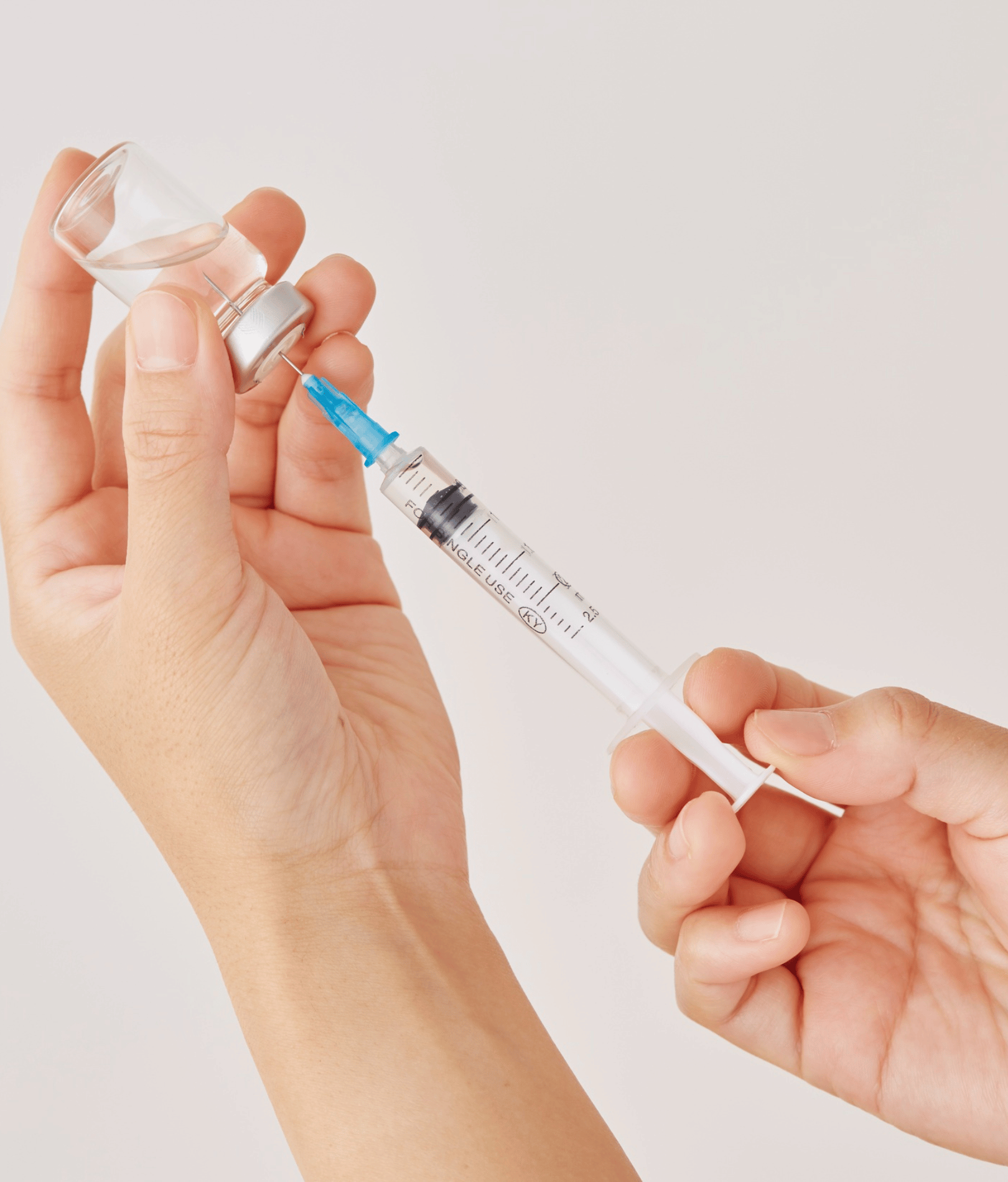
Testosterone Replacement Therapy in Korea: What to Know
Introduction
Testosterone plays an important role in male health, influencing sexual function, muscle and bone health, red blood cell production, body composition, and aspects of mood and energy. Testosterone levels naturally vary between individuals and generally change with age, but consistently low testosterone combined with relevant symptoms may indicate hypogonadism and require medical evaluation.
Testosterone replacement therapy, or TRT, is a medical treatment used for men with confirmed testosterone deficiency when treatment is clinically appropriate. In Korea, men can access hormone evaluation and men's health services through medical clinics, hospitals, and specialized practices. For international patients, South Korea may also offer convenient access to health screening and specialist consultations.
However, TRT is not simply an energy or anti-aging treatment. A proper evaluation should determine whether symptoms are actually related to testosterone deficiency and whether testosterone therapy is safe and appropriate for the individual.
If you are considering testosterone replacement therapy in Korea, understanding diagnosis, treatment options, potential benefits, risks, monitoring, and international-patient considerations can help you make a more informed decision.
What Is Testosterone Replacement Therapy?
Understanding TRT
Testosterone replacement therapy is treatment intended to restore testosterone levels in men who have clinically confirmed testosterone deficiency and compatible symptoms.
Testosterone may be administered in different forms depending on the patient's needs, medical history, availability, and physician recommendations.
Potential treatment forms include:
- Testosterone injections
- Testosterone gels
- Other prescribed testosterone formulations
- Long-acting preparations where medically available
The specific treatment should be selected by a qualified physician rather than based on convenience alone.
TRT is not appropriate for every man
Low energy, reduced motivation, difficulty concentrating, changes in body composition, or reduced sexual desire can have many causes.
These symptoms may be associated with:
- Poor sleep
- Stress
- Obesity
- Certain medications
- Depression
- Thyroid problems
- Metabolic conditions
- Chronic illness
- Nutritional issues
- Age-related changes
- Testosterone deficiency
Because symptoms overlap with many other conditions, testosterone therapy should generally follow appropriate medical evaluation and laboratory confirmation.
How Is Low Testosterone Diagnosed?
Symptoms matter
A testosterone result should not be interpreted in isolation.
A physician may ask about symptoms such as:
- Reduced libido
- Erectile difficulties
- Decreased energy
- Reduced muscle strength
- Changes in body composition
- Low mood
- Reduced motivation
- Difficulty maintaining physical performance
- Reduced spontaneous erections
Not every man with these symptoms has low testosterone, and some men with low laboratory values may have few symptoms.
Blood testing
Testosterone levels can fluctuate depending on the time of day and other factors.
For this reason, clinicians may recommend appropriate morning testing and, when necessary, repeat measurements before diagnosing testosterone deficiency.
Depending on the clinical situation, a doctor may also consider additional tests to investigate the cause of low testosterone.
These may include assessments related to:
- Luteinizing hormone
- Follicle-stimulating hormone
- Prolactin
- Thyroid function
- Blood count
- Metabolic health
- Liver function
- Other relevant markers
The exact testing plan depends on the patient's symptoms and medical history.
Who May Be a Candidate for TRT?
Men with confirmed testosterone deficiency
TRT may be considered for men who have both compatible symptoms and consistently low testosterone levels confirmed through appropriate testing.
The decision should be individualized.
A physician may also investigate whether the low testosterone is caused by an underlying condition that should be addressed first.
Men experiencing persistent symptoms
If symptoms are persistent and significantly affect quality of life, a men's health consultation can help determine whether testosterone is actually contributing to the problem.
This is particularly important because treating an incorrect cause can delay appropriate care.
Potential Benefits of Testosterone Replacement Therapy
Sexual health
For men with clinically confirmed testosterone deficiency, testosterone treatment may improve certain aspects of sexual function, particularly sexual desire.
The response varies between individuals, and TRT should not be presented as a guaranteed treatment for erectile dysfunction.
Erectile problems can have vascular, neurological, psychological, medication-related, and other causes that may require different treatment.
Body composition and muscle health
Testosterone contributes to muscle development and body composition.
In men with genuine testosterone deficiency, medically supervised TRT may support improvements in lean body mass and related physical measures.
However, TRT is not intended as a shortcut for bodybuilding or athletic enhancement.
Bone health
Testosterone is involved in maintaining bone health.
In men with clinically significant testosterone deficiency, appropriate treatment may contribute to improved bone mineral density over time.
The effect depends on the individual's health status and other risk factors.
Energy and overall well-being
Some men with testosterone deficiency report improvements in energy, mood, or general well-being after appropriate treatment.
However, tiredness has many potential causes, so TRT should not be assumed to improve fatigue when testosterone deficiency has not been established.
Types of Testosterone Therapy
Testosterone injections
Injections are one of the commonly recognized forms of testosterone treatment.
Depending on the specific preparation, injections may be administered at different intervals.
Potential advantages include predictable dosing under medical supervision, while limitations can include fluctuations in hormone levels with certain formulations and the need for repeat administration.
Testosterone gels
Transdermal testosterone gels are applied to the skin and absorbed gradually.
They can provide an alternative to injections for some patients.
However, correct application is important because testosterone can potentially transfer to another person through skin contact if appropriate precautions are not followed.
Longer-acting formulations
Some testosterone preparations are designed to last longer between doses.
Availability and treatment protocols can vary by country and clinic, so international patients should confirm which medically approved options are available in Korea before traveling.
What Happens During TRT Treatment in Korea?
Initial consultation
The process generally begins with a medical consultation.
The physician reviews symptoms, medical history, medications, lifestyle factors, reproductive goals, and previous testosterone results.
Hormone testing
Appropriate laboratory testing is used to determine whether testosterone levels are consistently low and whether additional investigations are needed.
A doctor may also evaluate other health markers before recommending treatment.
Treatment selection
If TRT is considered appropriate, the physician can discuss available formulations and explain:
- Dose
- Administration method
- Treatment schedule
- Expected benefits
- Possible side effects
- Monitoring requirements
- Follow-up schedule
Ongoing monitoring
TRT is not a one-time treatment.
Patients generally need follow-up to assess symptoms, testosterone levels, and potential treatment-related effects.
Depending on the patient and treatment, monitoring may include blood count and other health assessments.
Potential Risks and Side Effects of TRT
Changes in red blood cell levels
Testosterone can increase red blood cell production.
In some patients, this can lead to elevated hematocrit levels, which is one reason appropriate blood monitoring is important during treatment.
Acne and skin changes
Hormonal changes can contribute to acne or increased oily skin in some men.
The severity varies between individuals.
Changes in fertility
One of the most important considerations for men planning to have children is fertility.
Exogenous testosterone can suppress the body's natural production of testosterone and sperm. As a result, TRT may reduce sperm production and can negatively affect fertility.
Men who are trying to conceive should tell their physician before starting testosterone therapy.
Prostate considerations
Testosterone therapy requires appropriate evaluation and monitoring of prostate health based on the patient's age, symptoms, and individual risk factors.
Men should discuss urinary symptoms and relevant prostate history with their doctor before treatment.
Other possible concerns
Depending on the individual, clinicians may also consider:
- Fluid retention
- Changes in sleep apnea symptoms
- Breast tenderness or enlargement
- Mood changes
- Changes in cholesterol
- Cardiovascular considerations
The risks and benefits should be assessed individually rather than assuming TRT is either universally safe or universally dangerous.
TRT and Fertility: An Important Consideration
Why testosterone therapy can affect sperm production
The body normally regulates testosterone production through hormonal signals between the brain and testes.
When external testosterone is introduced, these signals can be suppressed. This can reduce the testes' stimulation and subsequently lower sperm production.
Therefore, men considering TRT should discuss fertility plans before treatment.
Alternative approaches may be considered
For men with low testosterone who are actively trying to conceive, a physician may consider other medical approaches depending on the underlying cause.
Patients should not stop, start, or replace hormone treatment without medical guidance.
TRT for Aging Men in Korea
Age-related testosterone changes
Testosterone levels often decline gradually with age, but aging alone does not necessarily mean that testosterone therapy is appropriate.
A man should not be diagnosed with testosterone deficiency solely because he is older.
Symptoms, laboratory results, medical history, and individual health risks all matter.
Avoiding the "anti-aging" promise
TRT should not be marketed as a universal anti-aging solution.
While medically appropriate treatment can benefit men with confirmed testosterone deficiency, there is an important distinction between treating a medical condition and using testosterone simply to pursue higher hormone levels.
TRT and Erectile Dysfunction
Low testosterone is only one possible factor
Erectile dysfunction can occur for many reasons, including vascular disease, diabetes, neurological conditions, psychological factors, medication effects, and hormonal problems.
Men with erectile difficulties should therefore receive an appropriate evaluation rather than assuming testosterone is the cause.
If testosterone deficiency is confirmed, treatment may be considered as part of a broader management plan.
Why Consider Testosterone Treatment in Korea?
Access to medical evaluation
South Korea has a well-developed healthcare system with specialist services and health-screening infrastructure.
For men seeking hormone evaluation, the most important consideration should be access to qualified medical professionals who can diagnose the underlying problem and provide appropriate monitoring.
International patient services
Korea has established systems for international healthcare services.
Foreign patients should confirm whether a clinic has experience with international patients and whether interpretation or multilingual support is available.
It is also useful to clarify how laboratory results, prescriptions, medical records, and follow-up will be handled after returning home.
How Much Does TRT Cost in Korea?
Why prices vary
There is no single standard price for testosterone replacement therapy in Korea.
Total costs can depend on:
- Initial consultation
- Hormone testing
- Additional laboratory tests
- Medication type
- Treatment frequency
- Follow-up appointments
- Monitoring blood tests
- Clinic location
- International patient services
A lower initial price does not necessarily represent better value if important monitoring or follow-up services are excluded.
Ask for a complete cost breakdown
Before starting treatment, international patients should ask whether the quoted price includes:
- Consultation
- Testosterone testing
- Additional hormone testing
- Medication
- Administration fees
- Follow-up visits
- Monitoring blood work
This makes it easier to compare providers accurately.
How to Choose a TRT Clinic in Korea
Check medical qualifications
Choose a clinic where testosterone treatment is managed by an appropriately qualified physician.
Consider the doctor's experience with men's hormonal health rather than choosing solely on the basis of advertising.
Ask about diagnosis before treatment
A reputable provider should explain how testosterone deficiency will be confirmed.
Be cautious if a clinic recommends TRT immediately without discussing symptoms, medical history, appropriate testing, and potential risks.
Ask about monitoring
Long-term hormone treatment requires follow-up.
Before starting, ask how often testosterone levels and other relevant health markers will be checked and what happens if treatment causes side effects.
Tips for International Patients
Bring previous medical records
If you have already undergone hormone testing in your home country, bring copies of:
- Testosterone results
- Other hormone tests
- Blood counts
- Medical history
- Medication lists
- Previous imaging or specialist reports
Previous results can help the Korean physician understand your history, although repeat testing may still be recommended.
Plan for follow-up
TRT is generally an ongoing treatment rather than a single appointment.
International patients should understand how follow-up will work if they return home after starting treatment.
Ask the clinic for written treatment information and copies of relevant laboratory results.
Check medication rules before traveling
If you are prescribed testosterone and need to carry medication internationally, check the regulations of both Korea and your home country.
Controlled-substance and prescription medication rules can vary between countries.
TRT vs. Natural Testosterone Support
Testosterone Replacement TherapyLifestyle-Based SupportRequires medical evaluationFocuses on daily habitsUses prescribed testosteroneDoes not directly provide testosteroneAppropriate for confirmed deficiencyUseful for general healthRequires monitoringUsually lower medical riskMay affect fertilityGenerally supports overall healthNot suitable for everyoneAppropriate habits benefit most men
Healthy sleep, regular exercise, balanced nutrition, healthy body weight, and stress management can support overall health regardless of whether TRT is ultimately prescribed.
What Results Can You Expect From TRT?
Results vary between patients
The response to testosterone treatment is individual.
Some effects may become noticeable relatively early, while changes involving body composition, muscle, or bone health generally take longer.
Treatment should be evaluated based on both symptoms and objective monitoring rather than assuming that a higher testosterone level automatically means better health.
Regular follow-up is important
If TRT is prescribed, follow-up allows the physician to determine whether:
- Symptoms are improving
- Testosterone levels are appropriate
- The dose remains suitable
- Side effects are developing
- Additional medical evaluation is needed
Treatment may need adjustment over time.
When Should You Consider a Men's Hormone Consultation?
Persistent symptoms
Men experiencing persistent low libido, reduced energy, unexplained changes in body composition, reduced physical performance, or other compatible symptoms may benefit from discussing their concerns with a physician.
Before starting testosterone independently
Online testosterone products, bodybuilding hormones, or self-prescribed testosterone can carry significant risks.
Medical evaluation is important before beginning hormone therapy.
Conclusion
Testosterone replacement therapy in Korea can be an option for men with medically confirmed testosterone deficiency and appropriate symptoms, but it should be approached as a medical treatment rather than a general energy or anti-aging solution.
A proper evaluation may include symptom assessment, hormone testing, investigation of possible underlying causes, and discussion of fertility and other health considerations. If TRT is prescribed, ongoing monitoring is an important part of safe management.
For international patients, Korea offers established healthcare infrastructure and services for overseas visitors. However, the quality of the medical evaluation and long-term follow-up should be more important than simply finding the lowest treatment price.
Before starting TRT, choose a qualified physician, understand the treatment plan, ask about monitoring, and make sure the approach fits your health needs and future fertility plans.
FAQs
What is testosterone replacement therapy?
Testosterone replacement therapy is a prescribed medical treatment used to restore testosterone levels in men with confirmed testosterone deficiency when treatment is clinically appropriate.
How is low testosterone diagnosed?
Diagnosis generally considers both compatible symptoms and appropriately performed laboratory testing. A physician may recommend repeat testosterone testing and additional tests when necessary.
Can I get testosterone replacement therapy in Korea?
Men may be able to receive TRT in Korea after appropriate medical evaluation. Treatment availability and protocols vary between healthcare providers.
Does TRT increase energy?
Some men with confirmed testosterone deficiency may experience improved energy or well-being, but fatigue has many possible causes. TRT should not be used as a general energy treatment without appropriate diagnosis.
Can TRT affect fertility?
Yes. External testosterone can suppress natural testosterone production and sperm production. Men planning to have children should discuss fertility before starting TRT.
Is TRT suitable for older men?
Age alone does not determine whether TRT is appropriate. Older men should be evaluated based on symptoms, testosterone levels, medical history, and individual risks.
How often do I need monitoring during TRT?
Monitoring schedules vary according to the treatment, dose, health history, and physician's recommendations. Regular follow-up is important to assess effectiveness and potential side effects.
How much does testosterone replacement therapy cost in Korea?
Costs vary depending on consultation, testing, medication, administration, follow-up, and monitoring. Patients should request a complete cost breakdown before treatment.
Can international patients receive TRT in Korea?
International patients may access men's health and hormone services in Korea, but they should confirm international-patient support, medical credentials, prescription arrangements, and follow-up options before booking.
Can I stop TRT after starting it?
Stopping testosterone therapy should be discussed with your physician. Because external testosterone can suppress natural hormone production, patients should not make treatment changes without medical guidance.