Winter Skin Treatments Popular in Korean Dermatology
Introduction
Winter can be one of the most useful seasons to focus on professional skin care. Lower humidity, cold air, indoor heating, and reduced moisture can leave the skin dry, irritated, rough, or more sensitive. For patients visiting South Korea, winter is also a popular time to explore Korean dermatology treatments aimed at hydration, pigmentation, texture, acne scars, fine lines, and overall skin rejuvenation.
Korean dermatology clinics offer a wide range of medical and aesthetic procedures, from hydration-focused treatments and gentle lasers to RF microneedling, chemical peels, skin boosters, and collagen-stimulating procedures. However, the best winter treatment depends on the patient's skin condition, treatment history, and tolerance for downtime.
Winter does not automatically mean every intensive procedure is suitable. A dermatologist should evaluate the skin first, particularly when the skin barrier is already dry or irritated.
Why Winter Is Popular for Korean Skin Treatments
Lower UV exposure can be helpful
Compared with periods of intense summer sun exposure, winter may make it easier for some patients to manage recovery after selected procedures.
However, UV protection remains important during winter. UV radiation is still present, especially when spending time outdoors.
Cooler weather may make recovery more comfortable
Some treatments can cause temporary redness, swelling, or warmth.
Cooler temperatures may feel more comfortable during recovery, although patients should still avoid excessive cold exposure and follow their clinic's aftercare instructions.
Patients often focus on skin repair
Winter dryness can make concerns such as:
- Fine lines
- Rough texture
- Dehydration
- Flaking
- Dullness
more noticeable.
This makes winter a practical time to reassess the skin and build a longer-term treatment plan.
Popular Winter Skin Treatments in Korean Dermatology
Hydration-focused treatments
Hydration is one of the most common winter skin concerns.
A dermatologist may recommend professional treatments or medical skincare designed to improve skin hydration and barrier support.
The exact approach depends on whether the problem is simple dryness or a more significant dermatological condition.
Skin boosters
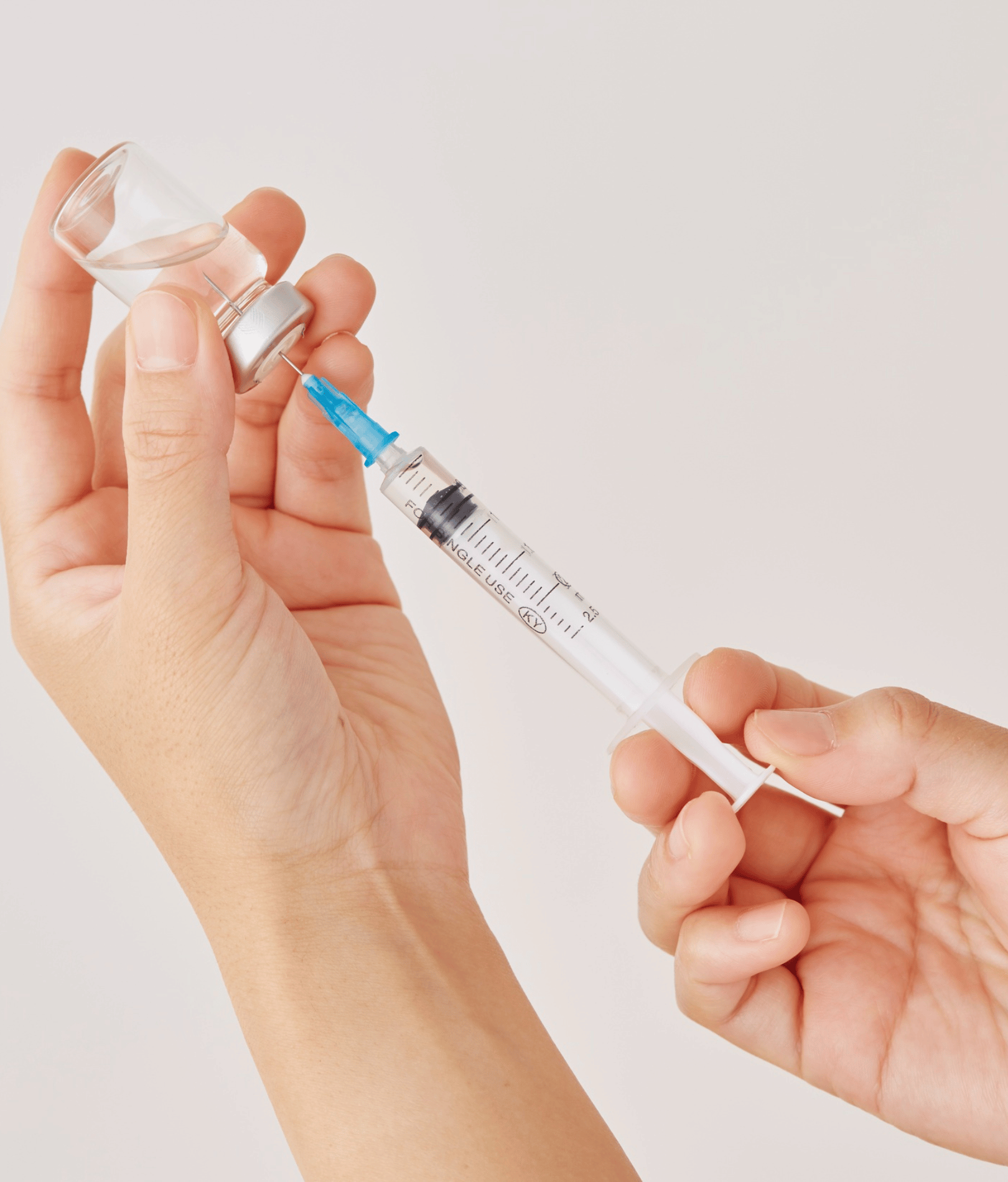
Injectable skin boosters are popular in Korean aesthetic clinics.
Depending on the product, they may be used to address concerns such as:
- Dehydrated skin
- Fine lines
- Uneven texture
- Loss of skin quality
Some treatments can cause temporary swelling, bruising, or small bumps, so patients should allow appropriate recovery time.
Rejuran
Rejuran is a well-known Korean aesthetic treatment based on polynucleotide technology.
It is commonly marketed for skin-quality improvement rather than dramatic structural changes.
Patients may consider it for concerns such as:
- Fine lines
- Texture
- Dehydrated-looking skin
- Overall skin quality
Results and suitability vary between individuals.
Laser Treatments in Winter
Pico laser
Pico laser may be used for selected pigmentation and skin-rejuvenation concerns.
Depending on the device and treatment settings, it can address concerns such as:
- Pigmentation
- Uneven skin tone
- Certain sun-related spots
- Skin texture
A dermatologist should first determine whether the pigmentation is actually suitable for laser treatment.
Laser toning
Laser toning is commonly offered in Korean dermatology clinics for uneven pigmentation and skin tone.
It generally involves a series of treatments rather than expecting dramatic results from one appointment.
Patients with melasma or pigmentation-prone skin should receive individualized treatment because excessive laser energy can sometimes worsen pigmentation.
Fractional laser
Fractional laser treatment can stimulate skin remodeling and may be used for:
- Acne scars
- Fine lines
- Uneven texture
- Enlarged pores
It may involve more downtime than gentler laser treatments.
Winter can be convenient for some patients because they may have fewer outdoor activities, but strict aftercare is still necessary.
RF Microneedling in Winter
Why patients choose it
RF microneedling combines controlled microneedling with radiofrequency energy.
It may be considered for:
- Acne scars
- Enlarged pores
- Fine lines
- Skin laxity
- Uneven texture
Recovery considerations
Temporary redness, swelling, and sensitivity are possible.
Winter treatment can be practical for patients who prefer to avoid intense summer sun exposure, but cold, dry air can also increase skin discomfort.
Good post-treatment moisturization and adherence to medical aftercare are important.
Microneedling for Skin Texture
Collagen remodeling
Traditional microneedling creates controlled micro-injuries that stimulate the skin's healing response.
It may be considered for selected concerns such as:
- Acne scars
- Uneven texture
- Fine lines
- Enlarged pores
It is not appropriate for every patient, particularly when active inflammatory skin conditions are present.
Chemical Peels During Winter
Why winter can be convenient
Chemical peels can increase sensitivity to sunlight.
For some patients, winter may make sun avoidance easier than summer.
However, winter dryness can also increase irritation.
Choose the peel carefully
Peels vary considerably in strength.
A dermatologist may recommend a superficial peel for certain concerns while avoiding stronger treatments if the skin barrier is compromised.
Potential effects include:
- Dryness
- Peeling
- Redness
- Sensitivity
Acne Treatments in Winter
Winter acne is still common
Cold weather does not necessarily eliminate acne.
Some patients experience breakouts because of:
- Heavy moisturizers
- Occlusive products
- Indoor heating
- Changes in skincare
- Hormonal factors
A dermatologist can determine whether acne medication, extraction, chemical peeling, or another approach is appropriate.
Treat acne before focusing heavily on scars
If active inflammatory acne is continuing, controlling the acne should generally be a priority before aggressive scar procedures.
Pigmentation Treatments During Winter
Winter may be practical for selected laser treatments
Some patients prefer winter for pigmentation procedures because avoiding strong sun exposure can be easier.
Nevertheless, sunscreen remains important.
Melasma needs careful management
Melasma can recur and may respond unpredictably to treatment.
A dermatologist may recommend a combination of:
- Sun protection
- Medical skincare
- Selected laser treatments
- Other dermatologist-directed therapies
Aggressive treatment is not necessarily better.
Collagen-Stimulating Treatments
Ultrasound-based treatments
Selected ultrasound-based procedures may be used to address skin laxity and stimulate tissue remodeling.
They are generally chosen based on the patient's degree of laxity and treatment goals.
Radiofrequency treatments
RF-based procedures can deliver controlled heat to the skin and deeper tissues.
Depending on the device, they may target:
- Fine lines
- Skin laxity
- Texture
- Collagen remodeling
A consultation is important because different RF technologies have different treatment depths and indications.
Winter Skin Treatments for Fine Lines
Start with hydration
Dehydration can make fine lines appear more pronounced.
Before immediately choosing an intensive procedure, a dermatologist may evaluate whether improving the skin barrier and hydration could address part of the concern.
Combine treatments selectively
Depending on the patient, a plan may include skincare plus a collagen-stimulating procedure.
The best combination depends on skin quality, age, facial anatomy, and treatment goals.
Treatments for Enlarged Pores
Why pores look more noticeable in winter
Dryness and uneven texture can make pores appear more visible.
Potential treatment options may include:
- RF microneedling
- Fractional laser
- Microneedling
- Medical skincare
- Selected chemical peels
The cause of enlarged pores should be considered before selecting a procedure.
Winter Scar Treatments
Acne scars
Selected procedures can improve the appearance of atrophic acne scars.
Depending on scar type, options may include:
- RF microneedling
- Fractional laser
- Microneedling
- Subcision
- Combination treatment
Different scar types require different approaches.
Surgical scars
If you have scars from previous plastic surgery, ask your surgeon before receiving laser or other procedures near the surgical area.
Scar treatment should begin only when the incision has sufficiently healed.
Winter Skin Barrier Care
Why the barrier matters
Cold air and indoor heating can increase water loss from the skin.
Signs of a compromised barrier can include:
- Tightness
- Flaking
- Stinging
- Redness
- Increased sensitivity
If these symptoms are present, aggressive cosmetic treatment may need to be postponed.
Use a simple routine
A winter routine may focus on:
- Gentle cleansing
- Moisturization
- Appropriate sunscreen
- Dermatologist-recommended active ingredients
Avoid adding several new products simultaneously.
How to Prepare for a Korean Dermatology Appointment
Before treatment
Tell your dermatologist about:
- Current medications
- Allergies
- Previous cosmetic procedures
- Previous laser treatments
- Active skin conditions
- Recent sun exposure
If you are traveling internationally, also mention how long you will remain in Korea.
Plan for downtime
Ask:
- Will my skin peel?
- How long will redness last?
- Can I wear makeup afterward?
- Can I fly soon after treatment?
- When can I return to my normal skincare routine?
- Will I need another session?
Winter Dermatology for International Patients
Plan around your travel itinerary
Patients visiting Seoul may want to combine shopping, sightseeing, dermatology appointments, and medical procedures.
However, intensive treatments can create downtime.
Avoid planning a demanding sightseeing schedule immediately after a procedure if you expect significant swelling or sensitivity.
Protect your skin from cold weather
Cold, dry air can be uncomfortable after procedures.
Use the skincare products recommended by your clinic and avoid unnecessary exposure to extreme cold.
How to Choose a Korean Dermatology Clinic
Look for medical assessment
A reputable clinic should evaluate your skin before recommending treatment.
Avoid choosing a procedure solely because it is popular on social media.
Ask about the exact technology
If a clinic recommends a laser or RF treatment, ask:
- What device is being used?
- What concern is it treating?
- How many sessions may be needed?
- What downtime should I expect?
- What are the potential risks?
What Winter Treatments May Not Be Appropriate for Everyone
Aggressive resurfacing on irritated skin
If your skin is already dry, cracked, or inflamed, aggressive resurfacing may increase irritation.
Your dermatologist may recommend restoring the skin barrier first.
Too many procedures in one visit
Combining several intensive treatments can increase inflammation and make recovery harder to predict.
A staged treatment plan may be more appropriate.
Winter Skin Treatment Checklist
Before treatment
- Schedule a dermatology consultation
- Explain your skin concerns
- Bring your medication list
- Mention previous procedures
- Discuss your travel schedule
- Ask about downtime
After treatment
- Follow aftercare instructions
- Moisturize appropriately
- Use sun protection
- Avoid excessive exfoliation
- Avoid picking or scratching treated skin
- Attend follow-up appointments when recommended
Common Mistakes During Winter
Over-exfoliating dry skin
Trying to remove winter flaking with aggressive scrubs can damage the skin barrier.
Skipping sunscreen
Winter does not eliminate UV exposure.
Daily sun protection remains important, especially after dermatology procedures.
Ignoring irritation
Persistent burning or severe redness should not simply be treated as normal dryness.
Ask a dermatologist if symptoms continue or worsen.
Expecting immediate transformation
Many skin treatments require several sessions or gradual collagen remodeling.
Realistic expectations are essential.
Conclusion
Winter skin treatments in Korean dermatology clinics range from hydration-focused skincare and skin boosters to laser treatments, chemical peels, RF microneedling, collagen-stimulating procedures, and acne or pigmentation therapies.
Winter can be a convenient season for certain treatments because patients may have less intense sun exposure and more opportunities to plan recovery. However, cold air and low humidity can also make the skin barrier more vulnerable.
The most effective approach is not simply choosing the most popular Korean treatment. Start with a professional skin assessment, identify the primary concern, and select a treatment that matches your skin condition and recovery schedule.
For international patients visiting South Korea, planning is particularly important. Give yourself enough time for recovery, follow the clinic's aftercare instructions, and maintain appropriate sun and cold-weather protection throughout your trip.
FAQs
What are the most popular winter skin treatments in Korea?
Popular options include hydration-focused treatments, Rejuran, skin boosters, Pico laser, laser toning, fractional laser, RF microneedling, chemical peels, and acne treatments.
Is winter a good time for laser treatment in Korea?
Winter can be convenient for some laser treatments because sun exposure may be easier to manage, but sunscreen remains important. Treatment suitability depends on the patient's skin and the specific laser.
Is Pico laser good for winter skin?
Pico laser may be useful for selected pigmentation and skin-rejuvenation concerns. A dermatologist should determine whether it is appropriate for your specific condition.
**Can I get RF microneedling during winter?
Yes, RF microneedling may be performed during winter for appropriate patients. Because it can cause redness and sensitivity, good post-treatment moisturization and aftercare are important.
Is Rejuran popular in Korean dermatology clinics?
Yes. Rejuran is widely offered in Korean aesthetic dermatology and is generally positioned as a skin-quality treatment. Suitability varies between patients.
Can winter dryness make skin treatments more difficult?
Yes. If the skin barrier is already irritated or excessively dry, some intensive treatments may need to be delayed until the skin becomes more stable.
Should I use sunscreen in winter after a Korean skin treatment?
Yes. UV protection remains important during winter and is particularly important after treatments that increase skin sensitivity.
**How many Korean dermatology treatments should I have during a winter trip?
There is no universal number. A dermatologist should consider your skin condition, treatment intensity, downtime, and how long you will remain in Korea.
**Can Korean dermatology treat acne scars in winter?
Yes. Depending on the scar type, treatments such as RF microneedling, fractional laser, microneedling, and subcision may be considered.
**Is winter better than summer for Korean skin treatments?
Not necessarily. Winter may be more convenient for some procedures, but the best season depends on the treatment, your skin condition, sun exposure, and recovery requirements.