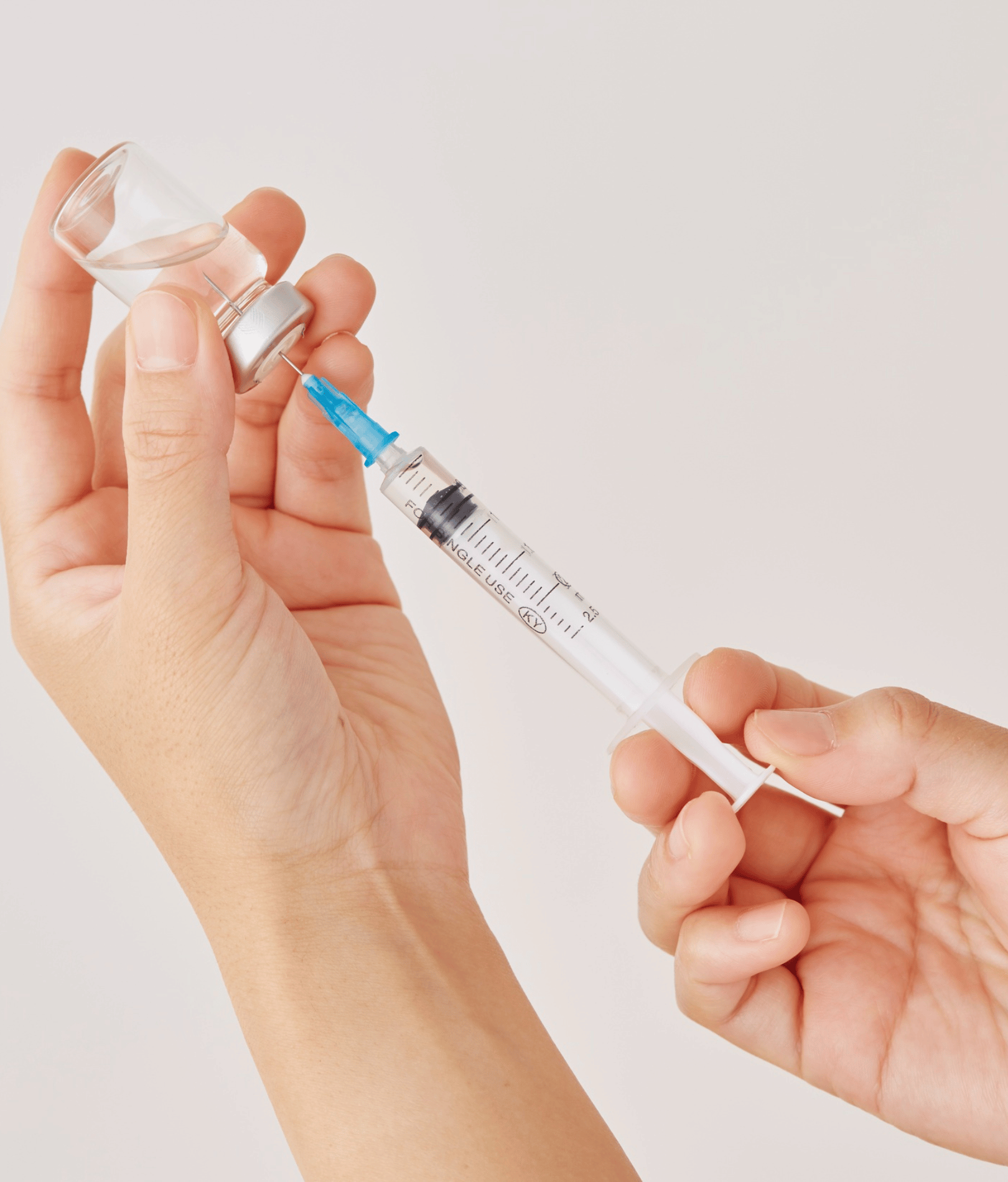
Annual Anti-Aging Treatment Plans in Gangnam, Korea
Introduction
An annual anti-aging treatment plan can help patients approach aesthetic care as an ongoing process rather than a series of unrelated procedures. In Gangnam, Korea, dermatology clinics offer a wide range of treatments that can be scheduled throughout the year according to changes in skin quality, facial movement, pigmentation, elasticity, and volume.
Korean aesthetic medicine is particularly known for combining subtle treatments instead of relying on one aggressive procedure. Depending on the patient's age and concerns, an annual plan may include Botox, skin boosters, Rejuran, Juvelook, RF microneedling, laser treatments, Thermage, Ultherapy, HIFU, dermal fillers, or other collagen-focused procedures.
However, an annual treatment plan should not mean receiving an aesthetic procedure every month. Some treatments may be appropriate several times a year, while others are performed less frequently. The correct timing depends on the treatment, intensity, individual response, and medical assessment.
For international patients, planning treatments over a full year can also make travel to Seoul more efficient. Instead of booking procedures simply because they are popular, patients can coordinate treatments around their skin goals, recovery periods, and travel schedule.
This guide explains how annual anti-aging treatment plans in Gangnam can be structured, which treatments may be included, how to combine procedures safely, and what international patients should consider before committing to a long-term aesthetic plan.
Why Consider an Annual Anti-Aging Plan?
A long-term approach to skin aging
Aging affects several aspects of the face at the same time.
Patients may gradually experience:
- Fine lines
- Reduced skin elasticity
- Pigmentation
- Uneven texture
- Loss of firmness
- Facial volume changes
- Enlarged pores
- Mild jawline laxity
- Neck wrinkles
An annual plan can address these concerns at different stages rather than attempting to correct everything during one visit.
Maintenance rather than over-treatment
The objective of an annual plan should be maintenance and targeted correction.
A good provider should also tell you when another treatment is unnecessary.
More procedures do not automatically produce better results. Excessive treatment can increase cost, downtime, and the risk of complications.
How Korean Clinics Approach Preventive Anti-Aging
Starting before major aging develops
Some patients begin preventive aesthetic treatments before significant wrinkles or laxity appear.
Potential maintenance options may include:
- Conservative Botox
- Skin boosters
- Rejuran
- Juvelook
- Laser treatments
- RF microneedling
- Sunscreen and medical skincare
- Selected tightening treatments
The goal is generally to maintain skin quality and facial harmony rather than dramatically change facial features.
Individualized treatment is essential
Age alone should not determine an anti-aging plan.
Two patients of the same age may have very different levels of pigmentation, skin laxity, volume loss, or collagen depletion.
A dermatologist should therefore evaluate the actual condition of the skin and face before creating a yearly schedule.
Botox in an Annual Anti-Aging Plan
Managing dynamic wrinkles
Botox temporarily reduces muscle activity and may be considered for:
- Forehead lines
- Frown lines
- Crow's feet
- Selected neck muscle concerns
- Masseter enlargement
Some patients use Botox as part of ongoing maintenance when dynamic wrinkles begin to return.
Why conservative dosing matters
Korean aesthetic treatment often emphasizes natural facial movement.
The objective does not have to be eliminating every expression line.
A skilled provider can adjust dosage according to facial movement, anatomy, and the patient's desired appearance.
Repeat treatment should be based on individual response rather than an automatic calendar schedule.
Rejuran for Long-Term Skin Quality
What Rejuran may address
Rejuran is a polynucleotide-based injectable commonly associated with Korean skin rejuvenation.
It may be considered for:
- Fine lines
- Uneven texture
- Reduced elasticity
- Thin-looking skin
- Dehydrated-looking skin
- Overall skin quality
How it may fit into a yearly plan
Rejuran may be used as part of a skin-quality program rather than a one-time corrective procedure.
Some patients may undergo an initial series followed by less frequent maintenance, depending on the product protocol and clinician's recommendations.
Temporary swelling, redness, bruising, or small bumps may occur after injections.
Juvelook and Collagen-Focused Maintenance
Why Juvelook is popular
Juvelook is another injectable treatment discussed in Korean aesthetic dermatology.
It may be considered for:
- Fine lines
- Enlarged pores
- Uneven texture
- Reduced elasticity
- Early signs of aging
It is generally approached as a collagen-focused skin-rejuvenation treatment rather than a conventional volume filler.
Including Juvelook in annual planning
The appropriate number of treatments and interval varies.
Patients should ask whether the clinic recommends an initial treatment course, maintenance sessions, or both.
The treatment should be based on current skin quality rather than automatically repeated because it was included in a previous package.
Skin Boosters for Hydration and Skin Quality
When skin boosters may be useful
HA-based and other skin boosters may be considered for patients with:
- Dehydrated-looking skin
- Fine dehydration lines
- Rough texture
- Dullness
- Reduced elasticity
These treatments generally focus on skin quality rather than creating significant facial volume.
How to schedule them
Skin boosters can produce temporary swelling, bruising, redness, and injection-site bumps.
Patients should therefore schedule them with enough recovery time before important events.
RF Microneedling for Texture and Collagen Remodeling
What RF microneedling can address
RF microneedling combines microneedling with radiofrequency energy.
It may be considered for:
- Acne scars
- Enlarged pores
- Uneven texture
- Fine lines
- Mild skin laxity
- Reduced firmness
Korean clinics may offer technologies such as Potenza, Sylfirm X, and other RF microneedling systems.
Why it can be part of annual maintenance
RF microneedling can be used periodically to address texture and skin quality.
The interval should depend on treatment intensity and individual healing.
Aggressive RF microneedling should not be repeated simply because a yearly package includes multiple sessions.
Laser Treatments Throughout the Year
Managing pigmentation and uneven tone
Laser and light-based treatments may be considered for:
- Sun spots
- Uneven pigmentation
- Redness
- Certain vascular concerns
- Acne-related marks
- Uneven skin tone
The correct technology depends on the underlying condition.
Why diagnosis matters
Not all pigmentation should be treated in the same way.
For example, melasma can behave differently from isolated sun spots, and aggressive treatment may not be appropriate for every patient.
A dermatologist should determine the diagnosis before planning repeated laser treatments.
Thermage for Longer-Term Skin Tightening
When Thermage may be considered
Thermage uses radiofrequency energy to heat tissue and stimulate collagen remodeling.
It may be considered for:
- Mild facial laxity
- Fine lines
- Reduced firmness
- Early jawline changes
- Selected neck concerns
Does Thermage need to be performed annually?
Not necessarily.
Some patients may benefit from periodic Thermage treatments, while others may require longer intervals.
An annual plan can include a reassessment rather than automatically scheduling Thermage every year.
Ultherapy and HIFU for Laxity
Targeting deeper tissue
Ultherapy and other HIFU platforms use focused ultrasound energy to target selected tissue depths.
They may be considered for:
- Mild to moderate laxity
- Jawline definition
- Lower-face firmness
- Neck tightening
- Early facial sagging
Why treatment timing matters
Ultrasound-based treatments should be performed according to the specific device, treatment intensity, anatomy, and clinical indication.
More frequent treatment is not automatically better.
Patients should ask how long the expected effect may last and when reassessment is recommended.
Dermal Fillers for Volume Loss
When fillers may be appropriate
As the face ages, volume can change in areas such as:
- Cheeks
- Temples
- Chin
- Lips
- Midface
Hyaluronic acid fillers may be considered for selected patients who need temporary volume restoration or facial balancing.
Avoiding overfilling
An annual anti-aging plan should not automatically include filler every year.
Some patients may require only occasional correction.
The goal should be facial balance and appropriate volume rather than continuously adding filler.
Facial Balancing and Contouring
Small changes can make a difference
Anti-aging is not only about wrinkles.
Changes in the chin, cheeks, temples, lips, or jawline can influence overall facial proportions.
A Korean dermatologist may evaluate the face as a whole before recommending:
- Chin filler
- Cheek filler
- Temple filler
- Masseter Botox
- Skin tightening
- Skin-quality treatments
The goal is usually harmony rather than dramatic transformation.
A Sample Annual Anti-Aging Treatment Plan
Months 1–3: Assessment and skin quality
The first quarter can begin with a comprehensive consultation and baseline skin assessment.
Depending on the patient's needs, treatment may focus on:
- Pigmentation
- Hydration
- Fine lines
- Skin texture
- Dynamic wrinkles
Potential procedures may include a suitable laser, skin booster, Rejuran, Juvelook, or conservative Botox.
Not every patient needs all of these.
Months 4–6: Collagen and texture
The second part of the year may focus on collagen remodeling and skin firmness.
Depending on the patient's condition, options may include:
- RF microneedling
- Reassessment of pigmentation
- Additional skin-quality treatment
- Conservative Botox maintenance
The exact sequence should be determined by the clinician.
Months 7–9: Tightening or targeted correction
If mild laxity becomes the primary concern, the clinician may consider:
- Thermage
- Ultherapy
- HIFU
- RF-based tightening
If the issue is volume loss rather than laxity, selected filler treatment may be considered instead.
Months 10–12: Review and maintenance
The final quarter should focus on reassessment rather than automatically adding more procedures.
The clinician can review:
- Skin texture
- Pigmentation
- Fine lines
- Elasticity
- Facial volume
- Jawline definition
- Previous treatment response
The following year's plan can then be adjusted.
Annual Anti-Aging Plans by Age
Patients in their 20s
A maintenance plan may focus primarily on:
- Sun protection
- Acne or acne marks
- Hydration
- Pigmentation prevention
- Conservative skin-quality treatments
Aggressive anti-aging procedures are not automatically necessary.
Patients in their 30s
Some patients may begin addressing:
- Early fine lines
- Pigmentation
- Reduced elasticity
- Skin texture
- Early facial laxity
Conservative Botox, skin boosters, laser treatments, or collagen-focused procedures may be considered.
Patients in their 40s
Treatment plans may increasingly address:
- Fine lines
- Skin laxity
- Volume changes
- Pigmentation
- Reduced firmness
- Neck aging
A combination of skin-quality and tightening treatments may be considered when appropriate.
Patients in their 50s and beyond
Treatment may focus more strongly on:
- Skin laxity
- Volume loss
- Deeper wrinkles
- Jawline changes
- Neck aging
- Overall skin quality
Non-surgical treatments can provide meaningful improvements for selected patients, but significant loose skin may require a surgical consultation.
Combining Treatments Safely
Why combinations may be useful
Different treatments address different mechanisms of aging.
For example:
- Botox targets muscle activity.
- Fillers restore selected volume.
- Skin boosters target skin quality.
- Lasers address pigmentation or vascular concerns.
- RF microneedling targets texture and collagen remodeling.
- Thermage and HIFU focus more on tightening.
Combining treatments can therefore be useful when a patient has several concerns.
Treatment spacing matters
Not every procedure should be performed at the same time.
The appropriate sequence depends on:
- Treatment type
- Injection areas
- Energy level
- Skin sensitivity
- Recovery
- Previous procedures
A qualified provider should determine the safest timing.
Annual Maintenance for International Patients
Planning trips to Seoul
International patients may not be able to visit Korea every few months.
A yearly plan can therefore be structured around one or two longer trips.
Before traveling, confirm:
- Exact treatment
- Number of sessions
- Treatment intervals
- Recovery time
- Product or device
- Total cost
- Follow-up options
Some treatments can be completed during one visit, while others require multiple sessions.
Allow enough recovery time
Do not schedule intensive treatments immediately before:
- A wedding
- Photoshoot
- Filming
- Business event
- Long-haul flight
Swelling, redness, bruising, or sensitivity may temporarily affect appearance.
How Much Does an Annual Anti-Aging Plan Cost in Gangnam?
Why prices vary
There is no universal cost for an annual treatment plan.
The total can depend on:
- Treatments selected
- Products used
- Device
- Number of sessions
- Treatment areas
- Provider
- Clinic
- Combination procedures
- Aftercare
- VAT
A plan involving occasional Botox and skin boosters will cost very differently from one involving fillers, RF treatments, lasers, and energy-based tightening.
How to compare annual packages
Before purchasing a package, ask:
- Which treatments are included?
- How many sessions are included?
- Which products or devices will be used?
- Who performs each procedure?
- Are consultation and aftercare included?
- Is VAT included?
- What happens if a treatment is not medically appropriate later?
- Can unused sessions be transferred or refunded?
The largest discount is not necessarily the best value.
How to Choose a Gangnam Clinic
Look for continuity of care
Annual treatment works best when the clinic can track changes over time.
Ask whether the clinic records:
- Previous treatments
- Product information
- Injection areas
- Botox dosage
- Filler amounts
- Laser settings
- RF treatment parameters
- Skin assessments
This information can help guide future treatment.
Choose medical expertise over trends
Social media can make a treatment appear universally beneficial.
A good clinic should instead explain why a particular procedure is appropriate for your skin and anatomy.
It should also be willing to recommend no treatment when no intervention is necessary.
Risks and Side Effects
Potential temporary effects
Depending on the procedure, annual anti-aging treatments can cause:
- Redness
- Swelling
- Bruising
- Tenderness
- Dryness
- Temporary sensitivity
- Injection-site bumps
Energy-based treatments can also cause irritation or pigmentation changes.
Potential serious complications
Injectables and energy-based treatments can have uncommon but significant complications.
Fillers, for example, can cause vascular complications that require urgent medical treatment.
Patients should therefore choose qualified providers and understand how the clinic manages complications and follow-up.
Conclusion
Annual anti-aging treatment plans in Gangnam can provide a structured approach to maintaining skin quality, facial balance, and youthful appearance.
Potential treatments include Botox, Rejuran, Juvelook, skin boosters, RF microneedling, lasers, Thermage, Ultherapy, HIFU, and selected dermal fillers.
However, there is no universal annual schedule that works for everyone. Some treatments may be appropriate multiple times per year, while others should be performed much less frequently.
The most effective plan is based on the patient's actual skin condition, facial anatomy, age, treatment goals, previous procedures, and response to treatment.
For international patients, planning treatments across the year can also make visits to Seoul more efficient. However, treatment should never be scheduled simply to use a package or follow a trend.
A qualified medical professional should reassess the skin throughout the year and adjust the treatment plan when necessary.
FAQs
What is an annual anti-aging treatment plan?
An annual anti-aging plan is a personalized schedule of aesthetic treatments spread throughout the year to address concerns such as wrinkles, pigmentation, skin quality, laxity, and volume changes.
What are the best anti-aging treatments in Gangnam?
Popular options include Botox, Rejuran, Juvelook, skin boosters, RF microneedling, lasers, Thermage, Ultherapy, HIFU, and selected dermal fillers. The best treatment depends on the patient's specific concerns.
How often should I get Botox as part of an annual plan?
Botox duration varies by treatment area, dosage, product, metabolism, and individual response. Repeat treatment should generally be considered when muscle activity and wrinkles begin to return.
Can Rejuran be part of an annual maintenance plan?
Yes. Rejuran may be incorporated into a longer-term skin-quality plan, with the number and spacing of treatments determined by the product protocol and clinician.
Is Juvelook suitable for long-term anti-aging?
Juvelook may be considered for gradual skin-quality and collagen-focused improvement. Treatment frequency should be customized according to skin condition and treatment response.
Do I need fillers every year?
No. Fillers should not automatically be repeated annually. Some patients may need occasional volume correction, while others may not require additional filler.
Can Thermage be included in an annual plan?
It can be considered for selected patients with mild laxity or reduced firmness, but the treatment does not necessarily need to be repeated every year.
Can I combine Botox, Rejuran, and RF treatments?
These treatments may sometimes be included in the same overall treatment plan, but the timing and sequence should be determined by a qualified medical professional.
Can international patients create an annual plan in Gangnam?
Yes. International patients can discuss a longer-term plan with a Gangnam clinic, but they should confirm treatment intervals, follow-up arrangements, and whether procedures can be coordinated around travel.
How much does an annual anti-aging plan cost in Gangnam?
There is no standard annual price. Costs depend on the treatments, products, devices, number of sessions, clinic, and provider. Request an itemized quote before purchasing a package.
Are annual treatment packages worth it?
They can be useful when the included treatments are genuinely appropriate and pricing is transparent. Patients should avoid packages that encourage unnecessary procedures.
What is the most important part of an annual anti-aging plan?
The most important factor is appropriate treatment selection and timing. A good plan should change as the patient's skin and aesthetic goals change rather than following a rigid calendar.